

Ram 3500 Engine Oil Pressure Switch: A Guide for 2011-2018 Models
Erratic oil pressure gauge readings on your Ram 3500 could be a simple sensor issue; here's what you need to know.
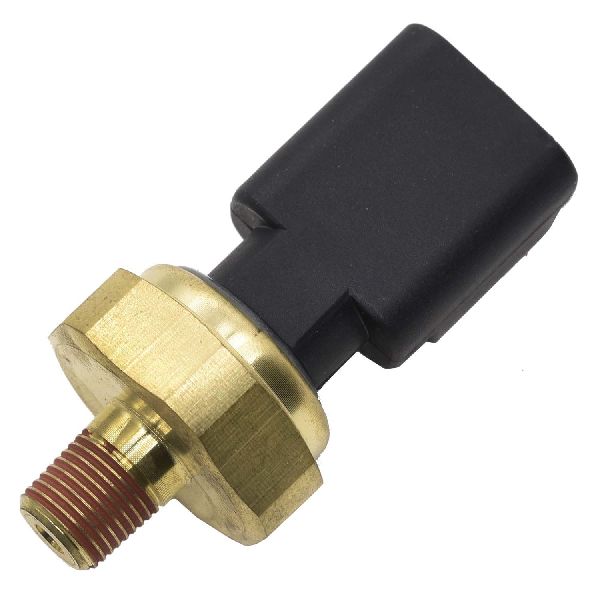
- Symptoms like a flickering oil light or a wild gauge are most often caused by a bad sensor, not low oil pressure.
- A Technical Service Bulletin (TSB 18-034-14) exists for the P0520 code on 2013-14 models, recommending sensor replacement.
- For HEMI engines, using a genuine Mopar sensor is highly recommended by owners to avoid premature failure.
- The sensor location differs between HEMI (passenger side, by oil filter) and Cummins (on oil filter housing) engines.
Is Your Oil Pressure Gauge Lying?
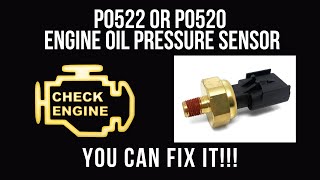
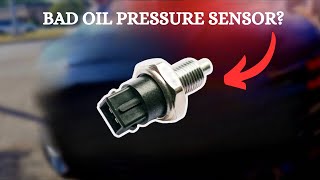
A failing engine oil pressure switch on a 2011-2018 Ram 3500 can cause significant worry. You might see the gauge drop to zero or swing wildly, or a persistent oil pressure warning light may appear on your dash. While these symptoms can indicate a serious lack of oil pressure, they are very often caused by a faulty sensor rather than an actual engine problem. 🎬 Watch: Learn the top symptoms of a bad oil pressure sensor. Ignoring the warning is risky, but replacing the sensor is often a straightforward and affordable fix.
Known Issue: TSB for P0520 Code
Chrysler released Technical Service Bulletin (TSB) 18-034-14 for some 2013-2014 Ram 2500 and 3500 trucks with the 5.7L or 6.4L engine. This TSB addresses the Malfunction Indicator Lamp (MIL) coming on with Diagnostic Trouble Code (DTC) P0520, which points to the oil pressure sensor circuit. The official repair is to replace the original sensor with a revised part. If your truck falls in this range and shows this code, a new sensor is the recommended fix.
🎬 See this walkthrough for replacing the sensor on a Hemi engine.Choosing the Right Aftermarket Switch
When it comes to sensors, quality matters. While many aftermarket options exist, owner feedback often suggests that some are more reliable than others for the Ram 3500.
- OEM (Mopar): Many Ram owners and mechanics strongly recommend using the genuine Mopar sensor, especially for HEMI engines. They are often considered the most reliable option, though they come at a higher price. If you want to fix it once and have peace of mind, Mopar is a solid choice.
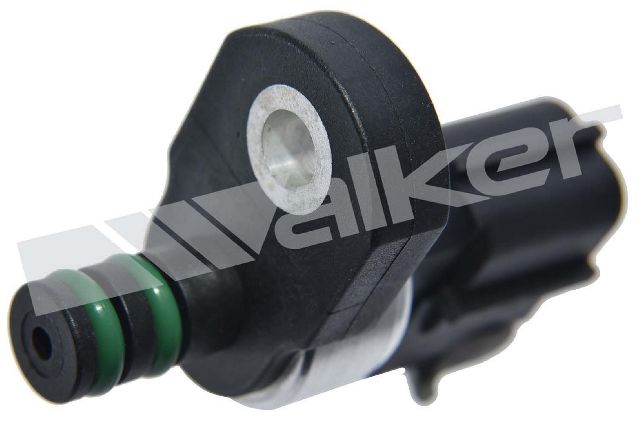
- Premium Aftermarket (e.g., Standard Ignition, Walker Products): Brands like Standard Ignition (SMP) and Walker Products are well-established in the aftermarket. They engineer their parts to meet or exceed original equipment (OE) specifications and perform extensive testing. These brands offer a good balance of quality and value, often with strong warranties.
- Standard Aftermarket (e.g., Crown Automotive, Global Parts, Holstein): These brands typically provide a more budget-friendly option. While Crown Automotive is a major supplier for Jeep parts, its reputation on Ram trucks is less documented. These parts can be a good choice for a quick fix on a budget, but their long-term durability may not match premium or OEM parts.
Pro Tip: Check the Connector
When replacing the sensor, inspect the electrical connector for oil contamination. A leaking sensor can sometimes wick oil up into the connector pins, causing a poor connection even with a new part. If the connector is full of oil, it should be cleaned carefully or replaced.
Cost of Replacing the Oil Pressure Switch
| Part Type | Estimated Cost |
|---|---|
| New Aftermarket Part | $22.45 - $90.01 |
| New OEM (Mopar) Part | $75 - $150 |
| Shop Labor | $100 - $200 |
Frequently Asked Questions
Where is the oil pressure switch on my 2011-2018 Ram 3500?
The location depends on your engine. For 5.7L and 6.4L HEMI engines, the sensor is located on the passenger side of the engine block, just above the oil filter. For 6.7L Cummins engines, it is typically found on the oil filter housing assembly. 🎬 Watch: Troubleshooting low oil pressure fault codes on a Cummins engine. Always visually confirm the location on your specific truck before starting work.
Can I replace the oil pressure switch myself?
Yes, this is a DIY-feasible job for someone with basic mechanical skills. The key is having the right tool—a special 1 1/16-inch deep socket designed for oil pressure sensors. Access can be tight, so a socket extension and a ratchet are necessary. It's often easiest to perform this job during an oil change.
What happens if I ignore a bad oil pressure switch?
You will be driving blind. You won't know if your engine has proper oil pressure or if it's experiencing a real issue that could lead to catastrophic failure. A sensor that leaks can also lead to significant oil loss over time. For the low cost of the part, it's not worth the risk.
Why does my gauge read high (or maxed out) even with the engine off?
This is a classic symptom of an internally failed sensor. The sensor has shorted out, sending a constant maximum reading to the gauge. This will almost always trigger a check engine light for a sensor circuit fault, such as P0520.
Helpful Videos

Technical Specifications
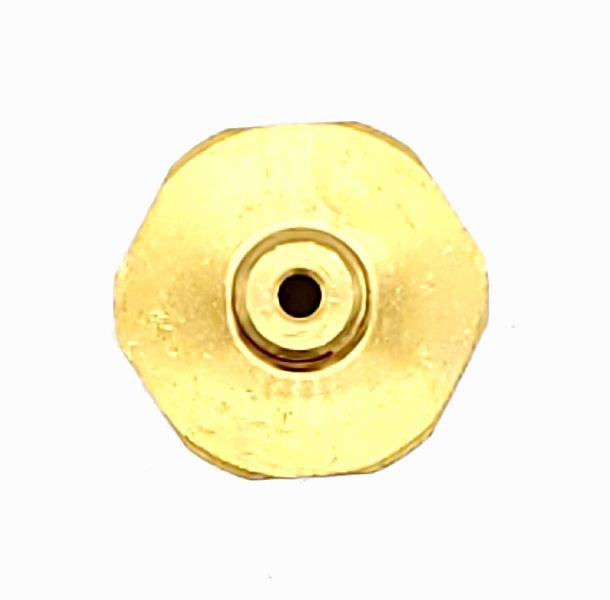
OEM Part Numbers: 4928594 68334877AA
Requires a 1-1/16" oil pressure switch socket for removal and installation. Check for TSB 18-034-14 on applicable 2013-2014 models.
We Have This Part in Stock


The information in this article is provided for general reference and educational purposes only. Vehicle specifications, procedures, and part compatibility can vary by production date, trim level, and region. Always consult your vehicle's factory service manual and verify part numbers before purchasing or performing repairs. Safety-critical components such as airbags, seat belts, and braking systems should be installed by a qualified professional.
- Ram 3500: