

A Guide to the Air/Fuel Ratio Sensor for the 2011-2018 Subaru Outback
Understanding when and why you need to replace your Outback's most important engine sensor.
- A failing Air/Fuel Ratio Sensor will trigger the Check Engine Light and cause poor gas mileage, rough idling, and hesitation.
- For the 2011-2018 Outback, Denso is the Original Equipment Manufacturer (OEM) for this sensor.
- To ensure a lasting repair, use a Denso or NGK branded aftermarket sensor; avoid cheap, unbranded parts.
- Replacement is possible for a DIYer with an O2 sensor socket, but the old sensor can be difficult to remove due to rust.
Is Your Outback's Engine Acting Up? It Could Be the A/F Sensor.

A failing Air/Fuel Ratio Sensor can cause noticeable problems with how your Subaru drives. Because this sensor directly controls the engine's fuel mixture, a bad signal can lead to poor performance and fuel economy. Ignoring the signs can sometimes lead to damage to other expensive parts, like the catalytic converter.
Common Symptoms of a Failing A/F Sensor:
- Check Engine Light: This is the most common sign. The sensor's heater circuit can fail, triggering codes like P0030, P0031, or P0032. 🎬 See how to fix these specific codes on 2010-2014 Outbacks. You might also see fuel mixture codes like P0171 (System Too Lean).
- Worse Gas Mileage: One of the first things you might notice is needing to fill up your gas tank more often. A bad sensor can cause the engine to use too much fuel.
- Rough Idle: Your Outback might shake, sputter, or idle unevenly when stopped. In some cases, the engine may even stall.
- Sluggish Acceleration: The car may feel slow, hesitate, or lack power when you press the gas pedal.
- Failed Emissions Test: A bad A/F sensor leads to higher pollution from your exhaust, which will cause you to fail a smog check.
Known Issues: Subaru Service Program WXW-80
While there is no official government recall for this part on 2011-2018 models, Subaru did issue a service program (WXW-80) for a front oxygen sensor element that could develop a crack and fail. This is not a safety recall, but it shows that Subaru is aware of potential issues with these sensors. Later Technical Service Bulletins also mention updated sensor designs with better coatings to prevent cracks.
Choosing the Right Aftermarket A/F Sensor: OEM vs. Aftermarket

Your Subaru's engine computer is sensitive and works best with high-quality sensor data. For this specific part, quality matters a lot.
- OEM (Original Equipment Manufacturer): The original sensor in your Outback was made by Denso. Buying a sensor from a Subaru dealer guarantees you get the right part, but it's often the most expensive option.
- Top-Tier Aftermarket (Denso & NGK): Buying a Denso-branded aftermarket sensor is the best choice for most owners. You get the exact same quality and performance as the OEM part without the dealership markup. NGK (also known as NTK for sensors) is another excellent Japanese brand that makes high-quality sensors and is a reliable alternative.
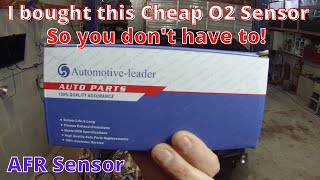
- Budget Aftermarket: It is strongly recommended to avoid cheap, unbranded sensors. Subaru owners and mechanics report that these parts often fail quickly or provide incorrect readings, leading to the same problems you were trying to fix.
Pro Tip: For this repair, stick with Denso. 🎬 Learn how to spot a fake Denso sensor before buying. Since they are the original manufacturer for Subaru, you are essentially getting an OEM part that will work correctly with your Outback's computer system.
Cost to Replace the Air/Fuel Ratio Sensor
The total cost depends on whether you do the job yourself or hire a mechanic. The sensor itself is the main expense.
| Part / Service | Estimated Cost |
|---|---|
| New Aftermarket Part (Denso, NGK) | $145 - $245 |
| New OEM Part (Subaru Dealer) | $145 - $285 |
| Shop Labor | $100 - $200 |
| Total Professional Replacement | $245 - $485 |
Frequently Asked Questions

Where is the A/F ratio sensor located?
The A/F ratio sensor is the "upstream" sensor, meaning it's located in the exhaust manifold before the catalytic converter. On the 2.5L engine, the electrical connector is easy to see at the top front of the engine, but the sensor itself must be accessed from underneath the car on the passenger side.
Can I replace this sensor myself?
Yes, this is a DIY-friendly job 🎬 Watch this step-by-step replacement guide for 2015-2019 models. if you have the right tools. You will need a special 22mm (or 7/8 inch) oxygen sensor socket that allows the wire to pass through. The biggest challenge is that the old sensor can be rusted in place. Soaking it with penetrating oil before trying to remove it is highly recommended.
Is an Air/Fuel Ratio Sensor the same as an Oxygen Sensor?
Yes and no. An A/F ratio sensor is a more advanced, wideband type of oxygen sensor. Your Outback has two sensors: the upstream A/F ratio sensor (also called Bank 1, Sensor 1) and a downstream oxygen sensor (Bank 1, Sensor 2) located after the catalytic converter. This guide is for the upstream A/F sensor, which is the one that fails most often and has the biggest impact on engine performance.
My mechanic replaced the sensor, but the check engine light came back. What now?
First, confirm a high-quality Denso or NGK sensor was used. If a cheap sensor was installed, it could be faulty. If the part is good, the issue could be something else that mimics a bad sensor, such as an exhaust leak, a dirty Mass Airflow (MAF) sensor, or a problem with the fuel injectors. A thorough diagnosis is needed instead of just replacing more parts.
Helpful Videos
Technical Specifications
OEM Part Numbers: 22641AA61A 22641AA51A 22641AA710 22641AA53A
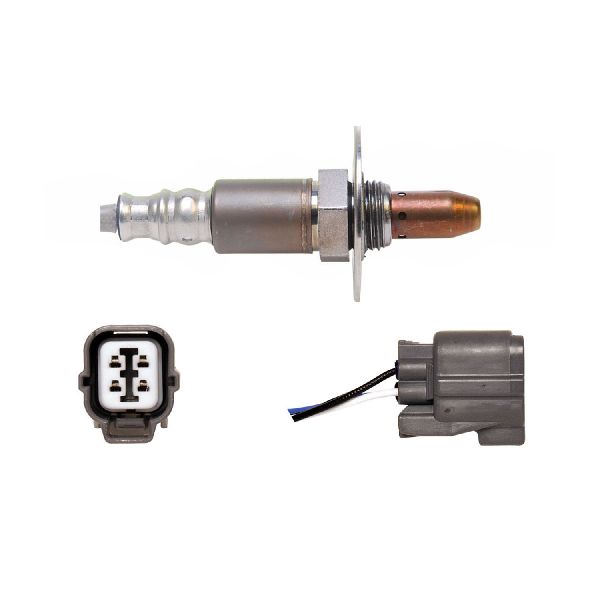
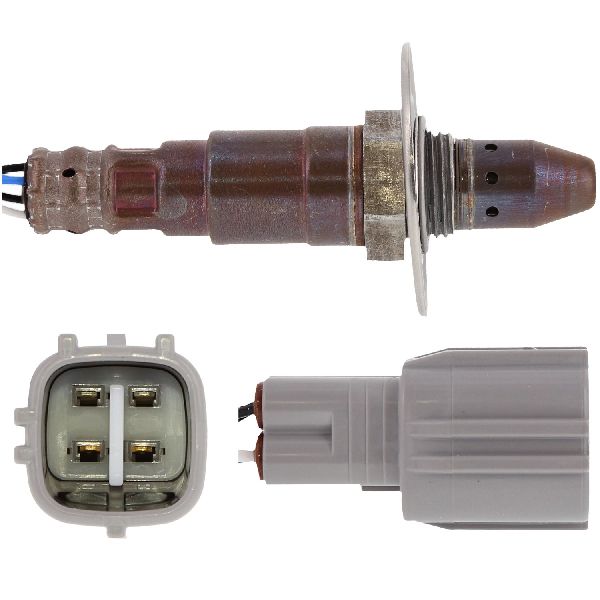
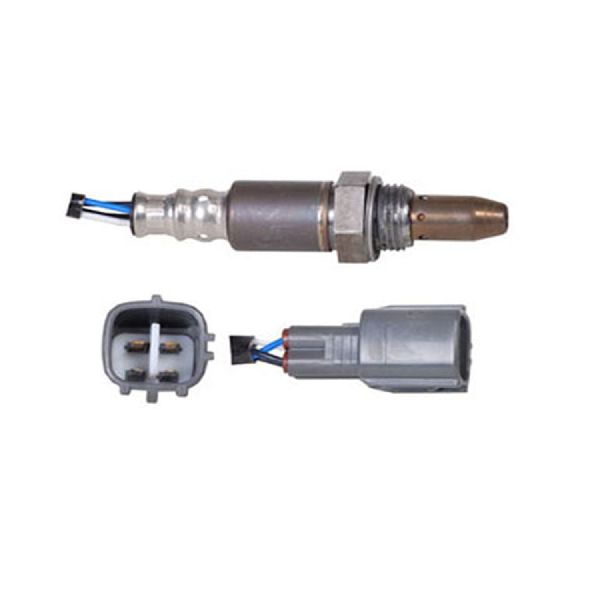
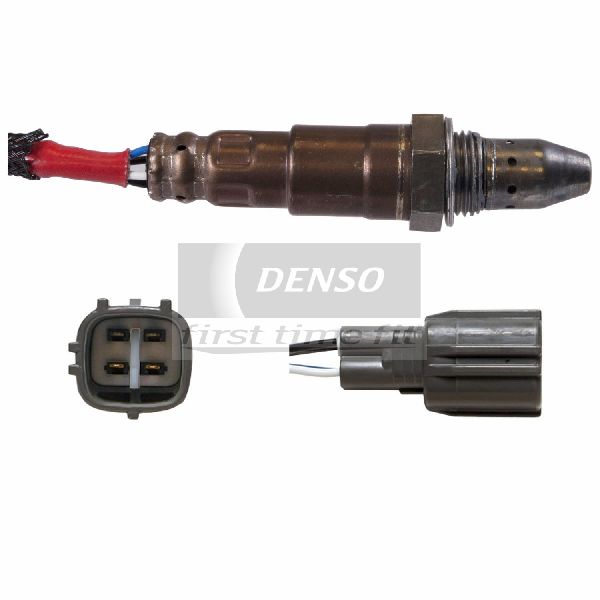
This is the upstream, wideband Air/Fuel Ratio Sensor, also referred to as Bank 1 Sensor 1. It is located in the exhaust manifold before the catalytic converter.
We Have This Part in Stock


The information in this article is provided for general reference and educational purposes only. Vehicle specifications, procedures, and part compatibility can vary by production date, trim level, and region. Always consult your vehicle's factory service manual and verify part numbers before purchasing or performing repairs. Safety-critical components such as airbags, seat belts, and braking systems should be installed by a qualified professional.
- Subaru Outback:
- 🎬 Helpful Videos
- 🛍️ Shop This Part
- Is Your Outback's Engine Acting Up? It Could Be the A/F Sensor.
- Common Symptoms of a Failing A/F Sensor:
- Known Issues: Subaru Service Program WXW-80
- Choosing the Right Aftermarket A/F Sensor: OEM vs. Aftermarket
- Cost to Replace the Air/Fuel Ratio Sensor
- Frequently Asked Questions
- 🎟️ Get 5% Off