

Audi A8 Quattro (2011-2019) Oxygen Sensor: A Complete Guide
Understanding the check engine light and choosing the right oxygen sensor to restore your A8's performance and efficiency.
- Always use a direct-fit oxygen sensor from an OEM-equivalent brand like Bosch to avoid compatibility issues.
- Check with an Audi dealer to see if your vehicle is covered by the Rear Oxygen Sensor Limited Warranty Extension (U42) before paying for repairs.
- Be aware that replacing two of the four sensors is a very difficult job due to poor access, which increases labor costs.
- A fault code for a downstream (post-cat) sensor can sometimes be caused by a failing upstream (pre-cat) sensor.
Is a Failing Oxygen Sensor a Serious Problem?
A bad oxygen sensor will trigger your check engine light and make your car run poorly. When the sensor fails, the engine's computer can't accurately measure the air-fuel mixture. It will default to a "rich" mixture, meaning too much fuel and not enough air. This leads to poor gas mileage, rough idling, and can eventually damage your expensive catalytic converters if not addressed.
Symptoms of a Bad Oxygen Sensor
- Check Engine Light: This is the most common sign. A code scanner will point to a specific sensor or circuit malfunction.
- Poor Fuel Economy: The engine runs on a rich fuel mixture, wasting gas.
- Rough Idle and Misfires: The incorrect air-fuel balance can cause the engine to run unevenly or misfire.
- Sluggish Performance: Your A8 may feel hesitant or slow to accelerate.
- Rotten Egg Smell: A strong sulfur smell from the exhaust indicates unburned fuel in the catalytic converter.
- Black Exhaust Smoke: This is a sign of excess fuel being burned.
- Failed Emissions Test: A bad O2 sensor is a common reason for failing an emissions inspection.
Known Issues for 2011-2019 Audi A8 Quattro
Audi has issued Technical Service Bulletins (TSBs) and a warranty extension related to oxygen sensors on these models.
- TSB 2044668/1: For 2013-2016 models with the 4.0L engine, this TSB addresses rear O2 sensor codes (P013E00, P014A00) that may appear on low-mileage vehicles. The bulletin advises against replacement if under 5,000 miles, as the issue may be temporary. If the mileage is higher, sensor replacement is the recommended fix.
- TSB 2054575/2: This bulletin notes that a lean code from a rear sensor (P209800) can be caused by contamination, requiring the sensor to be replaced.
- Rear Oxygen Sensor Limited Warranty Extension (U42): Audi extended the warranty for failed rear oxygen sensors on some vehicles to 10 years or 120,000 miles. It is critical to contact an Audi dealer with your Vehicle Identification Number (VIN) to see if your car is covered before paying for a repair.
Choosing the Right Aftermarket Oxygen Sensor
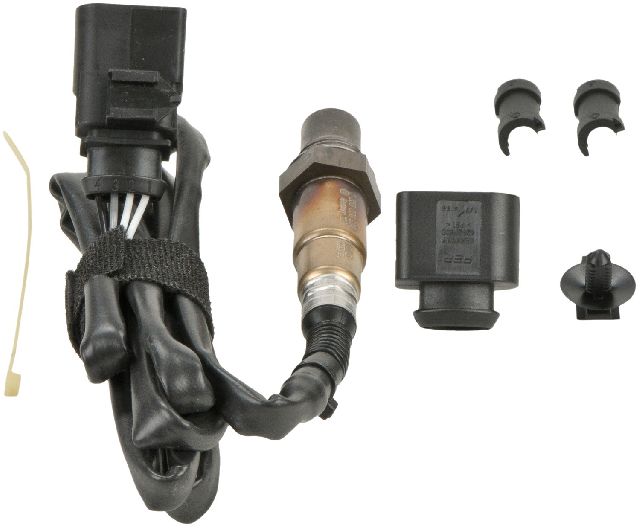
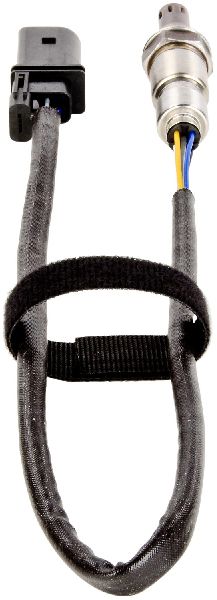
For a precision-engineered car like the Audi A8, the brand of sensor you choose matters significantly. Avoid generic, universal-fit sensors that require cutting and splicing wires. Always use a direct-fit sensor with the correct plug for your vehicle.
Tier 1: OEM-Equivalent Brands
These brands are known to be Original Equipment Suppliers (OES) for Audi and other German manufacturers. They provide the highest quality and compatibility.
- Bosch: Bosch is the confirmed original equipment supplier for the 2011-2019 Audi A8. Choosing a Bosch sensor is the safest way to ensure compatibility and performance identical to the factory part, often at a much lower price than the dealer part.
- NGK/NTK: A top-tier Japanese brand with a reputation for quality and longevity that rivals Bosch. They are a trusted OEM for many automakers.
- Denso: Another high-quality OEM supplier, primarily for Japanese vehicles, but their sensors are well-regarded and reliable.
Tier 2: Standard Aftermarket Brands
These brands offer a more budget-friendly option, but quality and longevity may not match the OEM-tier brands. For a sensitive system on an A8, using these brands can be a gamble.
- Delphi
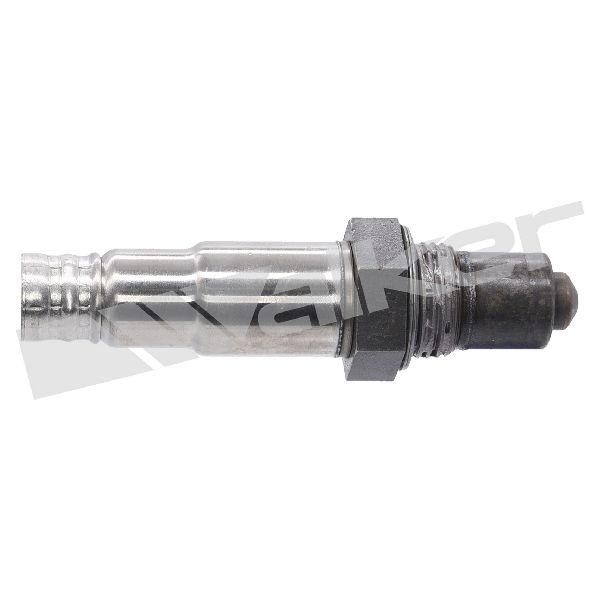
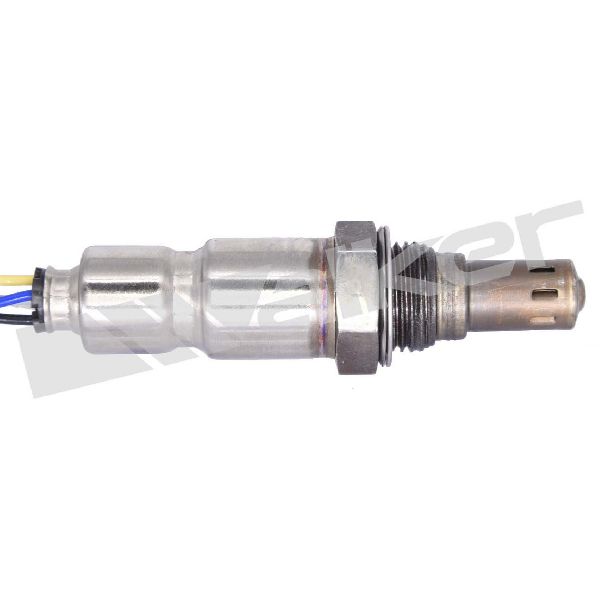
- Walker Products
- Spectra
- DriveWire
- Facet
Oxygen Sensor Replacement Cost
The cost to replace an oxygen sensor can vary widely based on which of the four sensors has failed. Two are relatively easy to access, while two are very difficult, significantly increasing labor time.
| Part Type | Cost Range |
|---|---|
| New OEM (Dealer) | $230 - $430 per sensor |
| New Aftermarket (OES Bosch) | $55 - $150 per sensor |
| New Aftermarket (Budget) | $31 - $90 per sensor |
| Shop Labor | $154 - $450+ |
Frequently Asked Questions
How many oxygen sensors does the 2011-2019 Audi A8 Quattro have?
All V6 and V8 engines in this generation have four oxygen sensors: two upstream (before the catalytic converter) and two downstream (after the catalytic converter).
Can I replace just one oxygen sensor?
Yes, you only need to replace the sensor that has failed. However, they tend to fail around the same time due to age and mileage. If one fails and your vehicle has high mileage, it's not uncommon for another to fail soon after.
Why is the replacement so difficult and expensive?
While the sensors themselves are not overly expensive (especially aftermarket OES parts), the labor can be intensive. On the 4.0T engine, the connectors for two of the sensors are easily reached in the engine bay. However, the connectors for the other two are buried deep in the chassis, requiring the removal of the wheel and wheel well liner to access them by feel. This complexity drives up labor costs at a shop.
Can I clean my old oxygen sensor?
Cleaning is not a reliable or recommended repair. Contaminants that cause a sensor to fail are often embedded deep within the sensor's ceramic element. Replacement is the only permanent solution.
Technical Specifications
OEM Part Numbers: 4H0906262H 4H0906262P 4H0906262N 06E906265AD
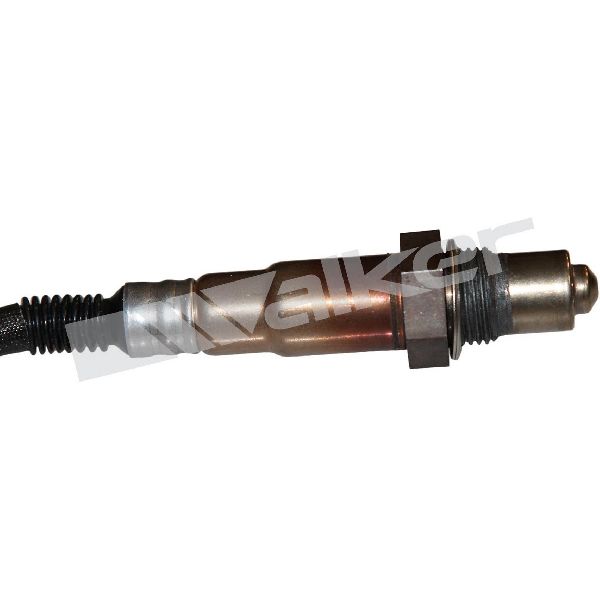
Your A8 Quattro uses four heated oxygen sensors. Upstream sensors are wide-band (5-wire) and downstream sensors are typically narrow-band (4-wire). Always verify the correct part for the specific position (Bank 1 Sensor 1, Bank 1 Sensor 2, etc.) before purchasing.
We Have This Part in Stock


The information in this article is provided for general reference and educational purposes only. Vehicle specifications, procedures, and part compatibility can vary by production date, trim level, and region. Always consult your vehicle's factory service manual and verify part numbers before purchasing or performing repairs. Safety-critical components such as airbags, seat belts, and braking systems should be installed by a qualified professional.
- Audi A8 Quattro:
- 🛍️ Shop This Part
- Is a Failing Oxygen Sensor a Serious Problem?
- Symptoms of a Bad Oxygen Sensor
- Known Issues for 2011-2019 Audi A8 Quattro
- Choosing the Right Aftermarket Oxygen Sensor
- Tier 1: OEM-Equivalent Brands
- Tier 2: Standard Aftermarket Brands
- Oxygen Sensor Replacement Cost
- Frequently Asked Questions
- 🎟️ Get 5% Off