

A Guide to Replacing the Catalytic Converter on a 2011-2019 Chevrolet Cruze
If your Cruze has a P0420 code, reduced power, or a rattling exhaust, this guide explains your options for getting it fixed right.
- Before buying any parts for a P0420 code, call a GM dealer with your VIN to check for free software updates or recalls.
- Always diagnose and fix the root cause of failure (e.g., oil leaks, misfires) before installing a new converter, or it will also fail.
- Invest in a quality aftermarket brand like MagnaFlow or Walker to avoid a recurring check engine light; cheap converters often don't work on the Cruze.
- If you live in a CARB state (CA, CO, NY, ME), you must buy a more expensive CARB-compliant converter to be street legal.
Is Your Catalytic Converter Failing?

A failing catalytic converter on a Chevy Cruze will give you clear warning signs. Ignoring them can lead to more serious engine problems from excess exhaust backpressure or, in rare cases, fire hazards from overheating.
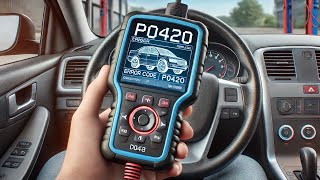
- Check Engine Light: The most common sign is the check engine light with code P0420, which means "Catalyst System Efficiency Below Threshold."
- Reduced Engine Power: You may notice your car feels sluggish, hesitates when you accelerate, or won't rev high. This is often caused by a clogged converter choking the engine.
- Rattling Noise: A rattling or metallic clanking sound from under the car, especially on startup, usually means the ceramic honeycomb inside the converter has broken apart.
- Rotten Egg Smell: A strong sulfur or rotten egg smell from the exhaust indicates the converter isn't processing gases correctly.
- Failed Emissions Test: A bad converter is an automatic failure for any state-mandated emissions inspection.
STOP! Before You Buy a New Converter, Check for Recalls & TSBs
General Motors has issued recalls and technical service bulletins (TSBs) for catalytic converter issues on the Cruze. A trip to the dealer for a free software update could fix your problem without needing a new part.
- Recall #16186 (1.8L Engine): Certain 2013-2014 Cruze models with the 1.8L engine are under a voluntary emissions recall. High exhaust temperatures can crack the converter's internal structure. A GM dealer will reprogram the Engine Control Module (ECM) for free to prevent this.
- TSBs for P0420 Code (1.4L Engine): Bulletins like 18-NA-331 and 16-NA-011 address false P0420 codes caused by software glitches. The fix is an updated ECM calibration from the dealer.
Action: If your Cruze has a P0420 code, call a GM dealership with your VIN. Ask them to check for open recalls or applicable TSBs related to the catalytic converter or ECM software before you spend any money on parts.
Find the Root Cause of Failure

Catalytic converters rarely fail on their own. They are usually destroyed by another problem upstream. If you don't fix the original issue, your new converter will fail quickly. For the 1.4L Turbo Cruze, the most common root causes are:
- Oil Leaks: A bad PCV valve in the valve cover or failing turbocharger seals can leak oil into the exhaust, contaminating and clogging the converter.
- Engine Misfires: Faulty spark plugs or ignition coils can send unburned fuel into the exhaust, where it ignites and melts the converter's internal structure.
- Coolant Leaks: A bad head gasket can allow coolant to enter the exhaust, poisoning the catalyst materials.
Choosing the Right Aftermarket Converter

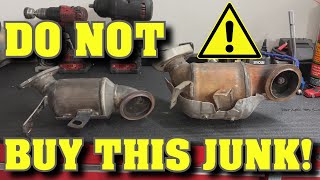
When buying an aftermarket converter, quality directly impacts whether your check engine light will stay off. Cheaper converters often contain fewer precious metals and can't satisfy the Cruze's sensitive emissions monitoring system.
Brand Quality Tiers
Tier 1: Premium Aftermarket (MagnaFlow, Walker Exhaust)
These brands are well-regarded for their build quality, proper fit, and higher catalyst loading. They are designed to meet OEM specifications and are your best bet for a long-term repair without a recurring P0420 code. MagnaFlow often focuses on performance flow, while Walker is known for reliable OEM-style replacements.
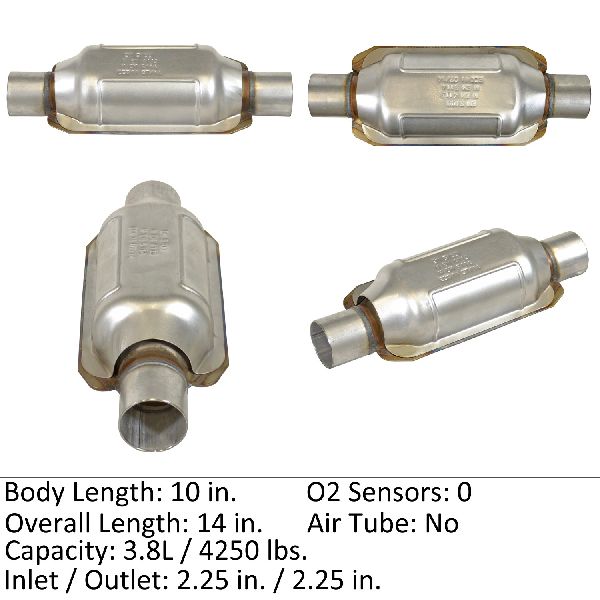
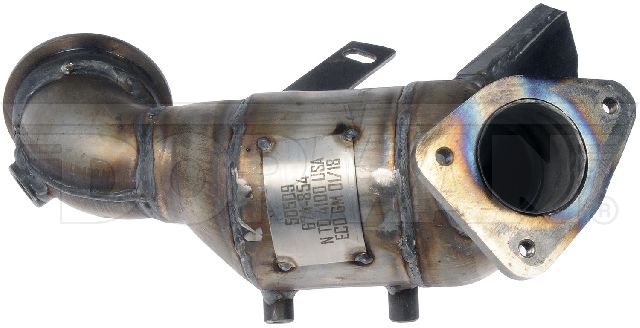
Tier 2: Standard Aftermarket (Dorman, Eastern Catalytic, AP Exhaust)
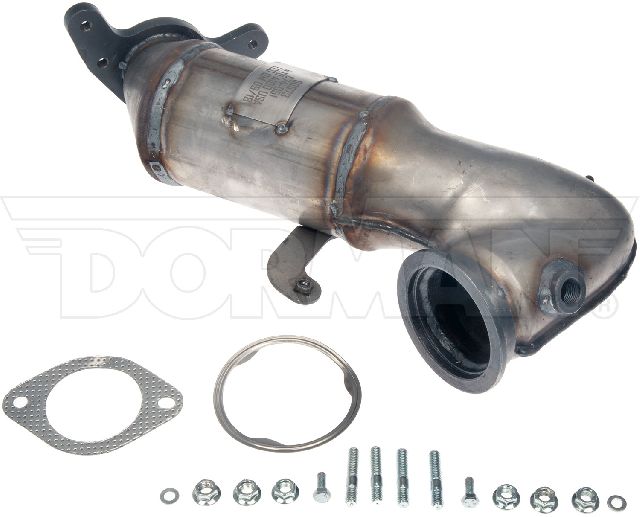
These brands offer a balance of affordability and function. They are a significant step up from no-name online parts. However, be aware that for a sensitive vehicle like the Cruze, there is still a risk of the check engine light returning. Dorman is known for providing solutions that often include necessary hardware for installation.
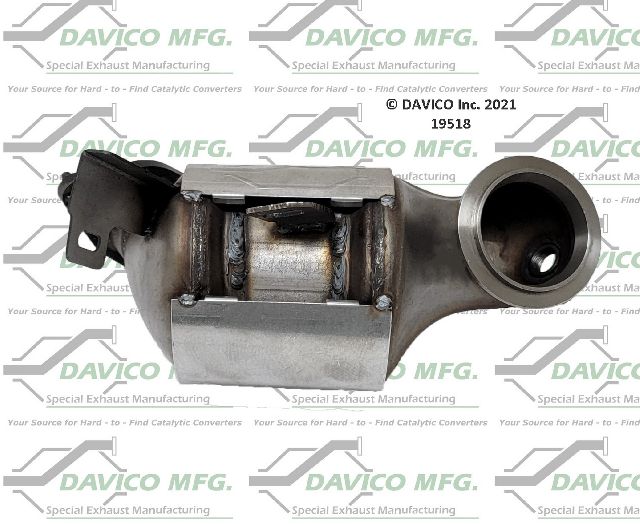
Tier 3: Economy Aftermarket (Davico, Evan Fischer, unbranded parts)
While the low price is tempting, budget-friendly brands have a reputation for issues. Forum users have reported problems with Davico converters including poor fitment, bad welds, and very short service life before the P0420 code returns. These parts are best avoided unless the vehicle is nearing the end of its life and you just need to pass a single emissions test.
What is a CARB-Compliant Converter?
If you live in California, Colorado, New York, Maine, or another state that has adopted CARB (California Air Resources Board) emissions standards, you MUST install a CARB-compliant catalytic converter. These parts are more expensive because they undergo stricter testing and have a higher loading of precious metals to meet the tightest regulations. Installing a non-CARB (Federal/EPA) converter in these states is illegal and will result in a failed inspection.
| Part / Service | Estimated Cost |
|---|---|
| New OEM Converter | $900 - $1,200 |
| New Aftermarket Converter | $150 - $1,100+ (Varies by brand and CARB compliance) |
| Shop Labor | $200 - $400 |
Frequently Asked Questions
Why is my check engine light on after installing a new converter?
This is a common problem, especially with cheaper aftermarket parts. The two main reasons are: 1) The new converter doesn't have enough precious metals to work as efficiently as the original, and the Cruze's computer detects this, triggering a P0420 code. 2) The root cause of the original failure (like an oil leak or misfire) was not repaired, and it has already damaged the new converter.
Do I need to replace my oxygen (O2) sensors with the converter?
It is highly recommended. O2 sensors play a key role in monitoring the converter's efficiency. An old, slow-reacting sensor can cause diagnostic confusion or fail shortly after the repair. Replacing the upstream and downstream O2 sensors at the same time as the converter ensures the entire system is working correctly.
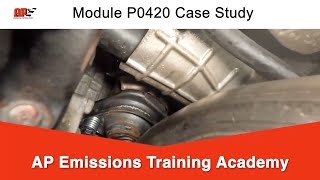
🎬 See how O2 sensors can trigger a false P0420 code.Can I install the converter myself?
Yes, if you have moderate mechanical skill and the right tools. The converter on the Cruze is often part of the exhaust manifold in the engine bay, not under the car. You will need tools like an O2 sensor socket, E-Torx sockets for manifold bolts, a torque wrench, and potentially rust penetrant for stubborn bolts. The job typically takes 2-3 hours.
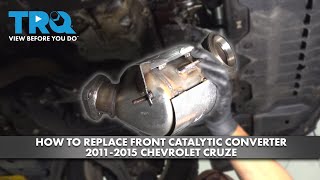
🎬 Watch this step-by-step guide to replacing your front catalytic converter.Is a used OEM converter a good option?
It can be, but it's a gamble. A used OEM converter from a low-mileage vehicle may perform better than a new, cheap aftermarket one. However, you must inspect it carefully. If you shake it and hear rattling, the inside is broken and it's worthless. There is also no guarantee of its remaining lifespan.
Helpful Videos
Technical Specifications
OEM Part Numbers: 19420244 22867460
For many 2011-2019 Cruze models, the primary catalytic converter is integrated with the exhaust manifold. The 1.4L Turbo and 1.8L non-turbo engines use different parts. Ensure you select the correct part for your specific engine and emissions compliance (Federal EPA vs. CARB).
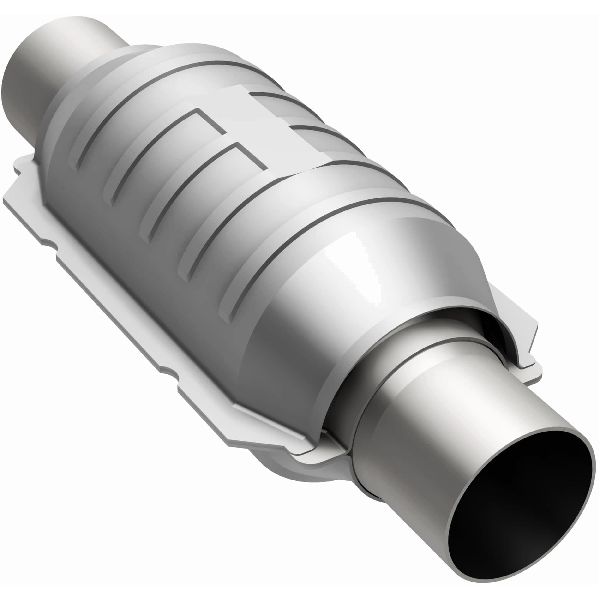
We Have This Part in Stock


The information in this article is provided for general reference and educational purposes only. Vehicle specifications, procedures, and part compatibility can vary by production date, trim level, and region. Always consult your vehicle's factory service manual and verify part numbers before purchasing or performing repairs. Safety-critical components such as airbags, seat belts, and braking systems should be installed by a qualified professional.
- Chevrolet Cruze:
- 🎬 Helpful Videos
- 🛍️ Shop This Part
- Is Your Catalytic Converter Failing?
- STOP! Before You Buy a New Converter, Check for Recalls & TSBs
- Find the Root Cause of Failure
- Choosing the Right Aftermarket Converter
- Brand Quality Tiers
- What is a CARB-Compliant Converter?
- Frequently Asked Questions
- 🎟️ Get 5% Off