

Chevrolet Volt A/C System O-Ring and Gasket Kit Guide (2011-2019)
Losing cold air in your Volt? The problem might be small seals causing a big headache.
- A leaking A/C system in a Volt is critical to repair because it also cools the high-voltage battery.
- Professional service is required due to the need for special tools to handle refrigerant safely and legally.
- Always use a new, complete kit of HNBR o-rings; do not reuse old seals or use stop-leak products.
- Ensure only pure refrigerant and the correct non-conductive POE oil are used to avoid damaging the expensive electric compressor.
Is Your Volt's A/C Blowing Warm Air?
If your Chevrolet Volt's air conditioning isn't as cold as it used to be, or if it's blowing warm air completely, you likely have a refrigerant leak. In the Volt's A/C system, which is essential for both your comfort and cooling the battery pack, these leaks often come from old, brittle o-rings. These small rubber seals are located at every connection point in the A/C system. Over time, they can dry out, crack, and fail, allowing refrigerant and special compressor oil to escape.
Symptoms of a Failing A/C O-Ring
- Weak or No Cold Air: This is the most obvious sign. As refrigerant leaks out, the system can't create cold air effectively.
- Visible Green or Yellowish Oil: A/C systems contain a fluorescent dye mixed with the oil to help find leaks. If you see a bright green, oily substance on the ground under your car or around A/C line connections, you have a leak.
- Check Engine Light: A low refrigerant charge can sometimes trigger a check engine light with a specific error code (like P0534) in the Volt.
- Hissing Sounds: A hissing noise from the engine bay, even when the car is off, can indicate refrigerant gas escaping from a failed seal.
A Note on Refrigerant and Oil
The Chevrolet Volt has a unique A/C system. While it uses standard refrigerant (R-134a for 2011-2018 models, and some 2019s; R-1234yf for some 2019 models), it requires a special, non-conductive POE oil. Using the wrong oil or a refrigerant can with added oil can damage the electric A/C compressor, a very expensive part to replace. Always use pure refrigerant and the correct type of oil.
Choosing the Right Aftermarket O-Ring Kit
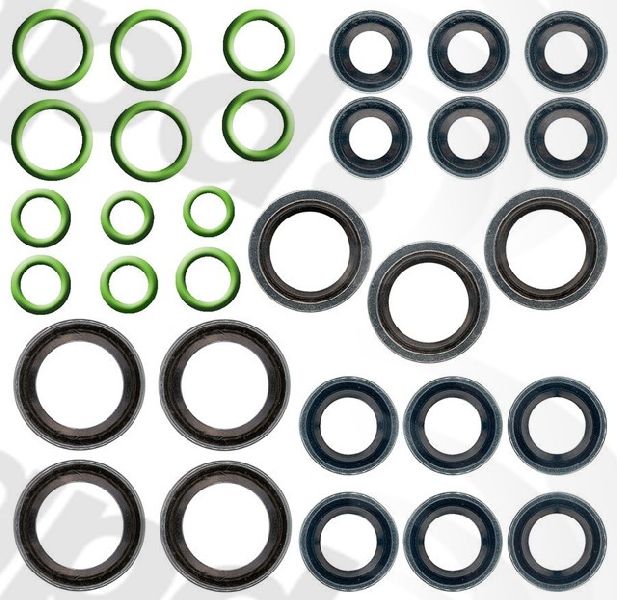
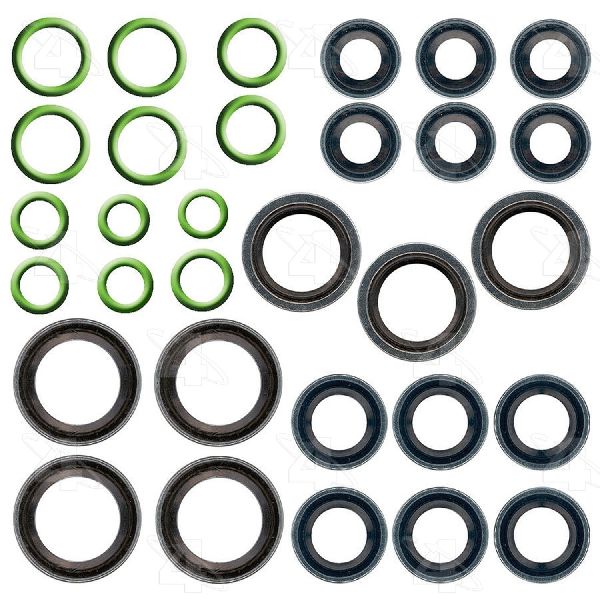
When replacing o-rings, it's best to replace all of them at once, especially if you are opening the system to replace a major component like the compressor or condenser. Aftermarket kits are an affordable and reliable option. The most important factor is the material. Ensure the kit you choose uses HNBR (Hydrogenated Nitrile Butadiene Rubber) o-rings. This material is designed to withstand the high temperatures and pressures of modern A/C systems and is compatible with both R-134a and R-1234yf refrigerants.
Both Four Seasons and Global Parts (GPD) are common aftermarket brands. Four Seasons is a well-known brand in the A/C parts world and is generally considered a reliable choice for components like o-rings. Some users have reported positive experiences with their parts lasting a long time. GPD is another option, though some user reviews suggest potential issues with the longevity of their components compared to Four Seasons. For a part as critical and labor-intensive to access as A/C seals, choosing a reputable brand like Four Seasons is a wise investment.
Pro Tip: When installing new o-rings, always lubricate them with a small amount of the correct A/C compressor oil (the special POE oil for the Volt). This prevents the o-ring from tearing or pinching during installation, which would cause an immediate leak.
Cost of Replacing A/C O-Rings on a Chevy Volt
| Part/Service | Estimated Cost |
|---|---|
| New Aftermarket O-Ring & Gasket Kit | $24 - $28 |
| Shop Labor (Evacuate, Replace Seals, Recharge) | $190 - $400+ |
| Total Estimated Cost | $214 - $428+ |
Note: Costs are estimates and can vary based on your location and the specific shop. This does not include the cost of replacing other failed components like a compressor or condenser.
Frequently Asked Questions
Can I replace the o-rings myself?
This is not recommended for most DIY mechanics. Replacing A/C o-rings requires specialized equipment, including a refrigerant recovery machine, a vacuum pump, and manifold gauges. Releasing refrigerant into the atmosphere is illegal and harmful to the environment. An improper repair can lead to more expensive damage. The physical replacement of the rings is simple, but the process of safely handling the refrigerant is not.
Is an A/C leak in my Volt dangerous?
The refrigerant itself is not typically dangerous in small amounts in an open area. However, because the Volt's A/C system also cools the high-voltage battery, a non-functional A/C system can lead to battery performance issues or even cause the car to shut down to protect the battery. It's important to get A/C leaks fixed promptly.
Should I use a stop-leak product?
No. A/C stop-leak products are not recommended for the Chevrolet Volt. These products can clog the small passages in the A/C system, including the expansion valve and the electric compressor, leading to much more expensive repairs. The only correct way to fix a leak is to replace the failed seal or component.
Are there any recalls for my Volt's A/C seals?
There are no specific recalls for the A/C o-rings on the 2011-2019 Chevrolet Volt. However, there was a recall (N192273600) for 2016-2019 models where an emissions pipe could rub against an A/C hose, potentially causing a chafe and a leak, though this was for the emissions system, not the A/C refrigerant. There are also several Technical Service Bulletins (TSBs) related to A/C performance and leaks from other components like the condenser or compressor.
Technical Specifications
Kit must contain HNBR (Hydrogenated Nitrile Butadiene Rubber) o-rings. Compatible with R-134a and R-1234yf refrigerants and specialized POE compressor oil.
We Have This Part in Stock

The information in this article is provided for general reference and educational purposes only. Vehicle specifications, procedures, and part compatibility can vary by production date, trim level, and region. Always consult your vehicle's factory service manual and verify part numbers before purchasing or performing repairs. Safety-critical components such as airbags, seat belts, and braking systems should be installed by a qualified professional.
- Chevrolet Volt: