

Choosing the Right Aftermarket Brake Pads for Your 2011-2019 Chevrolet Volt
Because of its unique regenerative braking system, your Volt has special brake pad needs.
- Due to regenerative braking, Volt brake pads suffer from rust and seizing, not typical wear.
- Choose aftermarket pads with good anti-corrosion coatings, like Raybestos Element3 or Powerstop Evolution.
- Regularly inspect and lubricate caliper slide pins to prevent uneven wear, especially on the rear brakes.
- For 2016-2019 models, you must put the electronic parking brake in 'Service Mode' before replacing rear pads.
Understanding Brake Pads on Your Volt

The Chevrolet Volt is different from a regular gas car. Its main way of slowing down is through regenerative braking, which uses the electric motor. This means the traditional disc brake pads are used far less often. While this makes them last a long time, it can also cause unique problems. The biggest enemies of your Volt's brakes aren't wear and tear, but rust and corrosion from lack of use. This is especially true for the rear brakes, which can sometimes seize or wear unevenly if the caliper slide pins aren't properly lubricated.
Known Issues: Rust and Seized Components
Because the hydraulic brakes are used so little, moisture can cause rust to build up on the rotors and pads. Caliper slide pins can also get stuck, causing a pad to drag on the rotor, leading to premature and uneven wear. Some owners report rear pads wearing out much faster than the fronts due to this issue. Regular inspection and lubrication of the slide pins during tire rotations can help prevent this.
Symptoms of Failing Brake Pads

- Squealing or Screeching Noises: This is often the first sign. A small metal tab called a wear indicator is built into the brake pad and makes noise when the pad is thin.
- Grinding Sounds: A loud, harsh grinding noise means the brake pad material is completely gone. The metal backing plate is now grinding against the rotor, causing serious damage. Stop driving immediately if you hear this.
- Vibration or Pulsing: If you feel a pulsing in the brake pedal or steering wheel when you brake, it could mean your brake rotors are warped. This can happen when seized caliper pins cause overheating.
- Reduced Stopping Power: If your car takes longer to stop than it used to, your brake pads may be worn out or your brake fluid could be low or contaminated.
Choosing the Right Aftermarket Brake Pads

When shopping for new brake pads, you don't need high-performance racing pads. For the Volt, the best pads are ones that resist rust and come with high-quality hardware. Look for pads with protective coatings and new, lubricated slide pins and clips.
| Brand Tier | Description & Recommended Brands | Price Range (Per Axle Set) |
|---|---|---|
| Economy | Basic, no-frills pads that meet minimum requirements. Good for those on a tight budget, but may not have the best coatings or hardware. Brands include Dynamic Friction, Pronto, and Total Stopping Solutions. | $34 - $50 |
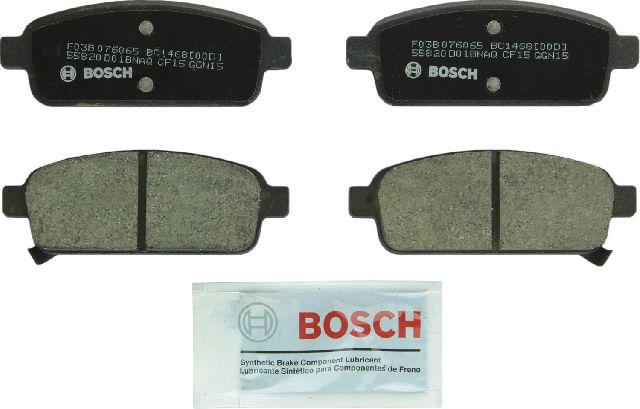
| OEM-Equivalent | This is the sweet spot for most Volt owners. These pads offer quality and durability similar to the original factory parts, often with better anti-corrosion coatings. Look for brands like ACDelco (Professional/Gold), Bosch QuietCast, Raybestos Element3, and Wagner OEX. Many owners recommend Raybestos Element3 for its good coating. | $50 - $80 |
| Premium / Performance | These pads offer enhanced stopping power and fade resistance, which is mostly unnecessary for the Volt's braking style. However, they often come with the best coatings (like Geomet) and hardware. Brands include Powerstop Evolution, Brembo, and EBC Brakes. Powerstop kits are popular for including coated rotors. | $80 - $99+ |
A Note on Rotors and Hardware
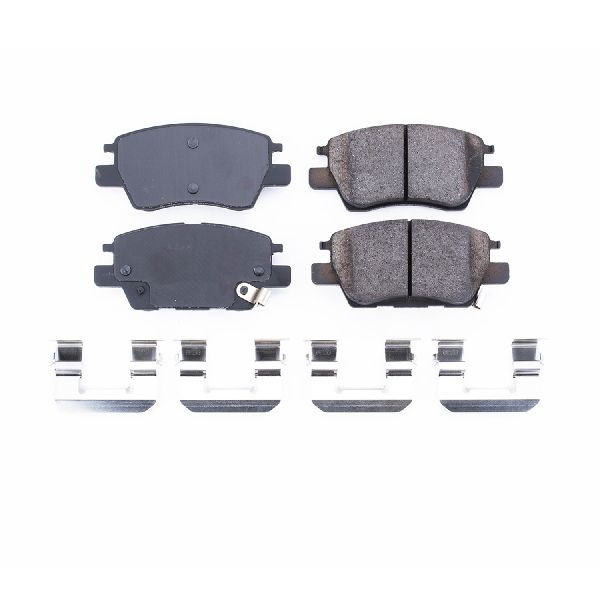
When you replace your pads, it's a good idea to also replace the rotors, especially if they are rusty or show signs of uneven wear. Always use the new hardware (clips and boots) that comes with a quality pad set. Clean and lubricate the caliper slide pins with a high-temperature silicone-based grease to prevent them from seizing.
Frequently Asked Questions (FAQ)

Why did my original brake pads last over 100,000 miles?
The Volt's regenerative braking system does most of the work slowing the car down. This means the physical brake pads are used much less than in a non-hybrid car, so they wear down incredibly slowly.
Do I need special tools to change my Volt's brake pads?
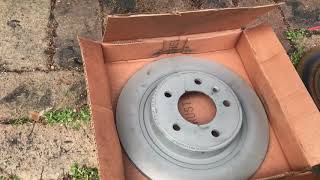
For the most part, the tools are standard for any brake job. However, the rear calipers require a special tool to rotate and compress the piston. 🎬 See how to replace the rear rotors and brake pads. While some DIYers use needle-nose pliers, the proper tool makes the job easier and prevents damage. For second-generation Volts (2016-2019) with an electronic parking brake (EPB), you must put the system into 'Service Mode' before starting the rear brake job to avoid damage and warning lights.
Are there any recalls I should know about?
Yes. Some 2018-2019 Volts were recalled because the rear brake caliper pistons might have had an insufficient coating, which could reduce 🎬 Watch this guide on diagnosing and repairing leaking rear brakes. braking performance. The fix was for dealers to bleed the brake system. Additionally, some 2012 Volts were recalled for a brake pressure modulator valve issue that could cause the front brakes to lock up.
Should I choose ceramic or semi-metallic pads?
For the Volt, ceramic pads are the best choice. They are quiet, produce less dust, and are more than adequate for the Volt's braking needs. Many premium aftermarket options, like those from Powerstop, are ceramic. They provide excellent performance for the kind of driving a Volt does.
Helpful Videos
Technical Specifications
OEM Part Numbers: 22904136 23433073 84529133 22904143
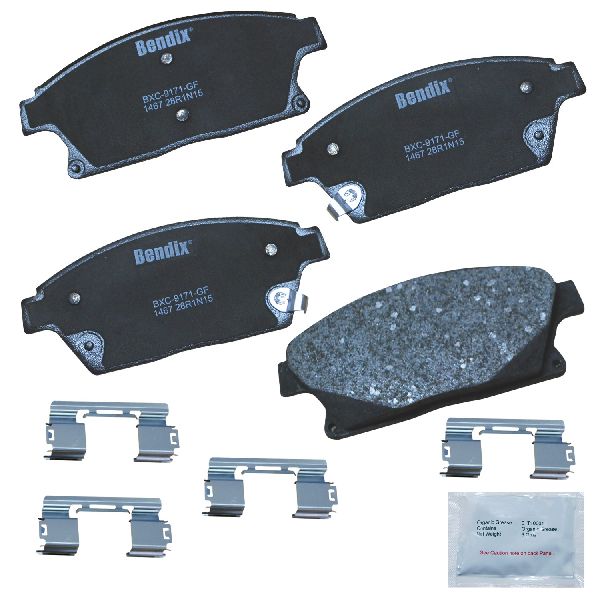
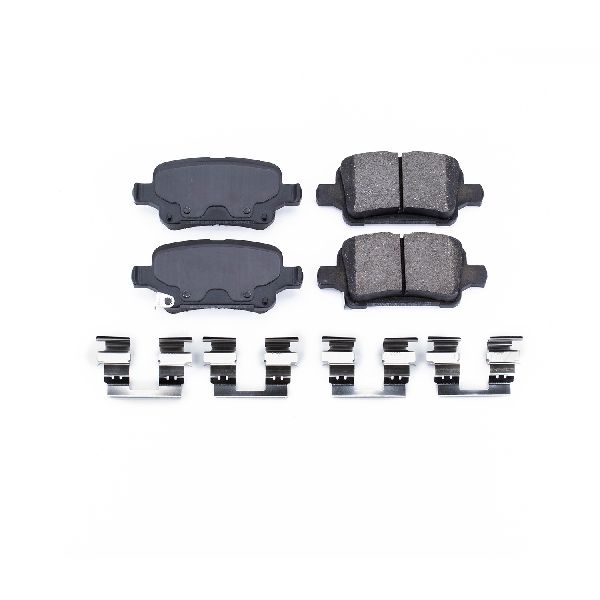
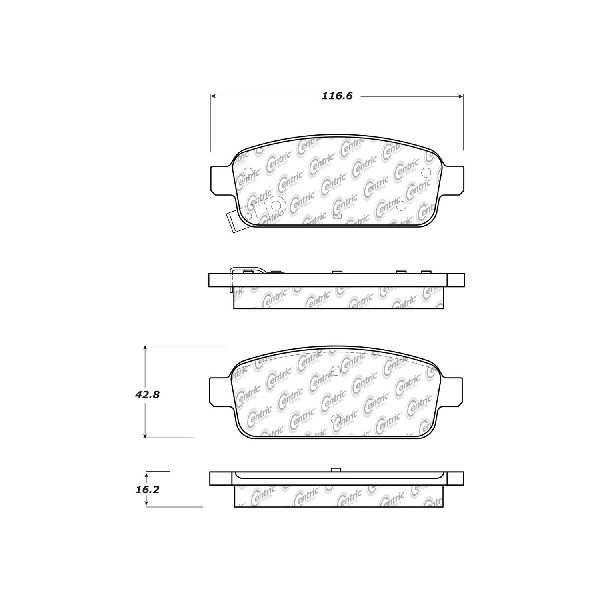
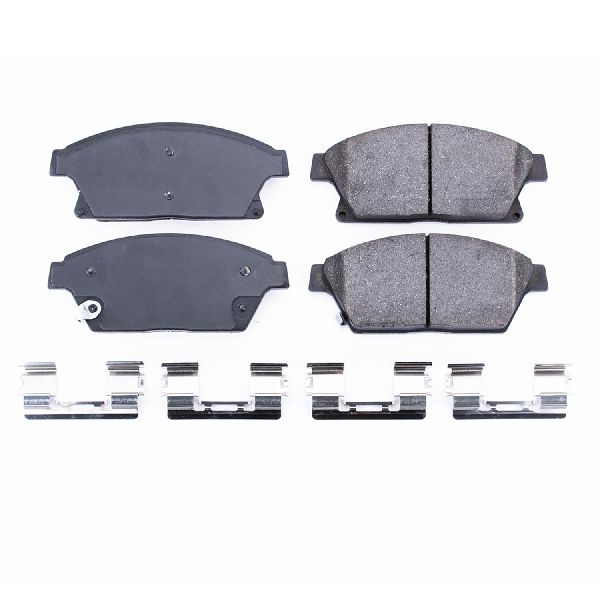
The Chevrolet Volt uses a hydraulic disc brake system on all four wheels. The front and rear pads have different shapes and are not interchangeable. The rear calipers on Gen 2 models (2016-2019) feature an integrated electronic parking brake.
We Have This Part in Stock

The information in this article is provided for general reference and educational purposes only. Vehicle specifications, procedures, and part compatibility can vary by production date, trim level, and region. Always consult your vehicle's factory service manual and verify part numbers before purchasing or performing repairs. Safety-critical components such as airbags, seat belts, and braking systems should be installed by a qualified professional.
- Chevrolet Volt: