

Chevrolet Volt Engine Coolant Temperature Sensor Guide (2011-2019)
Is your Volt showing an 'A/C Off' message or a Check Engine Light? Your Engine Coolant Temperature Sensor might be the cause.
- The main symptom of a bad ENGINE coolant sensor is an "A/C Off Due to High Engine Temp" message.
- Do not confuse the engine sensor with the BATTERY coolant level sensor, which causes a "Service High Voltage" error.
- Replacement is simple and low-cost. Sticking with OEM (ACDelco) or a premium aftermarket brand like Standard Motor Products or NGK is recommended.
- Always use pre-mixed Dex-Cool coolant specified for GM vehicles when topping off the system after the repair.
Symptoms of a Failing Engine Coolant Temperature Sensor

A bad Engine Coolant Temperature (ECT) sensor on your Volt will usually give you clear warning signs. Unlike other cars, a primary symptom on the Volt is the climate control system shutting down to protect the engine.
- "A/C Off Due to High Engine Temperature" Message: This is the most common and specific symptom for a failed ECT sensor on a Chevrolet Volt. The car's computer receives a faulty signal, thinks the engine is overheating, and shuts down the A/C to reduce engine load, even if the engine is cold.
- Check Engine Light: A failing ECT sensor will trigger a Check Engine Light. A common trouble code associated with this is P0118 (Engine Coolant Temperature Sensor Circuit High Input).
- Poor Fuel Economy: If the sensor fails in a way that makes the computer think the engine is always cold, it will run a rich fuel mixture, wasting gas.
- Inaccurate Temperature Gauge: The temperature gauge on your dashboard may behave erratically, showing it's maxed out hot when the engine is cold, or not moving at all.
- Engine Performance Issues: You might notice a rough idle or hesitation as the engine's computer struggles with incorrect temperature data.
A Note on the *Battery* Coolant Sensor
The Chevy Volt has a separate, well-known issue with its battery coolant *level* sensor. This is a different part from the engine coolant temperature sensor. A bad battery coolant level sensor will not cause the "A/C Off" message. Instead, it triggers a "Service High Voltage Charging System" error and may prevent your Volt from charging. This issue is covered by GM Technical Service Bulletin PI-1120A. Be sure to diagnose your symptoms correctly to buy the right part.
Choosing the Right Aftermarket Sensor

When buying a replacement ECT sensor, quality matters. While saving money is tempting, a cheap, inaccurate sensor can cause more problems. Here’s a breakdown of the available brands.
Tier 1: OEM & Premium Aftermarket
These brands are known for quality control and are either the original supplier or have a strong reputation for meeting or exceeding OEM standards. For a critical sensor, sticking to this tier is highly recommended.
- ACDelco: As the original equipment (OE) supplier for GM, this is the safest choice for fit and function. While most ACDelco parts are excellent, some users on forums have noted that even new sensors can sometimes read slightly inaccurately.
- NGK / NTK: A top-tier manufacturer of sensors for many car brands. They are known for precision and reliability.
- Standard Motor Products (SMP): A highly respected aftermarket brand that often engineers parts to be as good as or better than the original.
- Hella: A major German OEM supplier known for high-quality electronics.
Tier 2: Standard Aftermarket
These brands are established aftermarket producers that offer a good balance of quality and price. They are generally reliable for most repairs.
- Walker Products
- Four Seasons
- Holstein
- Motorad
Tier 3: Economy Brands
These brands focus on being the lowest-cost option. While they may work, they have a higher risk of poor accuracy, incorrect fitment, or a shorter lifespan. Use with caution.
- URO Parts: Forum discussions for other car brands often warn about fitment and quality issues with URO sensors and electronic components.
- True Tech
- Facet / Vemo
Cost of Replacing a Chevrolet Volt ECT Sensor

The cost to replace the engine coolant temperature sensor is very reasonable, especially if you do it yourself. The part itself is inexpensive, and labor is minimal.
| Part Type | Part Cost | Shop Labor Cost | Total Estimated Cost |
|---|---|---|---|
| New OEM (ACDelco) | $20 - $45 | $90 - $180 | $110 - $225 |
| New Aftermarket | $12 - $82 | $90 - $180 | $102 - $262 |
Pro Tip: Some online repair estimators show a very high cost for this job ($500+). This is incorrect and likely confuses this simple sensor replacement with a more complex job on the Volt's multiple cooling systems. The actual cost should be much lower.
Frequently Asked Questions (FAQ)
Is the engine coolant sensor the same as the battery coolant sensor?
No. They are two different parts with different functions and failure symptoms. The engine coolant temperature sensor failure causes an "A/C Off" message and P0118 code. The battery coolant level sensor failure causes a "Service High Voltage Charging System" message and prevents charging (DTC P1FFE). Make sure you know which problem you have before buying parts.
Can I replace the ECT sensor myself?
Yes, for most DIY mechanics, this is a straightforward job. The sensor is typically accessible on the engine block or thermostat housing. It is usually held in by a small clip or threads into place. The job can often be done in under an hour with basic hand tools. You will lose a small amount of coolant, so have some pre-mixed GM-approved Dex-Cool coolant ready to top off the system.
Are there any recalls for the Volt's coolant sensor?
There are no specific recalls for the engine coolant temperature sensor. There was a safety campaign for early model year Volts (2011-2012) that involved adding a sensor to the battery coolant system as part of a fix to prevent post-crash fire risk. There is also a Technical Service Bulletin (TSB PI-1120A) for the battery coolant *level* sensor, but not the engine sensor.
Does my Volt have a Gen 1 vs Gen 2 difference for this part?
Yes, the engine changed between generations. Gen 1 (2011-2015) uses a 1.4L engine, and Gen 2 (2016-2019) uses a 1.5L engine. While the function of the sensor is the same, the part number and location may be slightly different. Always verify the part fits your specific year and engine before purchasing.
Helpful Videos
![How to Fix CHEVROLET P0118 Engine Code in 3 Minutes [2 DIY Methods / Only $7.33]](https://img.youtube.com/vi/2Qo6yKfu9Zk/mqdefault.jpg)
Technical Specifications
OEM Part Numbers: 12641073 12656493 55591401 25186240
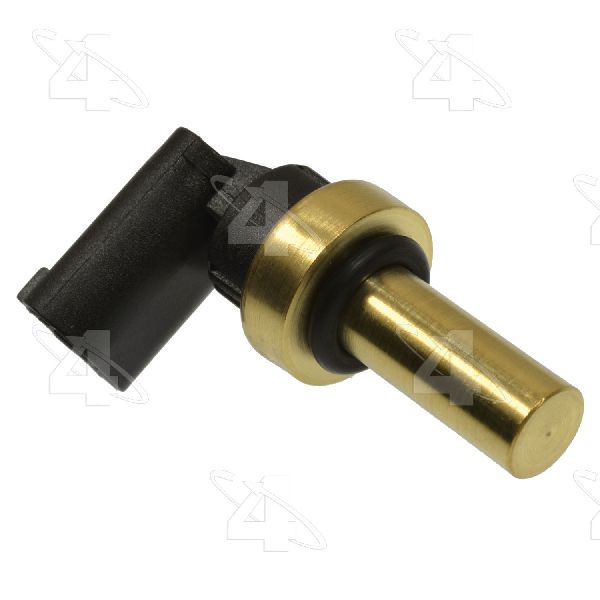
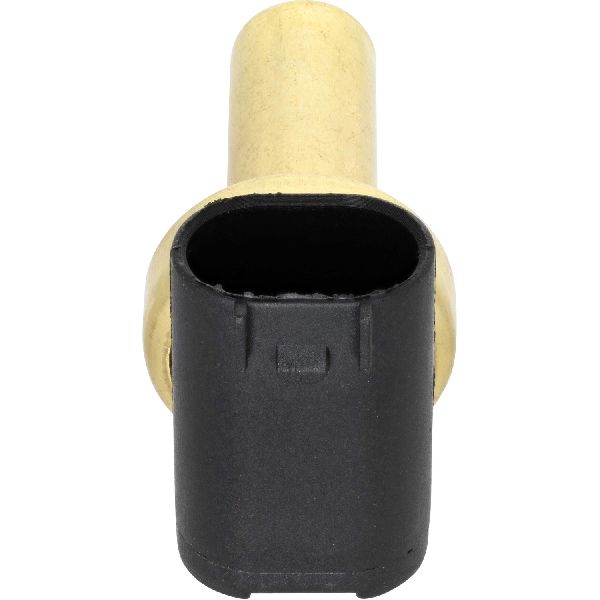
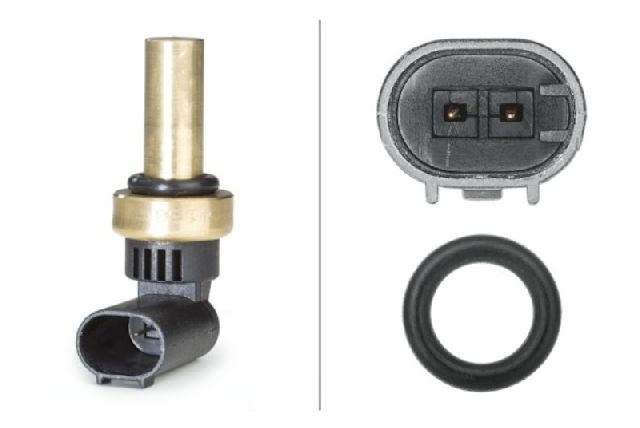
Typically a 2-pin, brass-tipped thermistor that threads or clips into the engine's cooling passages.
We Have This Part in Stock


The information in this article is provided for general reference and educational purposes only. Vehicle specifications, procedures, and part compatibility can vary by production date, trim level, and region. Always consult your vehicle's factory service manual and verify part numbers before purchasing or performing repairs. Safety-critical components such as airbags, seat belts, and braking systems should be installed by a qualified professional.
- Chevrolet Volt:
- 🎬 Helpful Videos
- 🛍️ Shop This Part
- Symptoms of a Failing Engine Coolant Temperature Sensor
- A Note on the *Battery* Coolant Sensor
- Choosing the Right Aftermarket Sensor
- Tier 1: OEM & Premium Aftermarket
- Tier 2: Standard Aftermarket
- Tier 3: Economy Brands
- Cost of Replacing a Chevrolet Volt ECT Sensor
- Frequently Asked Questions (FAQ)
- 🎟️ Get 5% Off