

Chevrolet Volt Ignition Coil Replacement Guide: 2011-2019
Learn to spot failing ignition coils in your Volt's range-extender engine and choose the right replacement part.
- Only notice symptoms when the gas engine is running.
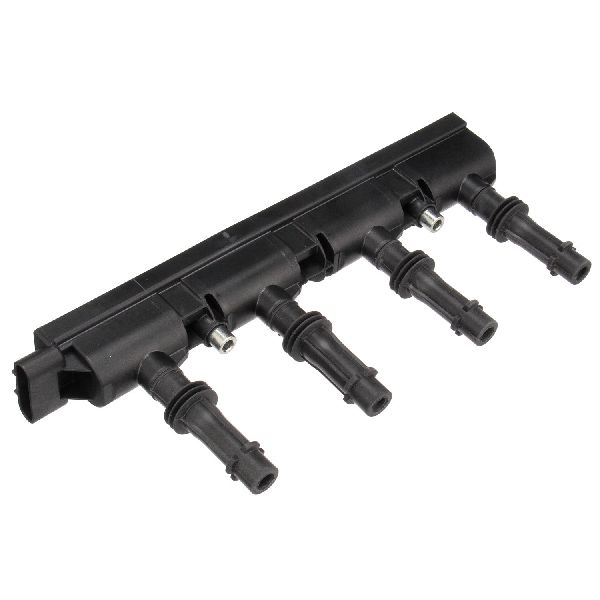
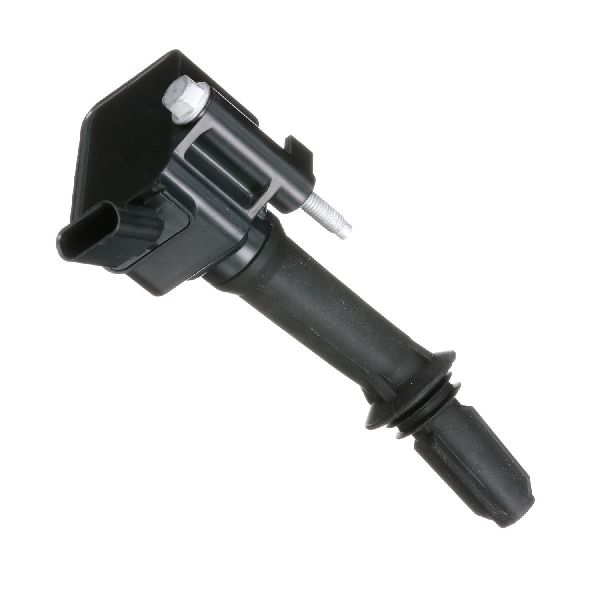
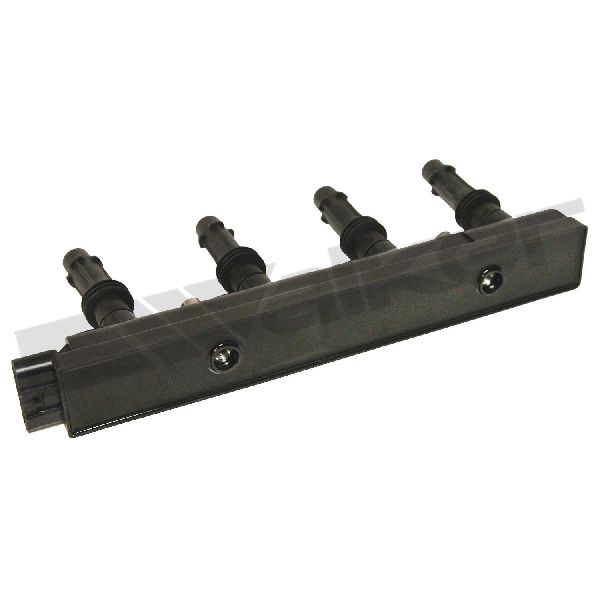
- Gen 1 (2011-15) uses a single coil cassette; Gen 2 (2016-19) uses four individual coils.
- A misfire code (P0300-P0304) is the most common sign of failure.
- For best results, stick with OEM-quality brands like ACDelco, Delphi, or NGK and replace spark plugs at the same time.
Understanding Ignition Coils in Your Volt
The Chevrolet Volt has two distinct generations, each with a different engine and ignition coil setup. It's crucial to identify which one you have before buying parts.
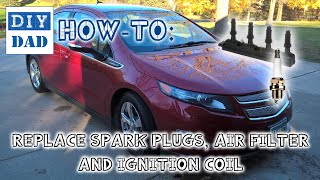
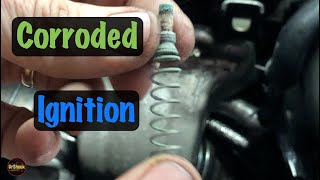
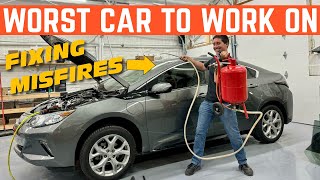
- Gen 1 (2011-2015): These models use a 1.4L engine with a single ignition coil cassette or rail. This one-piece assembly houses all four coils and is replaced as a single unit. 🎬 Watch: Full walkthrough for replacing Gen 1 coils and plugs. A common issue with these is not outright failure, but corrosion on the internal contact springs that connect to the spark plugs, leading to misfires. 🎬 Watch: How to repair corroded internal contact springs.
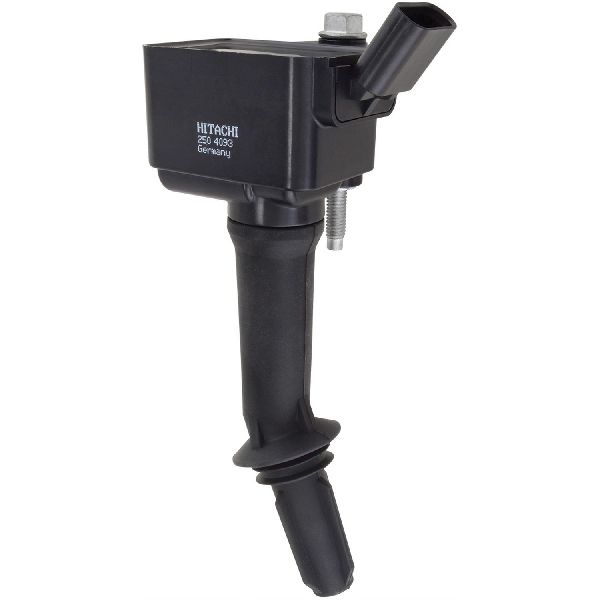
- Gen 2 (2016-2019): These models have a 1.5L engine with four individual 'Coil-on-Plug' (COP) units. This design allows you to replace only the specific coil that has failed, which can be more cost-effective.
Symptoms of a Failing Ignition Coil
Because the Volt runs on electricity first, you will only notice ignition coil problems when the gasoline engine is running. When the range extender kicks in, you might experience:
- Rough Idle or Shaking: The car may vibrate or shake noticeably when the gas engine is on, especially when stopped.
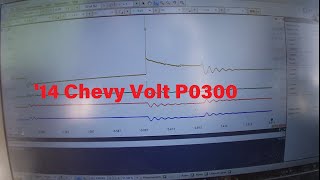
- Check Engine Light: A failing coil will almost always trigger the check engine light. You will likely see a code for a specific cylinder misfire (P0301, P0302, P0303, P0304) or a random misfire code (P0300). 🎬 See how to diagnose a P0300 misfire on this engine.
- Reduced Power and Fuel Economy: When the gas engine isn't firing on all cylinders, its ability to generate power is reduced, leading to poor performance and decreased gas mileage.
- Engine Stutter or Hesitation: Under acceleration, you may feel the engine hesitate or stutter as it struggles to burn fuel properly.
Known Issues & Bulletins
There are no safety recalls for ignition coils on the 2011-2019 Volt. However, GM issued a Technical Service Bulletin (TSB# PIP5201B) for the 1.4L engine regarding cold-start misfires with a P0300 code, where checking the ignition coil is a key diagnostic step. For Gen 2 Volts, be aware of an unrelated NHTSA investigation into the Battery Energy Control Module (BECM) which can also cause power loss, but is not related to the ignition system.
Choosing the Right Aftermarket Ignition Coil
Not all aftermarket coils are created equal. For a critical part like this, quality matters. Here’s a breakdown of available brands:
- Premium Brands (OEM-level quality): Brands like ACDelco (the original GM part), Delphi, and NGK are often the original equipment manufacturers. Choosing one of these is the safest bet for reliability and performance that matches the factory part. Bosch is another top-tier brand with a strong reputation in ignition systems.
- Quality Aftermarket Brands: Brands like Standard Motor Products (SMP) and Hitachi generally offer good quality and are a solid choice if premium brands aren't available.
- Economy Brands: Be cautious with lesser-known or unbranded "white box" parts. While the low price is tempting, they have a higher likelihood of premature failure, which will have you doing the job all over again.
Pro Tip: It is highly recommended to replace the spark plugs at the same time you replace the ignition coils. Worn spark plugs can put extra strain on the new coils, causing them to fail sooner. Also, apply a small amount of dielectric grease to the inside of the coil boot to protect against moisture and make future removal easier.
Cost to Replace a Chevrolet Volt Ignition Coil
| Part Type | Estimated Cost |
|---|---|
| New OEM (ACDelco) | $125 - $260 |
| New Aftermarket | $40 - $228 |
| Shop Labor | $50 - $120 |
(Note: Costs are estimates. Gen 1 uses a single, more expensive cassette, while Gen 2 uses individual, less expensive coils.)
Frequently Asked Questions
Should I replace all ignition coils at once?
For a Gen 1 (2011-2015) Volt, you have to. The part is a single cassette that houses all four coils. For a Gen 2 (2016-2019), you can replace just the one that failed. However, since all coils have the same amount of wear, it's common practice to replace them all as a set to prevent future failures.
How often do Volt ignition coils need to be replaced?
There is no set replacement interval. They are a "replace as they fail" component. Because the Volt's engine runs less than a traditional car's, coils may last longer, but they can still fail from heat and age. A typical lifespan is around 100,000 miles, but this can vary widely.
Can I use an ignition coil from a Chevy Cruze in my Volt?
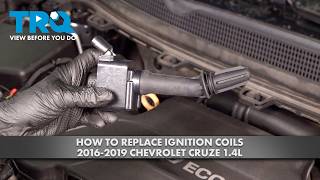
Yes, for the Gen 1 Volt (2011-2015). It shares the same 1.4L engine and ignition coil cassette (part 55579072) with the Chevy Cruze, Sonic, and Cadillac ELR of the same era. Always confirm the part number before purchasing.
What happens if I don't replace a bad coil?
Driving with a misfiring engine will cause poor fuel economy and performance. More seriously, unburnt fuel can get into the exhaust and damage the expensive catalytic converter. It's best to address the issue promptly.
Helpful Videos
Technical Specifications
OEM Part Numbers: 55579072 19005362 25198623 25195107 25203537 25205340
Gen 1 (2011-2015) uses a single coil-on-plug rail assembly for its 1.4L LUU engine. Gen 2 (2016-2019) uses four individual coil-on-plug units for its 1.5L LGE engine.
We Have This Part in Stock



The information in this article is provided for general reference and educational purposes only. Vehicle specifications, procedures, and part compatibility can vary by production date, trim level, and region. Always consult your vehicle's factory service manual and verify part numbers before purchasing or performing repairs. Safety-critical components such as airbags, seat belts, and braking systems should be installed by a qualified professional.
- Chevrolet Volt: