

Dodge Challenger Engine Oil Temperature Sensor Guide (2011-2019)
Is your Challenger's oil temperature gauge acting strange? Here’s what you need to know.
- A bad oil temp sensor will usually trigger a Check Engine Light with codes P0196, P0197, or P0198.
- Replacement cost varies widely by engine; it's an easy job on V8s but very difficult on the 3.6L V6.
- Quality aftermarket brands like Standard Ignition and Holstein are reliable, cost-effective alternatives to the OEM part.
- Driving with a bad sensor can lead to poor performance, bad gas mileage, and potentially engine damage from overheating.
Is Your Engine Oil Temperature Sensor Failing?

A bad oil temperature sensor can cause problems that you might notice while driving. Since the sensor is located in a hot, harsh environment inside the engine, it can wear out over time. Sometimes, the wiring connected to the sensor can also get damaged. If you see any of these signs, it might be time for a replacement.
Common Symptoms of a Bad Sensor:
- Check Engine Light: This is often the first warning sign that something is wrong with the sensor or its circuit.
- Incorrect Temperature Gauge: The oil temperature gauge on your dashboard might jump from cold to hot very quickly, move around randomly, or not move at all.
- Poor Engine Performance: You might feel a loss of power, rough idling, or have trouble starting the engine. This happens because the car's computer is getting bad information.
- Worse Gas Mileage: If the computer thinks the oil is colder or hotter than it really is, it can inject the wrong amount of fuel, hurting your fuel economy.
Cost to Replace Dodge Challenger Oil Temperature Sensor

| Part Type | Price Range |
|---|---|
| New OEM (Mopar) | $45 - $70 |
| New Aftermarket | $19 - $24 |
| Shop Labor | $150 - $600* |
*Labor costs vary greatly depending on your Challenger's engine. The sensor is much harder to reach on the 3.6L V6 than on the V8 models.
Choosing the Right Aftermarket Sensor

When replacing this sensor, you don't always need to buy the expensive OEM part from the dealer. High-quality aftermarket parts can work just as well and save you money. For a simple sensor, the main difference between brands is often just the price and warranty.
Pro Tip: The OEM Mopar part number is 5149077AB, which is used across many Dodge, Jeep, and Chrysler vehicles for both oil and coolant temperature.
- Standard Ignition (SMP): A well-known brand that makes reliable, direct-fit replacement parts that are tested to meet original specifications.
- Holstein: This brand offers parts that they claim are OE-quality, often for a lower price. They back their sensors with a 3-year/36,000-mile warranty.
- Walker Products: Another established brand that provides a cost-effective option for replacement sensors.
For your 2011-2019 Challenger, any of these aftermarket brands offer a dependable replacement. They are designed to fit and function like the original without the high dealer price tag.
Related Recall for 2017 Hellcat Models
There was a safety recall (NHTSA 17V-496) for some 2017 Dodge Challengers with the 6.2L Hellcat engine. This recall was for faulty engine oil cooler lines that could separate and cause a rapid loss of oil, NOT for the sensor itself. This could lead to engine seizure or a fire. While it's a different part, it's a critical issue for owners of affected vehicles to be aware of.
Frequently Asked Questions

Where is the oil temperature sensor located on a Dodge Challenger?
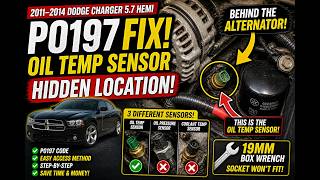
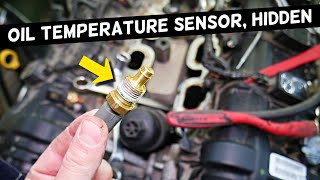
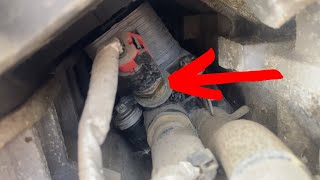
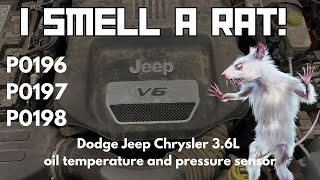
The location depends on your engine. On the 3.6L V6, it is a difficult job because the sensor is located under the lower intake manifold. 🎬 Watch: Step-by-step sensor removal for the 3.6L V6 engine. On V8 engines like the 5.7L HEMI, it is much easier to access, located behind the alternator near the oil filter.
Can I replace the oil temperature sensor myself?
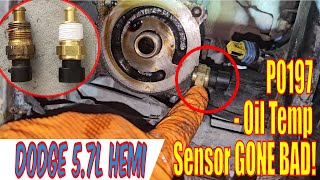
If you have a V8 engine, a skilled DIYer can likely do the job by moving the alternator out of the way. 🎬 Watch: How to fix P0197 on 5.7L HEMI engines. For the 3.6L V6, replacement is much more complex and involves removing the entire intake manifold, which is best left to a professional mechanic.
What happens if I don't replace a bad oil temperature sensor?
You can likely still drive the car, but it's not recommended for long. The car's computer will guess the oil temperature, which can lead to poor performance, bad fuel economy, and potentially cause the engine to overheat without you knowing. Ignoring the check engine light is never a good idea.
What are the common trouble codes for a bad oil temp sensor?
The most common diagnostic trouble codes (DTCs) are P0196 (sensor performance issue), P0197 (circuit voltage is too low), and P0198 (circuit voltage is too high).
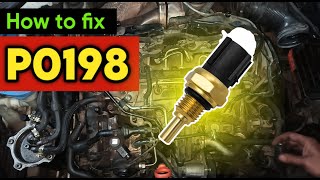
🎬 See how to test and replace sensors for these codes.Helpful Videos

Technical Specifications
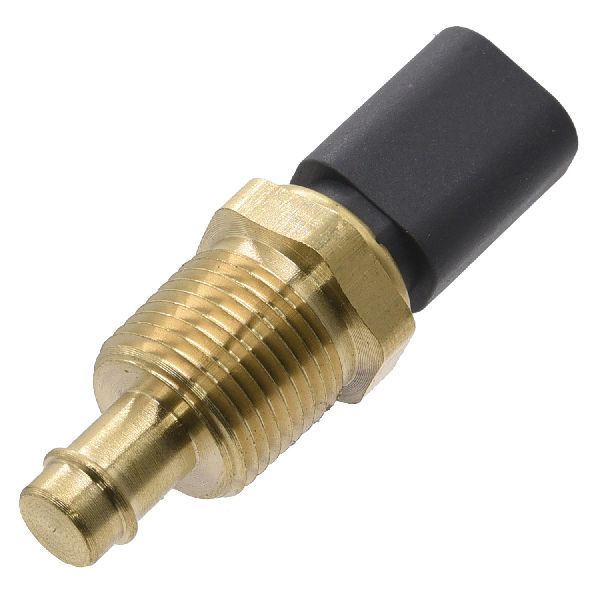
OEM Part Numbers: 5149077AB 05149077ab 5149096AB
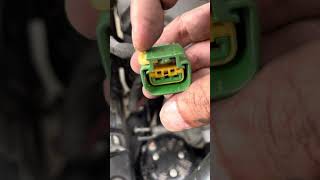
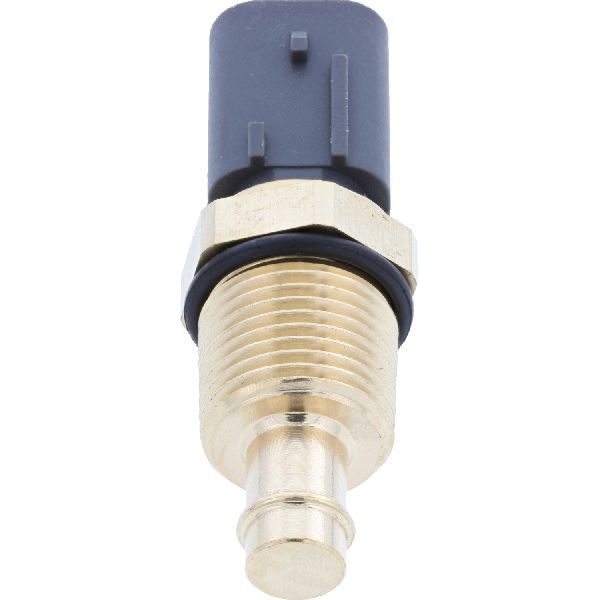
This sensor is a thermistor, meaning its electrical resistance changes with temperature. It typically has a 2-terminal gray or green blade connector.
We Have This Part in Stock


The information in this article is provided for general reference and educational purposes only. Vehicle specifications, procedures, and part compatibility can vary by production date, trim level, and region. Always consult your vehicle's factory service manual and verify part numbers before purchasing or performing repairs. Safety-critical components such as airbags, seat belts, and braking systems should be installed by a qualified professional.
- Dodge Challenger: