

Ford Escape Accessory Drive Belt: A Guide for 2011-2019 Models
Don't let a squealing belt leave your Ford Escape stranded; here's what you need to know.
- Verify your Escape's engine (e.g., 2.5L, 1.6L, 2.0L) before ordering, as belts are not interchangeable between engines or generations.
- A squealing noise is a critical warning; ignoring it can lead to a breakdown and potential engine damage.
- For a lasting repair, plan to replace the belt tensioner along with the belt, especially if the old belt was noisy.
- If the belt breaks, you cannot drive the vehicle. You will lose power steering, battery charging, and engine cooling.
Is Your Escape a 2011-2012 or a 2013-2019? It Matters.

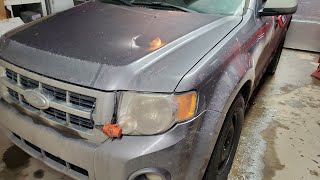
Before buying a new accessory drive belt, you must know which generation of Ford Escape you own. The 2011-2019 range covers two different vehicles.
- 2011-2012 Ford Escape: This is the second-generation, boxier style. It uses engines like the 2.5L four-cylinder and the 3.0L V6. 🎬 See how to replace the belt on 2008-2012 models
- 2013-2019 Ford Escape: This is the third-generation, more rounded crossover. It uses different engines, including the 1.5L EcoBoost, 1.6L EcoBoost, 2.0L EcoBoost, and a 2.5L four-cylinder.
Each engine requires a specific belt length and rib count. Using the wrong belt will either not fit or fail quickly. Always confirm your part with your vehicle's year and engine size.
Symptoms of a Failing Accessory Drive Belt

A belt will almost always give warning signs before it snaps. Ignoring them is asking for trouble.
- Squealing or Chirping Noises: This is the most common symptom. A high-pitched squeal when you start the engine, turn on the A/C, or turn the steering wheel means the belt is slipping.
- Visible Damage: Pop the hood and look at the belt. If you see cracks, frayed edges, missing chunks of the ribs, or a shiny, glazed surface, it's time for a replacement.
- Accessory Problems: If your headlights are dimming or a battery light comes on, the belt may not be spinning the alternator properly. Heavy steering or an A/C that stops blowing cold are also signs the belt is slipping.
- Engine Overheating: The belt drives the water pump. If it fails, coolant stops circulating and the engine will overheat very quickly, which can cause severe engine damage.
Pro Tip: It's Often the Tensioner, Not Just the Belt
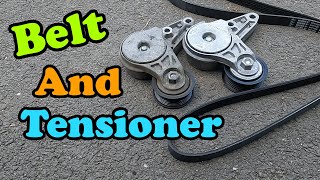
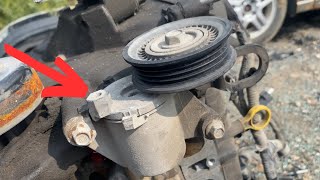
The most common reason for belt noise is a worn-out belt tensioner. This spring-loaded pulley keeps the belt tight. If the spring is weak, it can't apply enough force, and even a new belt will squeal and wear out fast. If you're replacing a belt due to noise or high mileage, it is strongly recommended to replace the belt tensioner and inspect the idler pulleys at the same time. On some engines like the 1.6L EcoBoost, the tensioner must be moved to get the belt off, making it the perfect time to replace both.
🎬 Watch: 2013-2016 Ford Escape belt and tensioner replacement guideChoosing the Right Aftermarket Belt Brand

You don't need to buy the expensive dealer part to get good quality. Many aftermarket brands are made by the same companies that supply Ford. They offer the same performance for less money.
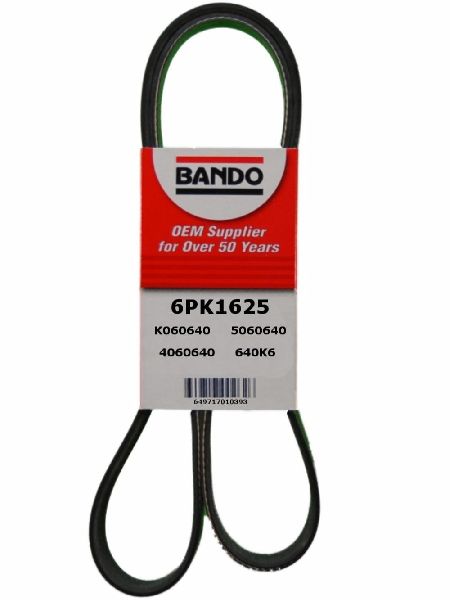
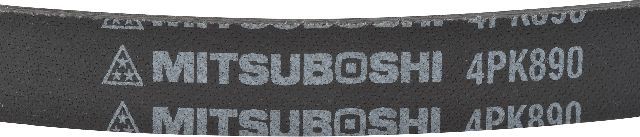
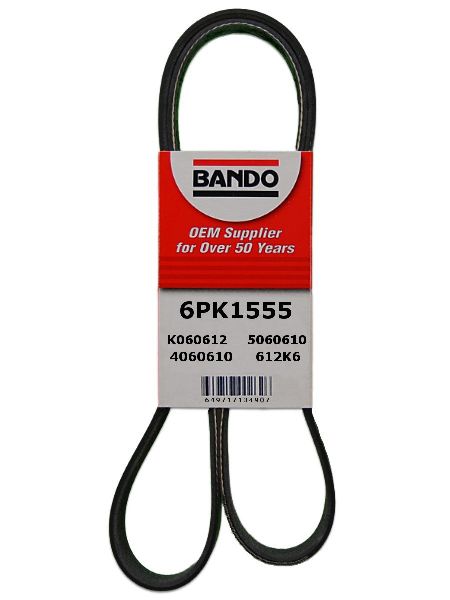
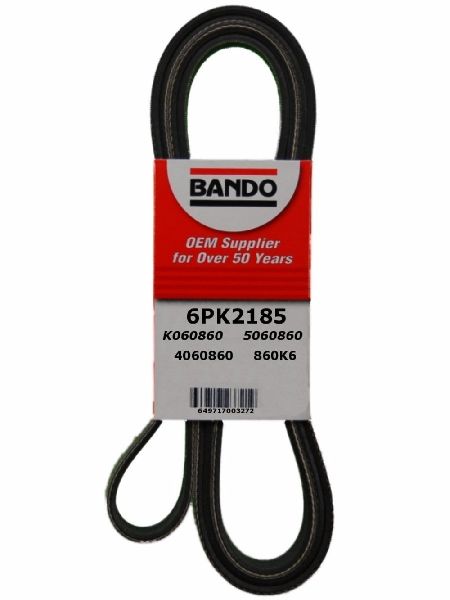
- OEM-Supplier Quality (Best Tier): Brands like Bando and Mitsuboshi are well-known original equipment manufacturers for many car brands. They are trusted to deliver long life and quiet performance. Bando states they use the same high-quality EPDM rubber for their aftermarket belts as they do for their OEM contracts.
- Reputable Aftermarket (Good Tier): ACDelco is another solid choice. While known as GM's parts brand, they produce reliable replacement parts for many makes and models, including the Ford Escape.
When shopping, the most important factor is matching the part to your Escape's specific engine and year. After that, choosing a belt from one of these trusted brands will ensure a reliable repair.
Accessory Drive Belt Replacement Cost for 2011-2019 Ford Escape
| Part or Service | Estimated Cost |
|---|---|
| New Aftermarket Belt | $17 - $50 |
| New OEM (Motorcraft) Belt | $65 - $75 |
| Shop Labor | $95 - $140 |
| Total Professional Replacement | $160 - $215 |
Cost estimates are for the belt only and do not include the recommended tensioner or idler pulley replacement. Prices can vary by location and repair shop.
Frequently Asked Questions

How often should I replace my Escape's accessory belt?
As a general rule, plan to replace the belt every 60,000 to 100,000 miles. However, you should start visually inspecting it for cracks and wear at every oil change after 40,000 miles, especially if you live in a hot or cold climate.
Can I replace the accessory belt myself?
Yes, this is a DIY-feasible job for someone with moderate mechanical skill and the right tools. It requires safely lifting the vehicle, removing the passenger-side front wheel and a plastic splash shield to get access. You will need a long breaker bar or a serpentine belt tool to release the tensioner. The job can be tight, but it is manageable.
Are there any recalls for the Ford Escape accessory belt?
No. Searches of the National Highway Traffic Safety Administration (NHTSA) database show no safety recalls specifically for the accessory drive belt or its related components on the 2011-2019 Ford Escape.
My new belt is still squeaking. What's wrong?
If a new belt is making noise, the problem is almost certainly not the belt itself. The cause is likely a weak belt tensioner that isn't providing enough tension, or a misaligned or failing idler pulley. Never use a spray-on "belt dressing," as it only masks the problem and can damage the new belt.
🎬 Watch this to fix high-pitched noises and tensioner issuesHelpful Videos
Technical Specifications
OEM Part Numbers: 9L8Z8620C 5L8Z-8620-AB GB5Z-8620-A F1EZ-8620-A CV6Z-8620-B 9L8Z-8620-A
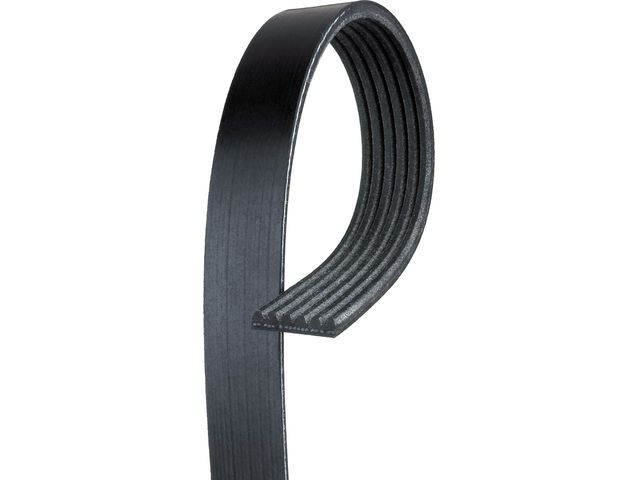
The correct belt is specific to your Escape's year, engine type (1.5L, 1.6L, 2.0L, 2.5L, 3.0L), and options. Belts are made of EPDM rubber and feature a multi-rib (V-ribbed) design. Length and rib count vary significantly. Always verify fitment using your vehicle's VIN.
We Have This Part in Stock

The information in this article is provided for general reference and educational purposes only. Vehicle specifications, procedures, and part compatibility can vary by production date, trim level, and region. Always consult your vehicle's factory service manual and verify part numbers before purchasing or performing repairs. Safety-critical components such as airbags, seat belts, and braking systems should be installed by a qualified professional.
- Ford Escape:
- 🎬 Helpful Videos
- 🛍️ Shop This Part
- Is Your Escape a 2011-2012 or a 2013-2019? It Matters.
- Symptoms of a Failing Accessory Drive Belt
- Pro Tip: It's Often the Tensioner, Not Just the Belt
- Choosing the Right Aftermarket Belt Brand
- Accessory Drive Belt Replacement Cost for 2011-2019 Ford Escape
- Frequently Asked Questions
- 🎟️ Get 5% Off