

Ford F53 Alternator Guide: Choosing the Right Replacement for 2011-2019 Models
Keep your motorhome's power systems running strong with the right alternator for your Ford F53 chassis.
- The F53 chassis has high electrical demands; use a quality new alternator, not a cheap remanufactured unit.
- Verify the correct amperage for your year model, which is typically 175 amps for this generation.
- Symptoms include dimming lights, a battery warning on the dash, and house batteries not charging while driving.
- It's highly recommended to replace the serpentine belt at the same time as the alternator.
Is Your F53 Alternator Failing?
An alternator doesn't usually fail without warning. On a Ford F53 motorhome, the signs can be subtle at first. You might notice the lights inside your coach flickering, or your house batteries don't seem to hold a charge after a long drive. Pay attention to these common symptoms.
Key Failure Symptoms:
- Dimming or Flickering Lights: Headlights and interior coach lights may dim at idle and brighten when you rev the engine.
- Warning Lights: A battery symbol or a "Check Engine" light may appear on your dashboard.
- Weak or Dead Batteries: If you frequently need to jump-start your chassis battery, or if your house batteries aren't recharging while driving, the alternator is a likely suspect. 🎬 Watch: A fast and simple way to test your alternator.
- Strange Noises: A grinding or whining sound from the engine area can point to failing bearings inside the alternator.
- Electrical Problems: Slow power windows, a radio that cuts out, or other weird electrical issues can happen when power is inconsistent.
No Known Recalls for This Part
As of early 2026, there are no active recalls or widespread technical service bulletins (TSBs) from Ford specifically for alternator failure on the 2011-2019 F53 chassis. Any failure is typically due to age, mileage, and the high electrical demands of motorhome use.
Choosing the Right Aftermarket Alternator
When your F53's alternator needs to be replaced, you have a few options. Since you're putting this part on a heavy-duty vehicle that you rely on for travel, choosing a quality part is important. We'll compare the OEM option to a quality new aftermarket choice.
Brand Tiers: Motorcraft vs. New Aftermarket
- Motorcraft (OEM): This is the original part that Ford put in your chassis at the factory. It's the benchmark for fit and quality. Choosing a new Motorcraft alternator guarantees you get a part that meets Ford's exact specifications for performance and longevity. However, it is usually the most expensive option.
- MPA (New Aftermarket): Brands like MPA (Motorcar Parts of America) produce brand-new alternators designed to meet or exceed original specifications. A new aftermarket part from a reputable manufacturer like MPA is an excellent choice, often providing similar quality and performance to the OEM part at a better price. For a critical component like an alternator, a new part is often a better investment than a remanufactured one, which can be inconsistent in quality.
Pro Tip: Check the Amperage
Ford F53 chassis in this year range typically use a 175-amp alternator to handle the motorhome's electrical needs. Always confirm the amperage of your original alternator before ordering a replacement. Installing an alternator with lower amperage can lead to poor charging performance and premature failure.
Cost of Replacing a Ford F53 Alternator
Here is a general breakdown of what you can expect to pay for the part and installation. Prices can vary based on your location and the specific part you choose.
| Item | Estimated Cost |
|---|---|
| New OEM (Motorcraft) Part | $380 - $620 |
| New Aftermarket Part | $330 - $445 |
| Remanufactured Part | $150 - $350 |
| Shop Labor | $200 - $400 |
Frequently Asked Questions
Can I install the alternator myself?
For an experienced DIY mechanic, this is a manageable job. It requires working from underneath the vehicle, releasing the serpentine belt tension, and handling a few bolts and electrical connectors. However, due to the size and tight access of a motorhome, many owners prefer to have a professional shop handle the replacement.
🎬 See this walkthrough of an alternator replacement on a V10.Should I buy a new or remanufactured alternator?
For a vehicle like a motorhome where reliability is key, a new alternator (either OEM Motorcraft or a quality aftermarket brand like MPA) is highly recommended. Remanufactured parts can be a gamble on quality and may not last as long, potentially leaving you stranded.
Do I need a special high-output alternator?
For most F53 motorhomes, the stock 175-amp alternator is sufficient for the factory-installed equipment. You would only need a high-output alternator (200+ amps) if you have added significant electrical accessories, such as large power inverters, extensive sound systems, or extra battery banks.
🎬 Learn how to perform an on-vehicle alternator load test.Should I replace the serpentine belt at the same time?
Yes. The serpentine belt has to be removed to replace the alternator, so it's the perfect time to install a new one. Belts are inexpensive and replacing it now prevents having to do the same labor all over again if the old belt fails soon.
Helpful Videos
Technical Specifications
OEM Part Numbers: BL1Z-10346-A 6C3Z-10346-AA
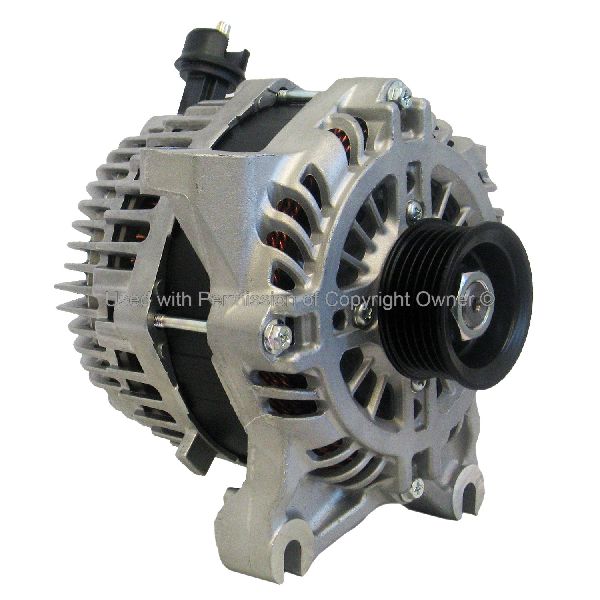
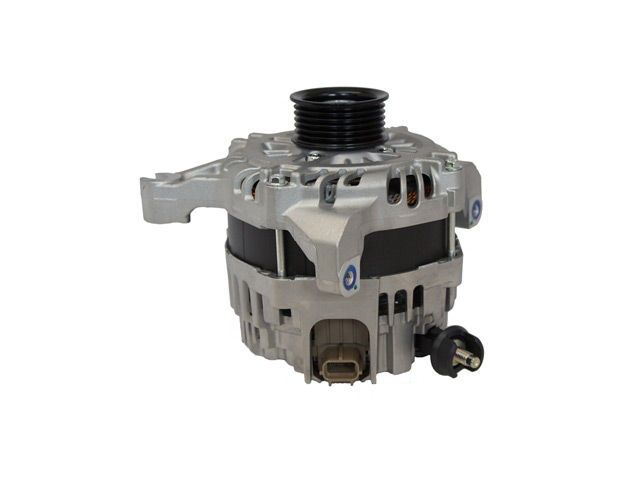
Amperage: 175A, Voltage: 12V, Pulley: 6-Groove, Rotation: Clockwise
We Have This Part in Stock

The information in this article is provided for general reference and educational purposes only. Vehicle specifications, procedures, and part compatibility can vary by production date, trim level, and region. Always consult your vehicle's factory service manual and verify part numbers before purchasing or performing repairs. Safety-critical components such as airbags, seat belts, and braking systems should be installed by a qualified professional.
- Ford F53:
- 🎬 Helpful Videos
- 🛍️ Shop This Part
- Is Your F53 Alternator Failing?
- Key Failure Symptoms:
- No Known Recalls for This Part
- Choosing the Right Aftermarket Alternator
- Brand Tiers: Motorcraft vs. New Aftermarket
- Pro Tip: Check the Amperage
- Cost of Replacing a Ford F53 Alternator
- Frequently Asked Questions
- 🎟️ Get 5% Off