

Hyundai Santa Fe 2011-2019 Oxygen Sensor: A Complete Guide
Everything you need to know before replacing an oxygen sensor on your 2011-2019 Santa Fe.
- Verify your Santa Fe's year, model (Sport, XL, or regular), and engine size before ordering.
- Choose a direct-fit sensor to avoid cutting or splicing wires.
- For best results, use an OEM-supplier brand like Denso, NGK, or Mando.
- Do not ignore a failing O2 sensor, as it can lead to poor performance and costly catalytic converter damage.
Is Your Santa Fe's Oxygen Sensor Failing?

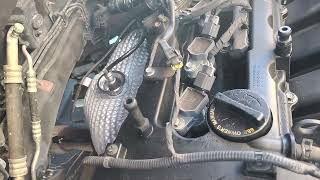
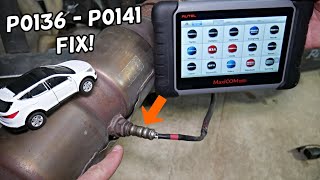
A bad oxygen sensor won't leave you stranded, but it will cause noticeable problems. Ignoring these signs can lead to more expensive repairs down the road, particularly damage to your catalytic converter. If your check engine light is on, the first step is to get the code read. 🎬 Watch: How to check and diagnose a faulty oxygen sensor Many auto parts stores offer this service for free. Codes related to the oxygen sensor often start with P0030, P0136, or P013E.
Key Symptoms of a Bad O2 Sensor:
- Check Engine Light: This is the most common sign. A failing O2 sensor is a frequent trigger for the check engine light.
- Worse Gas Mileage: A bad sensor can cause the engine to use more fuel than necessary, so you'll find yourself at the gas pump more often.
- Rough Idle or Stalling: Your Santa Fe might shake when stopped or hesitate when you press the gas. This happens because the engine is getting an incorrect air-fuel mix.
- Rotten Egg Smell: A sulfur or rotten egg smell from the exhaust can indicate a problem with the O2 sensor and catalytic converter.
- Failed Emissions Test: A faulty O2 sensor will prevent your vehicle from passing an emissions inspection.
A Note on Santa Fe Generations
The 2011-2019 year range covers two different Santa Fe generations. It's crucial to know which one you have before ordering parts.
- 2nd Generation (2011-2012): This includes the last years of the second-gen body style.
- 3rd Generation (2013-2018/2019): For these years, the 5-seater was called the "Santa Fe Sport," and the longer, 7-seater V6 model was the "Santa Fe" (later renamed Santa Fe XL for 2019). A completely new "Santa Fe" model was released in 2019, which is a 4th generation vehicle and uses different parts.
Always verify your exact model and engine (2.4L, 2.0L Turbo, or 3.3L V6) before buying.
Choosing the Right Aftermarket Oxygen Sensor

You don't have to buy from the dealer to get a quality part. For Hyundai, several aftermarket brands offer excellent quality, and some are even the original equipment (OE) manufacturers.
Brand Quality Tiers for Hyundai
- Tier 1 (OEM Quality): Denso, NGK (or NTK), Mando. Denso and NGK are well-known OEM suppliers for many Asian vehicles and are highly recommended in owner forums. Mando is an original equipment supplier for Hyundai and Kia, making their parts a direct OE-equivalent replacement. Choosing one of these brands is the safest bet for compatibility and longevity.
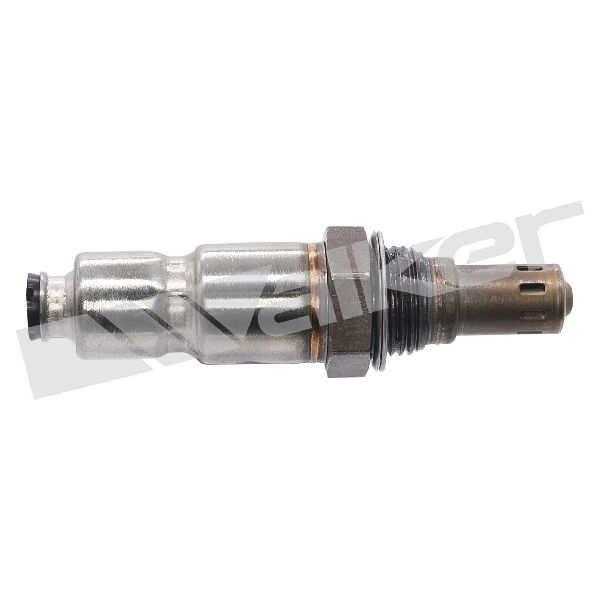
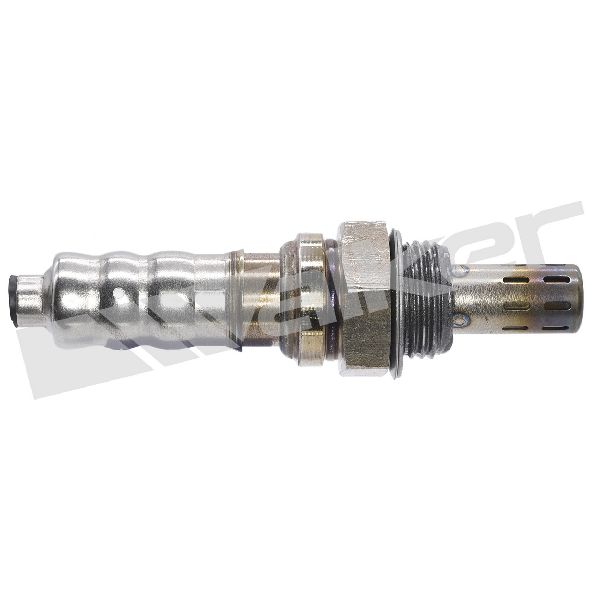
- Tier 2 (High-Quality Aftermarket): Bosch, Delphi, Walker Products. Bosch invented the oxygen sensor and is a massive global OEM supplier, but their aftermarket sensors have mixed reviews for some Asian vehicles. While many have no issues, some owners report problems and prefer to stick with Denso or NGK. Delphi and Walker are also reputable aftermarket brands with a long history of producing reliable parts.
- Tier 3 (Economy): DriveWire. These brands offer a budget-friendly option. While they can function correctly, their lifespan and manufacturing tolerances might not match the higher-tier brands.
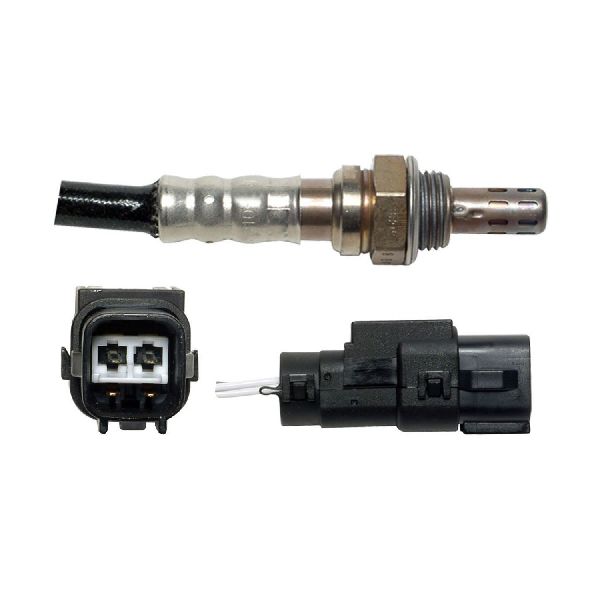
Pro Tip: Always choose a "direct-fit" sensor. These come with the correct wire length and factory-style connector for a simple plug-and-play installation. Avoid "universal" sensors, which require you to cut and splice wires and can lead to connection problems.
Expected Costs for Oxygen Sensor Replacement

The cost can vary depending on the sensor's location (upstream sensors are often more expensive) and the brand you choose.
| Part/Service | Estimated Cost |
|---|---|
| New Aftermarket O2 Sensor | $48 - $218 |
| New OEM O2 Sensor | $120 - $370+ |
| Shop Labor | $75 - $150 |
Frequently Asked Questions

How many oxygen sensors does my Santa Fe have?
It depends on your engine. 4-cylinder engines (2.4L, 2.0L Turbo) typically have two sensors: one upstream (before the catalytic converter) and one downstream (after the catalytic converter). V6 engines (3.3L) will have four sensors: an upstream and downstream sensor for each engine bank.
What's the difference between an upstream and a downstream sensor?
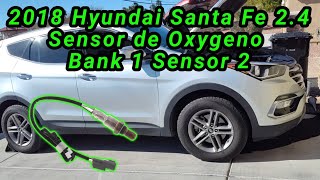
The upstream sensor (also called Bank 1 Sensor 1) is the most important one for engine performance. It reads the initial exhaust gases to regulate the air-fuel mixture. The downstream sensor (Bank 1 Sensor 2) primarily monitors the efficiency of the catalytic converter. They are not interchangeable.
Can I replace an oxygen sensor myself?
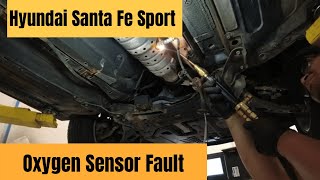
Yes, this is a job many DIYers can handle. You will need a special oxygen sensor socket to fit over the wire. The biggest challenge is that the old sensor can be seized in the exhaust pipe. Let the exhaust cool completely, then use a generous amount of penetrating oil. In some cases, you may need a torch to heat the area around the sensor to break it free.
Are there any recalls for the Santa Fe oxygen sensor?
There are no specific recalls for oxygen sensors on the 2011-2019 Hyundai Santa Fe. There have been recalls for other issues on these models, such as engine fire risks. Occasionally, a manufacturer may issue a Technical Service Bulletin (TSB) with a software update to address certain sensor-related fault codes, but no widespread sensor defect has been identified for a recall.
🎬 Watch: How to fix common Santa Fe O2 sensor codesHelpful Videos
Technical Specifications
OEM Part Numbers: 39210-2G150 39210-2G720 39210-2G200 39210-2G100 39210-2G240 39210-2G260
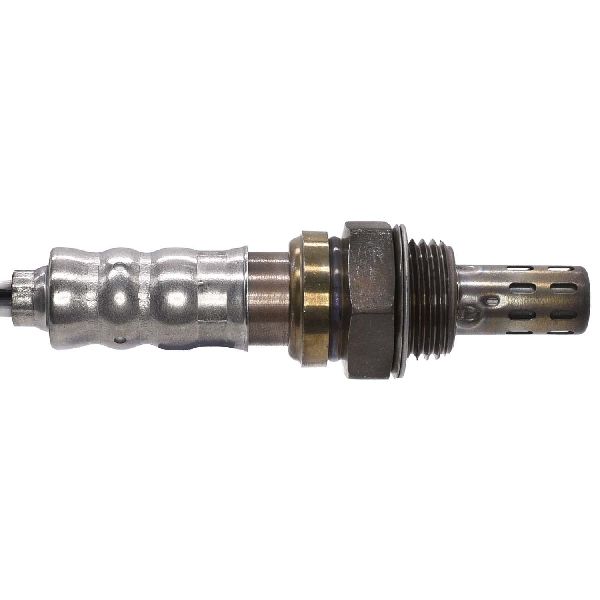
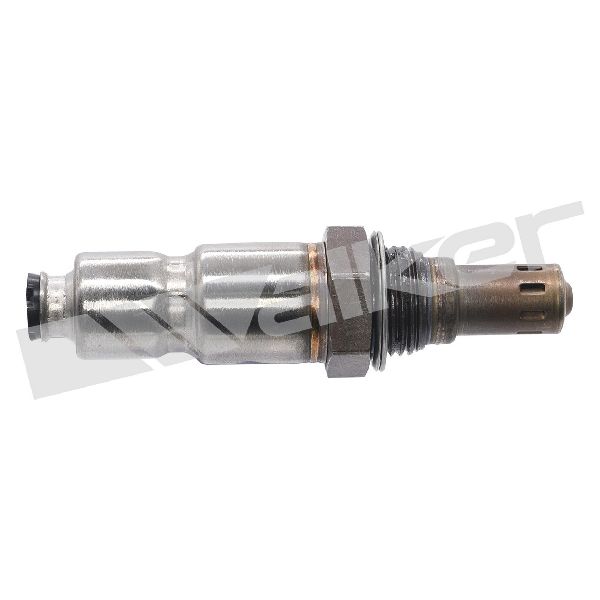
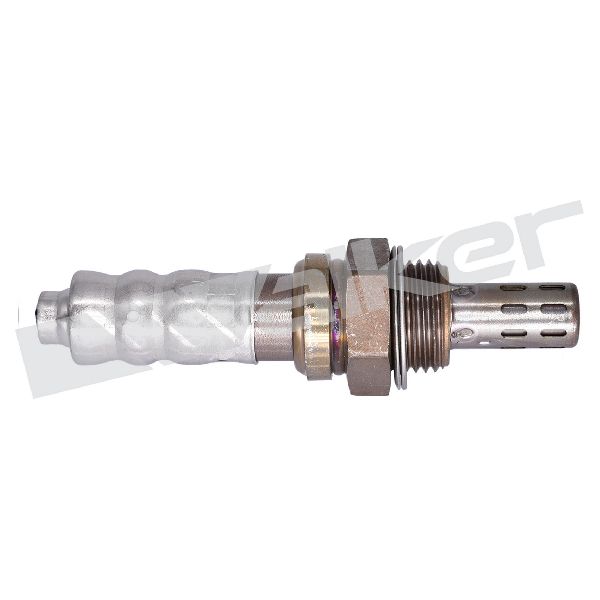
Fitment is specific to engine (2.0L Turbo, 2.4L GDI, 3.3L V6) and position (Upstream/Downstream, Bank 1/Bank 2). Always use a direct-fit sensor with the correct connector.
We Have This Part in Stock

The information in this article is provided for general reference and educational purposes only. Vehicle specifications, procedures, and part compatibility can vary by production date, trim level, and region. Always consult your vehicle's factory service manual and verify part numbers before purchasing or performing repairs. Safety-critical components such as airbags, seat belts, and braking systems should be installed by a qualified professional.
- Hyundai Santa Fe:
- 🎬 Helpful Videos
- 🛍️ Shop This Part
- Is Your Santa Fe's Oxygen Sensor Failing?
- Key Symptoms of a Bad O2 Sensor:
- A Note on Santa Fe Generations
- Choosing the Right Aftermarket Oxygen Sensor
- Brand Quality Tiers for Hyundai
- Expected Costs for Oxygen Sensor Replacement
- Frequently Asked Questions
- 🎟️ Get 5% Off