

Kenworth W900 (2011-2019) Turbocharger Boost Sensor: A Complete Guide
Losing power or seeing black smoke? Your W900's Turbocharger Boost Sensor could be the culprit.
- A failing boost sensor causes power loss, black smoke, and poor fuel economy.
- The sensor is also called a MAP sensor and is located on the driver's side intake manifold.
- Soot clogging is a very common problem; cleaning the sensor may fix the issue.
- Replacement is simple and can be done with basic tools in under an hour.
Is Your Turbo Boost Sensor Failing?
A faulty boost sensor can cause noticeable problems in your Kenworth W900. Because this sensor's data is so important for fuel and air calculations, a bad signal can directly impact how your truck drives. Watch for these common signs of failure.
Key Symptoms of a Bad Boost Sensor:
- Significant Loss of Power: Your truck may feel sluggish and slow to accelerate because the ECM isn't commanding the right amount of fuel or boost.
- Black Smoke from Exhaust: If the sensor incorrectly tells the ECM there is more air than there really is, the engine will inject too much fuel. This unburnt fuel comes out as black smoke.
- Check Engine Light: A bad sensor will trigger a check engine light and store diagnostic trouble codes (DTCs). Common codes include P0106, P0107, P0108, and P1247.
- Poor Fuel Economy: When the air-fuel mixture is wrong, your engine's efficiency drops, and you'll find yourself stopping for fuel more often.
- Rough Idle or Stalling: The engine may struggle to maintain a steady RPM at idle and could even stall when the sensor provides erratic readings.
Pro Tip: Check for Soot First
On both PACCAR and Cummins engines, a very common issue is the sensor's port becoming clogged with soot from the exhaust gas recirculation (EGR) system. Before replacing the sensor, remove it and inspect the sensor tip and the hole it sits in. Sometimes, carefully cleaning the soot with a soft brush and electrical contact cleaner can solve the problem.
Choosing the Right Aftermarket Boost Sensor
When replacing the boost sensor on your W900, you have options ranging from budget-friendly parts to those that rival OEM quality. Here’s an honest look at the brands available.
- Value Tier (Replacement Brand): These are the most affordable options and meet basic fit and function requirements. They can be a good choice for a quick fix or if budget is the primary concern. However, their long-term durability may not match more expensive brands.
- Standard Tier (Dorman): Dorman is a well-known aftermarket brand that offers direct-fit replacement parts. Their quality is generally considered acceptable, though online forums show mixed reviews, with some parts being excellent and others failing prematurely. For a critical sensor on a working truck, Dorman represents a middle-ground between cost and perceived reliability.
- OEM (Original Equipment Manufacturer): These sensors, from PACCAR or Cummins, are the benchmark for quality, fit, and longevity. They are the most expensive option but provide the greatest peace of mind, which is important when downtime can cost you money.
How Much Does a Turbo Boost Sensor Replacement Cost?
The total cost depends on the price of the part and whether you do the work yourself or hire a mechanic. Replacement is straightforward, making it a good DIY project for many owners.
| Part/Service | Estimated Cost |
|---|---|
| New Aftermarket Sensor | $25 - $150 |
| New OEM Sensor | $150 - $300 |
| Shop Labor | $75 - $220 |
| Total (DIY) | $25 - $150 |
| Total (Shop) | $100 - $520 |
Known Issues, Recalls, and Service Bulletins
Our research found several safety recalls for the 2011-2019 Kenworth W900, covering issues like wiper motors and clutches. However, there are no active recalls or technical service bulletins (TSBs) from Kenworth or the NHTSA specifically for the turbocharger boost sensor on these trucks. Failure is typically due to normal wear, electrical issues, or soot buildup.
Frequently Asked Questions
Where is the boost sensor located on a 2011-2019 Kenworth W900?
The location is slightly different depending on your engine. On a PACCAR MX-13, it's typically screwed into the intake manifold on the driver's side. On a Cummins ISX, it's also on the driver's side, usually held in place by a small bracket and a single 10mm bolt.
Is a boost sensor the same as a MAP sensor?
Yes. The terms are often used interchangeably. MAP stands for Manifold Absolute Pressure, which is exactly what the boost sensor measures. On many modern diesels, it's a combined sensor that also reads intake air temperature (IMAP).
What happens if I don't replace a bad boost sensor?
Continuing to drive with a faulty sensor will lead to poor engine performance, terrible fuel mileage, and increased soot production. In the long run, running a consistently rich fuel mixture can contribute to premature clogging of your diesel particulate filter (DPF) and other emissions system components, leading to much more expensive repairs.
Do I need to reset the computer after replacing the sensor?
It is good practice to clear the diagnostic trouble codes with a scan tool after the replacement. This ensures the check engine light goes off and allows the ECM to immediately use the readings from the new sensor. However, the system will typically recognize the new, functioning sensor on its own after a few drive cycles.
Technical Specifications
OEM Part Numbers: 2126981PE 2872784 4921324 2897334 1826279
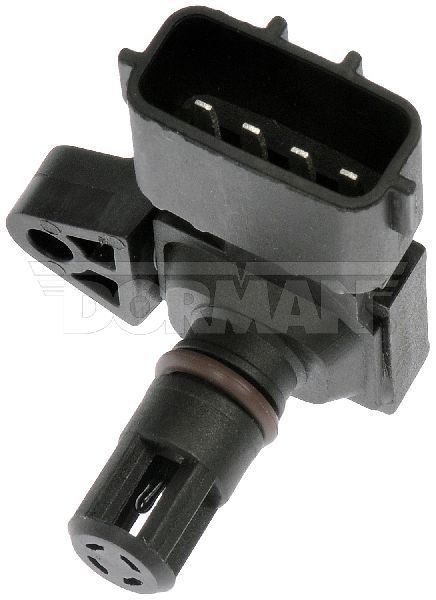
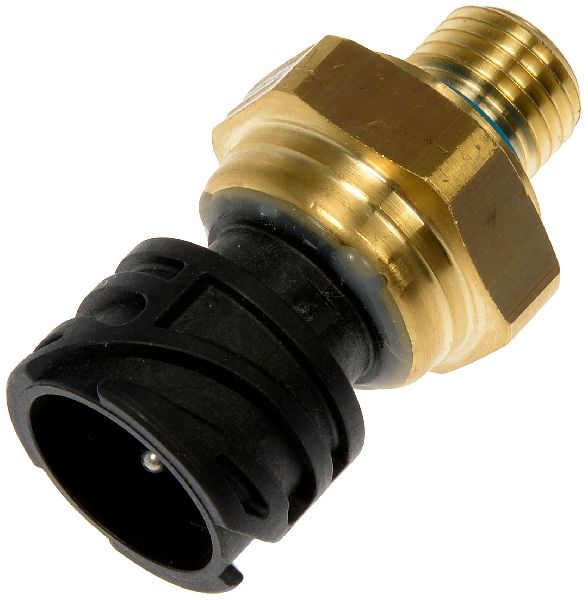
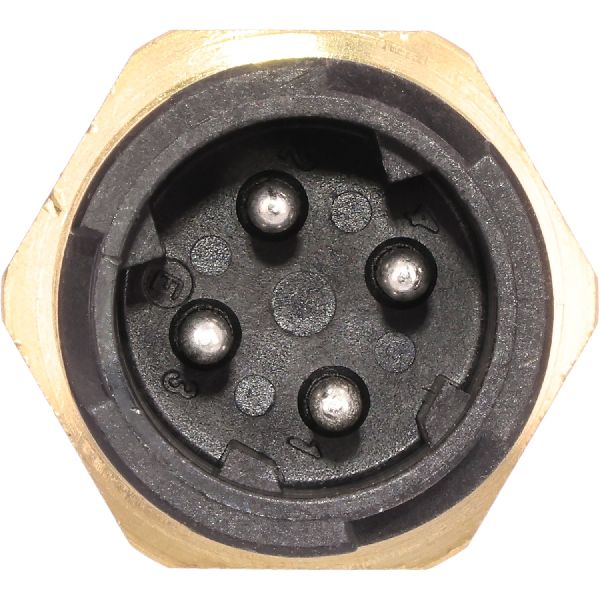
Typically features a 4-prong male terminal with a bolt-on or clamp-on mounting style. Measures absolute pressure in the intake manifold.
We Have This Part in Stock

The information in this article is provided for general reference and educational purposes only. Vehicle specifications, procedures, and part compatibility can vary by production date, trim level, and region. Always consult your vehicle's factory service manual and verify part numbers before purchasing or performing repairs. Safety-critical components such as airbags, seat belts, and braking systems should be installed by a qualified professional.
- Kenworth W900:
- 🛍️ Shop This Part
- Is Your Turbo Boost Sensor Failing?
- Key Symptoms of a Bad Boost Sensor:
- Pro Tip: Check for Soot First
- Choosing the Right Aftermarket Boost Sensor
- How Much Does a Turbo Boost Sensor Replacement Cost?
- Known Issues, Recalls, and Service Bulletins
- Frequently Asked Questions
- 🎟️ Get 5% Off