

A Ram Owner's Guide to Oxygen Sensors for the 2011-2019 Ram 1500
Understand the symptoms of a failing O2 sensor and learn how to choose the right aftermarket replacement for your truck.
- Your Ram 1500 has four O2 sensors; identify the correct one before ordering (upstream/downstream, driver/passenger side).
- A check engine light for an O2 sensor doesn't always mean the sensor is bad; check for wiring issues or exhaust leaks first.
- For best results and to avoid compatibility issues, choose OEM (Mopar) or OEM-equivalent brands like NGK/NTK or Denso.
- Ignoring a bad O2 sensor can lead to poor fuel economy, rough running, and expensive catalytic converter damage.
Is Your Ram 1500's Oxygen Sensor Failing?

A bad oxygen sensor can cause a range of problems, from annoying to serious. The most common sign is the check engine light turning on. You might also notice your truck getting worse gas mileage, running rough or idling poorly, or even hesitating when you accelerate. In some cases, you may smell a rotten egg or sulfur odor from the exhaust, which is a sign that unburnt fuel is damaging the catalytic converter. Ignoring a bad O2 sensor can lead to much more expensive repairs, including a failed catalytic converter, which can cost thousands to replace.
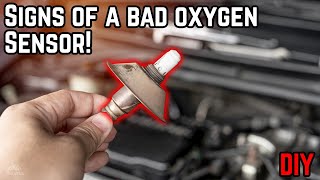
🎬 Watch: Learn how to diagnose signs of a bad sensorCommon Ordering Mistakes

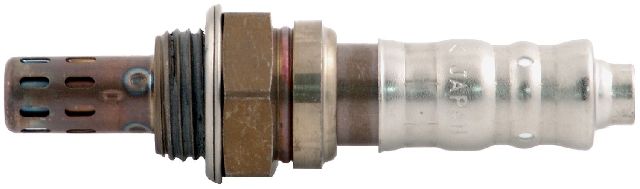
Your 2011-2019 Ram 1500 has four oxygen sensors: two upstream and two downstream. The upstream sensors (Bank 1 Sensor 1, Bank 2 Sensor 1) are located before the catalytic converters and are crucial for managing the air-fuel ratio. The downstream sensors (Bank 1 Sensor 2, Bank 2 Sensor 2) are located after the catalytic converters and primarily monitor the converters' efficiency. It is essential to order the correct sensor for the specific location, as they are often not interchangeable. Bank 1 is on the driver's side, and Bank 2 is on the passenger's side.
Choosing the Right Aftermarket Oxygen Sensor

When it comes to sensors, not all aftermarket brands are created equal. For Chrysler vehicles like your Ram, using a quality sensor is important to avoid compatibility issues. Some trucks are sensitive and may not respond well to certain aftermarket brands, leading to persistent check engine lights even after replacement.
| Brand Tier | Brands | General Assessment |
|---|---|---|
| OEM / Premium Aftermarket | Mopar, NGK/NTK, Denso | Mopar is the factory part. NGK and Denso are often the original equipment manufacturers for Mopar and are widely considered the most reliable aftermarket choices. They are designed to meet OE specifications and are less likely to cause compatibility problems. |
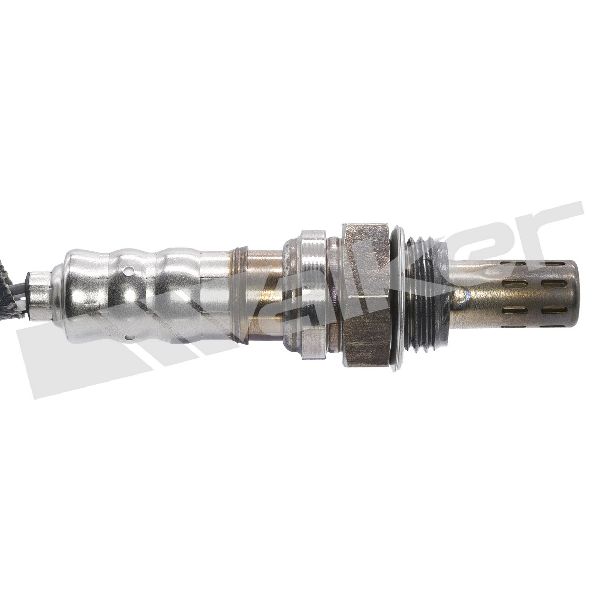
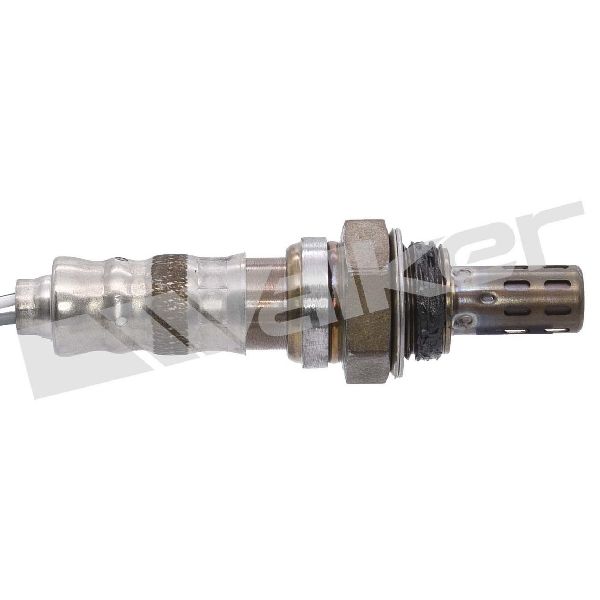
| Quality Aftermarket | Bosch, Delphi, Walker Products | Bosch invented the modern O2 sensor and is a trusted name, though some forum users report that Chrysler vehicles can be picky about them. Delphi is also a known OEM supplier for various manufacturers and is generally a solid choice. Walker is a well-known aftermarket exhaust parts manufacturer. |
| Economy | DriveWire, Global Parts, Crown Automotive | These brands offer a more budget-friendly option. While they can work, they may not have the same longevity or precise calibration as premium brands. They are a viable choice if budget is the primary concern, but be aware that sensor issues can sometimes persist with lower-cost options. |
Known Issues, TSBs, and Recalls

For the 2011-2019 Ram 1500, there are no widespread recalls specifically for oxygen sensor failure. However, some Technical Service Bulletins (TSBs) have been issued for related issues. For example, TSB 25-002-14 was released for some 2010-2012 heavy-duty models regarding an oxygen sensor harness overlay to fix connection issues. TSB 18-017-16 for the 2014 3.0L Diesel model involved a PCM reprogram and potential O2 sensor replacement for various engine performance issues. While these may not apply to all 1500s in the 2011-2019 range, it shows that wiring and software can sometimes be the root cause, not just the sensor itself.
Pro Tip: Check for Other Causes
An O2 sensor code doesn't always mean the sensor itself is bad. The code simply indicates an unusual reading. The problem could be a wiring issue, a vacuum leak, a clogged fuel injector, or an exhaust leak. It's wise to check for these possibilities before replacing the sensor, especially if you've replaced it before and the code returned.
Frequently Asked Questions (FAQ)
How many oxygen sensors does my 2011-2019 Ram 1500 have?
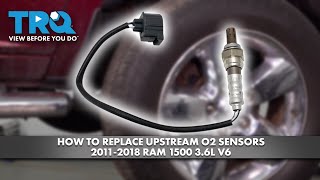
Most V8 and V6 Ram 1500s from this generation have four oxygen sensors. There is one upstream (before the catalytic converter) and one downstream (after the catalytic converter) sensor on each of the two exhaust banks 🎬 Watch: Step-by-step upstream sensor replacement for 3.6L V6 models (driver and passenger side).
What's the difference between an upstream and a downstream O2 sensor?
Upstream sensors (also called Sensor 1) are located before the catalytic converter. They are the primary sensors used by the engine computer to make real-time adjustments to the air-fuel mixture. Downstream sensors (Sensor 2) are located after the catalytic converter and are used to monitor the converter's health and efficiency. A failing upstream sensor has a more immediate impact on engine performance and fuel economy.
Can I clean my old oxygen sensor instead of replacing it?
While some people attempt to clean O2 sensors, it is generally not recommended as a long-term solution. The sensors fail because their internal components wear out or become contaminated over tens of thousands of miles. Cleaning the exterior won't fix an internal failure, and the check engine light will likely return soon. Replacement is the only reliable fix.
Do I need a special tool to replace an O2 sensor?
Yes, a special tool called an oxygen sensor socket is highly recommended. It's a socket with a slot cut down the side to accommodate the sensor's wire. While you might be able to use a standard 22mm or 7/8" wrench, the sensors are often in tight spots and can be very difficult to remove without the proper socket.
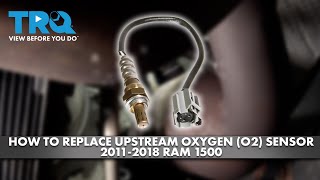
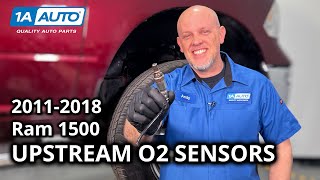
🎬 See this walkthrough for replacing an upstream O2 sensorHelpful Videos
Technical Specifications
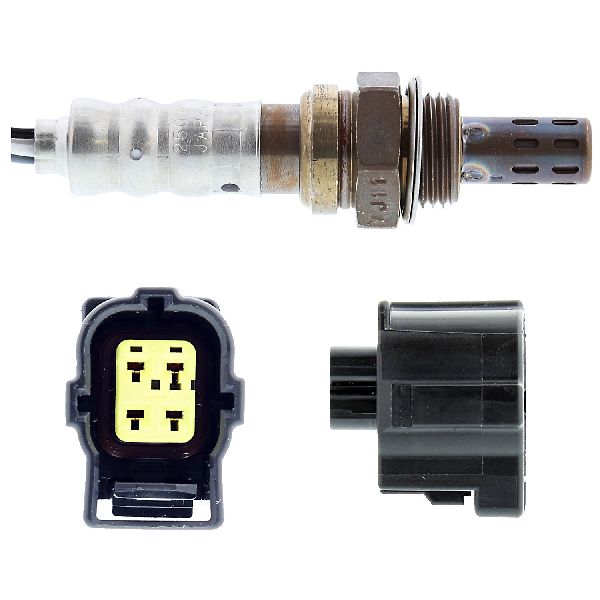
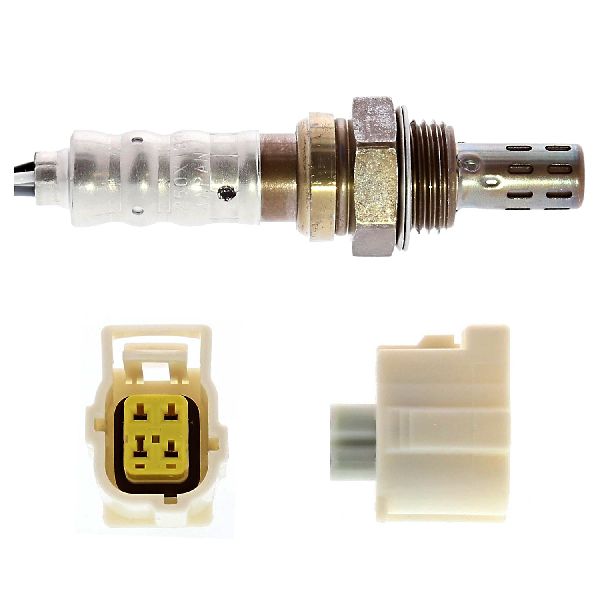
OEM Part Numbers: 5149180AA 68144248AA 5149171AA 7B0906262B
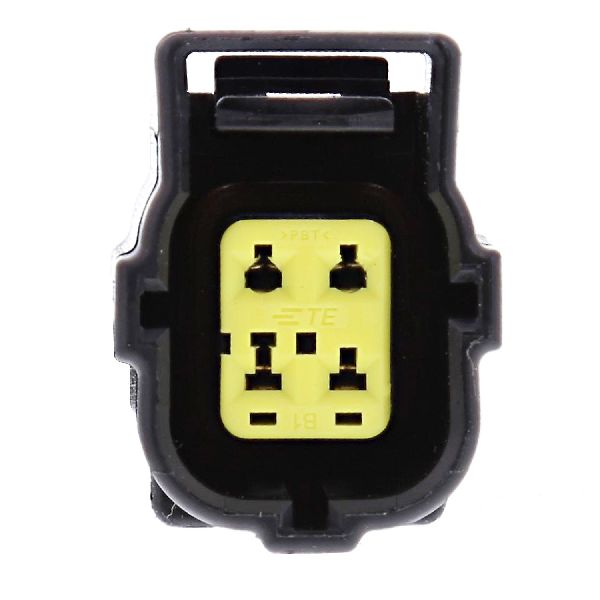
Most 2011-2019 Ram 1500s use four heated oxygen sensors. Two are upstream (pre-catalyst) and two are downstream (post-catalyst). The tool size for removal is typically a 22mm or 7/8" oxygen sensor socket.
We Have This Part in Stock

The information in this article is provided for general reference and educational purposes only. Vehicle specifications, procedures, and part compatibility can vary by production date, trim level, and region. Always consult your vehicle's factory service manual and verify part numbers before purchasing or performing repairs. Safety-critical components such as airbags, seat belts, and braking systems should be installed by a qualified professional.
- Ram 1500: