

A Mechanic's Guide to the 2011-2019 Subaru Outback Accessory Drive Belt
Everything an owner needs to know about the serpentine belt that powers your Outback's essential components.
- The accessory drive belt is critical; if it fails, your Outback will lose power steering, charging, and engine cooling.
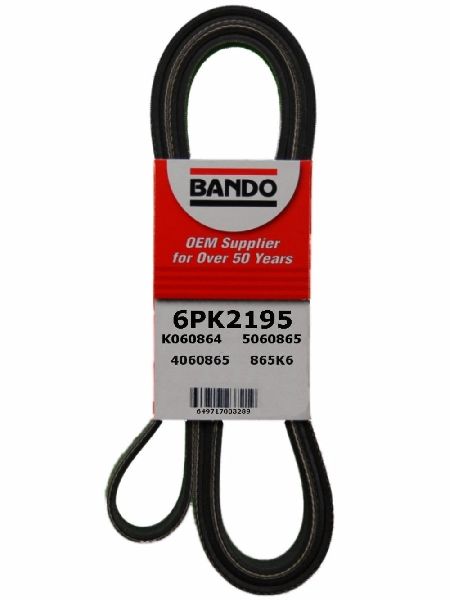
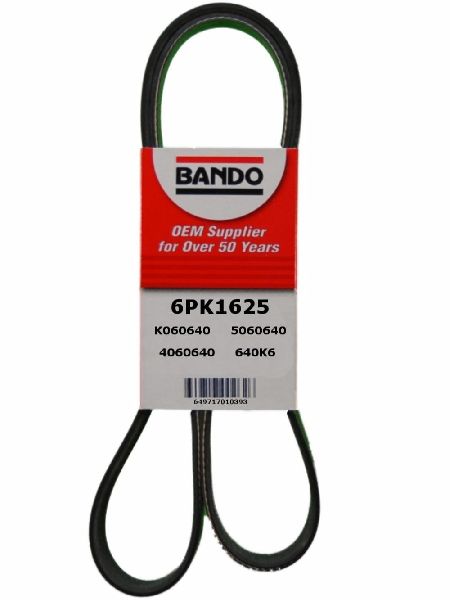
- Bando is a known OEM supplier for Subaru, making their aftermarket belts an excellent value for OEM quality.
- Always inspect the tensioner and idler pulleys when replacing the belt and replace them if they show any signs of wear or noise.
- The 2.5L and 3.6L engines use different belts; ensure you purchase the correct part for your vehicle.
Signs of a Failing Accessory Drive Belt

A failing accessory drive belt will almost always give you a warning sign before it breaks completely. Being aware of these signs can prevent you from being stranded. The most common symptom is a high-pitched squealing or chirping noise from the engine bay, especially when you first start the car or during sharp turns. You might also notice issues with the systems the belt powers: the battery light may come on (alternator issue), the A/C might not blow cold, or the engine temperature may start to rise (water pump issue). A visual inspection can also reveal problems; look for cracks, fraying, glazing, or missing ribs on the belt.
Choosing the Right Aftermarket Belt

When it's time for a replacement, you have a choice between Original Equipment (OEM) and aftermarket belts. For many Japanese vehicles, including Subaru, the original factory belt is often made by a company that also sells to the public under its own name.
OEM vs. Aftermarket Quality
Many Subaru owners and mechanics have noted that Bando is an OEM supplier for Subaru. This means choosing a Bando belt from an aftermarket retailer can get you OEM quality without the dealership price tag. ACDelco is another highly reputable aftermarket brand known for making quality belts that meet or exceed OEM specifications. Both are excellent choices made of durable EPDM rubber designed to resist heat and cracking.
Known Issues, Recalls, or TSBs

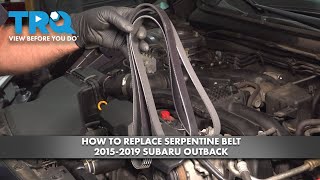
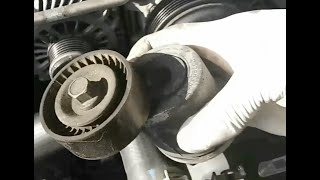
While there are no specific recalls on the accessory drive belt itself for the 2011-2019 Subaru Outback, it's important to be aware of related components. A common cause of belt noise and premature failure is a worn belt tensioner. If you are replacing a noisy or worn belt, it is highly recommended to inspect the tensioner and idler pulleys. If they feel rough when spun by hand or show any wobble, they should be replaced along with the belt to ensure a long-lasting and quiet repair. 🎬 Watch how to replace the belt, tensioner, and pulleys together. No major Technical Service Bulletins (TSBs) related to widespread belt failure were found for this generation, though some exist for specific chirping noises which often point to tensioner or pulley issues.
Cost of Replacing the Accessory Drive Belt
The cost can vary depending on whether you do the job yourself or take it to a shop. The parts themselves are affordable, but labor will add to the final price.
| Item | Estimated Cost |
|---|---|
| New Aftermarket Belt (ACDelco, Bando) | $32.76 - $103.85 |
| New OEM Subaru Belt | $40 - $65 |
| Shop Labor | $100 - $200 |
| Total Professional Replacement | $150 - $250 |
Frequently Asked Questions (FAQ)

How often should I replace my Outback's accessory belt?
Most manufacturers recommend inspecting the belt at every service and replacing it between 60,000 and 100,000 miles as preventative maintenance. However, you should replace it immediately if it shows any signs of wear like cracking or squealing.
Is there a difference between the belt for the 2.5L and 3.6L engine?
Yes, the 2.5L four-cylinder and 3.6L six-cylinder engines use different accessory drive belts. They are not interchangeable. Always confirm you are buying the correct part for your specific engine size.
Can I replace the accessory drive belt myself?
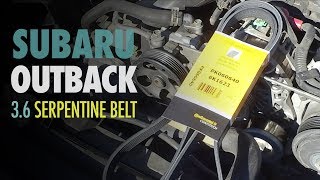
Yes, for many DIYers, this is a manageable job. It requires basic hand tools, including a ratchet or a specific serpentine belt tool to release the tensioner. There are many online videos demonstrating the process for both the 2.5L 🎬 Watch this step-by-step guide for the 2.5L engine. and 3.6L engines. Always make a diagram 🎬 See this walkthrough for replacing the belt on 3.6L models. or take a photo of the belt routing before you remove the old one.
Should I replace the tensioner and pulleys with the belt?
It is highly recommended. A worn tensioner is a common reason for belt noise and can cause a new belt to fail prematurely. If you're already replacing the belt, it's wise to replace the tensioner and idler pulleys at the same time, especially if your vehicle has over 100,000 miles.
Helpful Videos
Technical Specifications
OEM Part Numbers: 23780AA140 (2.5L, 2015-2019) 809221150 (3.6L, 2015-2019) 809221130 (3.6L, 2010-2014)
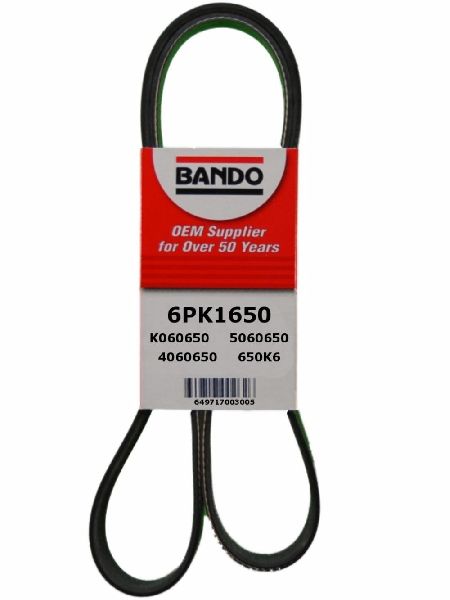
The 2011-2019 Subaru Outback uses a multi-rib (serpentine) belt made of EPDM rubber. The specific length and number of ribs differ between the 2.5L and 3.6L engines. For example, a common belt for the 3.6L is a 6-rib belt (6PK) approximately 1650mm long. Always verify the part number for your specific year and engine.
We Have This Part in Stock


The information in this article is provided for general reference and educational purposes only. Vehicle specifications, procedures, and part compatibility can vary by production date, trim level, and region. Always consult your vehicle's factory service manual and verify part numbers before purchasing or performing repairs. Safety-critical components such as airbags, seat belts, and braking systems should be installed by a qualified professional.
- Subaru Outback: