

Guide to 2011-2019 Subaru Outback Suspension Strut Mounts
Hearing clunks, rattles, or feeling loose steering? Your Outback's strut mounts may need replacement.
- The most common sign of a bad strut mount is a clunking or rattling noise over bumps.
- Always replace strut mounts in pairs and get a wheel alignment immediately after the job is done.
- KYB is a highly recommended aftermarket brand that often matches OEM quality for Subaru vehicles.
- Consider replacing the entire strut assembly (strut, spring, and mount) to save on labor and ensure all related parts are new.
Is It Time for New Strut Mounts on Your Outback?
Strut mounts are made of rubber and metal and wear out over time from constant use and exposure to the elements. For the 2011-2019 Subaru Outback, owners typically start noticing issues around 80,000 to 120,000 miles, though this can vary. Ignoring the symptoms can lead to more expensive repairs and affect your vehicle's safety.
Key Failure Symptoms:
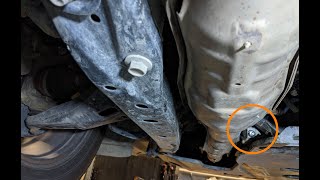
🎬 Watch this video to identify common signs of mount failure.- Clunking or Rattling Noises: This is the most common sign. You'll hear clunking, knocking, or rattling sounds from the front or rear suspension, especially when driving over bumps, potholes, or uneven roads. This noise happens when the rubber insulator wears down, allowing metal parts to make contact.
- Excessive Vibrations: Worn mounts can no longer effectively absorb road vibrations, which you may feel through the steering wheel or the car's floor.
- Steering Problems: You might notice the steering feels loose, stiff, or makes a squeaking or grinding noise when turning at low speeds. This is because the mount contains a bearing that allows the strut to pivot, and when it fails, steering is affected.
- Uneven Tire Wear: A bad strut mount can throw off the vehicle's wheel alignment, causing tires to wear unevenly or prematurely. A wheel alignment is always necessary after replacement.
Known Issues: TSBs and Recalls
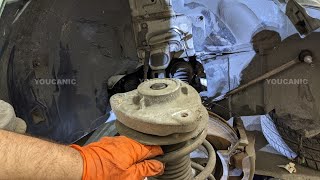
While there are no direct safety recalls for strut mounts on the 2011-2019 Outback, Subaru has issued Technical Service Bulletins (TSBs) for related issues. TSB #05-62-18R notes that surface rust can form on the front strut mount's top retaining nut. While often cosmetic, it's worth inspecting. Another TSB, 04-17-17R, addresses a clunking or rattling noise from the front end on 2015-2019 models, though this specific issue points to the steering rack, not the strut mount. 🎬 See how to fix front end clunking on 5th gen Outbacks. It's important to correctly diagnose the source of any noise, as clunks can also come from sway bar links or control arm bushings.
Choosing the Right Aftermarket Strut Mount
When replacing strut mounts, you have several options. It is highly recommended to replace them in pairs (both front or both rear) to ensure even performance and handling. It's also a good time to inspect the struts themselves and consider replacing them simultaneously, especially on higher-mileage vehicles.
| Brand | Tier & Quality Assessment |
|---|---|
| KYB | Top Tier: KYB is a well-regarded brand and often the original equipment manufacturer (OEM) for many Japanese vehicles, including Subaru. Their mounts are designed to meet or exceed OE specifications, providing excellent fit and performance. This is a trusted choice for a factory-quality repair. |
| Monroe | Mid Tier: Monroe is a well-known aftermarket brand that produces durable suspension components. Their mounts are designed to reduce noise and vibration and are a reliable alternative to OEM parts. Some users report their ride quality is softer but may not last as long as KYB. |
| DEA & Westar | Economy Tier: Brands like DEA and Westar are typically more budget-friendly options. While they will function as needed, they may not offer the same longevity or ride refinement as higher-tiered brands like KYB or Monroe. They can be a suitable choice if the budget is the primary concern. |
Pro Tip: When you replace the strut mounts, it's the perfect time to also replace the struts/shock absorbers, bellows (dust boots), and bump stops. Many mechanics recommend replacing the entire strut assembly, which includes the strut, spring, and mount all in one unit. This can save on labor time and ensures all related components are new.
Frequently Asked Questions (FAQ)
Do I have to replace strut mounts in pairs?
Yes, it is essential to replace strut mounts in pairs (both front or both rear). Replacing only one can lead to unbalanced suspension, uneven handling, and unpredictable steering.
Is a wheel alignment needed after replacing strut mounts?
Yes, a wheel alignment is absolutely necessary. The replacement process disturbs the suspension geometry, and driving without an alignment will cause poor handling and rapid tire wear.
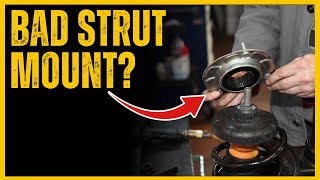
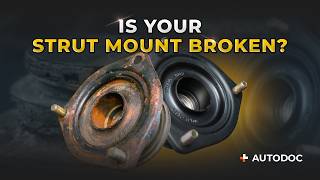
🎬 Learn more about the signs of a faulty strut mount.Can I replace just the mount or should I do the whole strut assembly?
You can replace just the mount, but this requires a special tool (a spring compressor) to safely remove the coil spring, which can be dangerous. For many DIYers and even shops, replacing the complete strut assembly (which includes a new mount) is safer, faster, and ensures all key components are fresh.
What is the difference between a front and rear strut mount on an Outback?
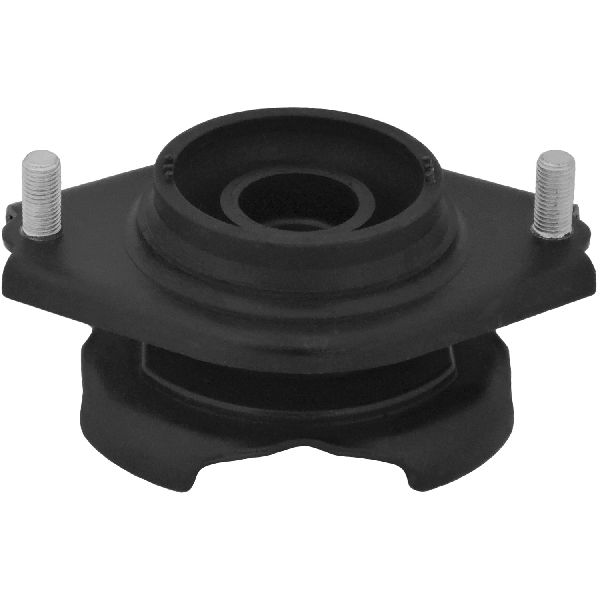
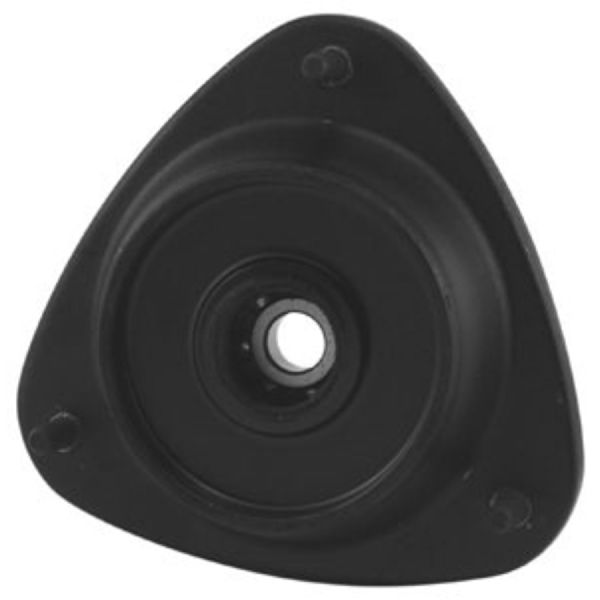
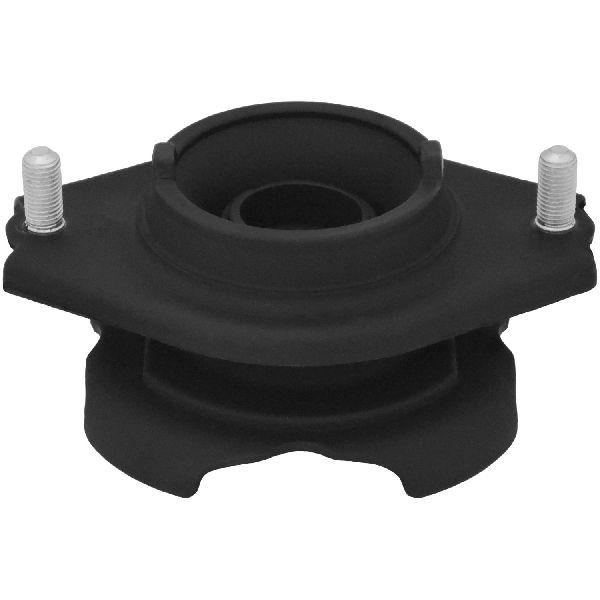
The front strut mounts include a bearing that allows the assembly to pivot as you steer. The rear mounts (technically shock mounts on many Outback models) do not pivot and serve primarily to secure the shock and insulate against noise and vibration. Their designs are different and they are not interchangeable.
Helpful Videos
Technical Specifications
OEM Part Numbers: 20320AJ00C 20370AL10A
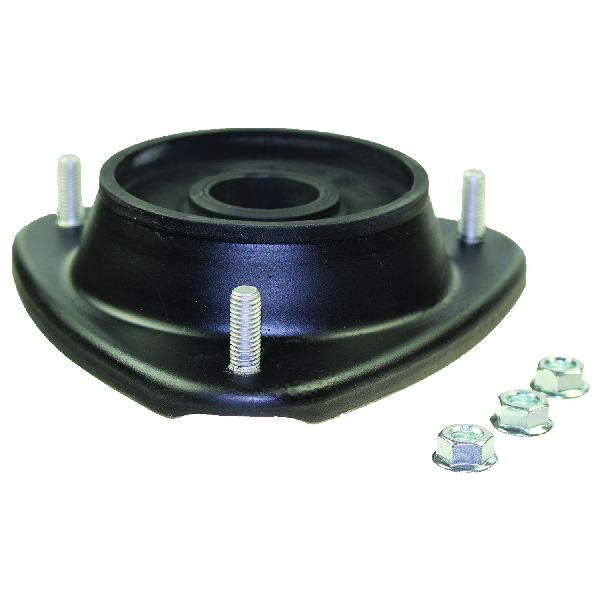
The front strut mount for the 2011-2019 Subaru Outback is a top-hat design that includes an integrated bearing to allow for steering pivot. The rear is a solid rubber and metal mount. Part numbers differ between the 2010-2014 (Gen 4) and 2015-2019 (Gen 5) models.
We Have This Part in Stock


The information in this article is provided for general reference and educational purposes only. Vehicle specifications, procedures, and part compatibility can vary by production date, trim level, and region. Always consult your vehicle's factory service manual and verify part numbers before purchasing or performing repairs. Safety-critical components such as airbags, seat belts, and braking systems should be installed by a qualified professional.
- Subaru Outback: