

Toyota 4Runner Accessory Drive Belt Guide: 2011-2019
Learn to spot the signs of a failing serpentine belt on your 4Runner and choose the best replacement part.
- A squealing noise from the engine is the earliest and most common sign of a worn accessory belt.
- Aftermarket brands like Mitsuboshi and Bando are often the OEM suppliers for Toyota, offering the same quality as a genuine part for less money.
- If the belt breaks completely, your 4Runner will lose power steering, stop charging the battery, and overheat, making it undrivable.
- When replacing the belt, always inspect the idler pulleys and tensioner for noise or roughness to avoid future problems.
Is Your 4Runner's Accessory Belt Failing?
The accessory drive belt is a critical maintenance item that typically lasts between 50,000 and 100,000 miles. On the 2011-2019 Toyota 4Runner, the 4.0L V6 engine is known for its reliability, but the rubber belt is a wear-and-tear part that will eventually need replacement. Ignoring the warning signs can leave you stranded.
Key Symptoms of a Worn Belt
- Squealing Noises: A high-pitched squeal or chirp from the front of the engine, especially on cold starts or when turning the steering wheel, is the most common sign of a slipping belt.
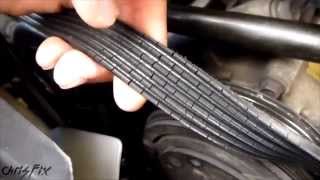
- Visible Damage: A visual inspection can reveal a lot. Look for cracks, frayed edges, missing ribs, or a glazed, shiny appearance on the belt's surface.
- Accessory Problems: If your lights start to dim, the battery warning light comes on, the A/C blows warm air, or steering becomes difficult, the belt may not be properly powering the accessories.
- Overheating: Since the belt drives the water pump, a failing or broken belt will cause the engine to overheat quickly.
Choosing the Right Aftermarket Belt
When shopping for a replacement accessory belt, you have two main choices: genuine OEM (Original Equipment Manufacturer) from a Toyota dealer or an aftermarket part. For the 4Runner, the quality difference is not as simple as you might think.
- OEM Belts: The genuine Toyota belt (Part No. 90916-A2015) is guaranteed to fit and perform correctly.
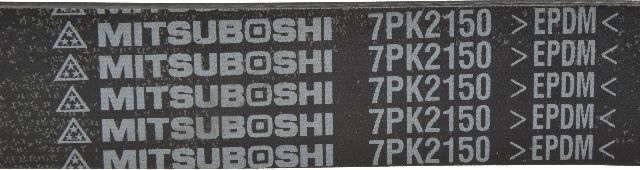
- Aftermarket Belts: Quality can vary, but many aftermarket brands are actually the OEM supplier for Toyota. Brands like Bando and Mitsuboshi are known to manufacture the belts that go into the Toyota packaging. Choosing one of these brands often gets you the exact same quality as OEM for a lower price.
Accessory Drive Belt Replacement Cost for 2011-2019 4Runner
The cost to replace the accessory drive belt depends on whether you do it yourself or use a professional mechanic. The job is considered DIY-friendly for those with basic tools.
| Part Type | Part Cost | Shop Labor Cost | Total Estimated Cost |
|---|---|---|---|
| New OEM | $48 - $71 | $60 - $100 | $108 - $171 |
| New Aftermarket (Mitsuboshi) | $55 - $56 | $60 - $100 | $115 - $156 |
Frequently Asked Questions (FAQ)
Is an accessory belt the same as a serpentine belt?
Yes. The terms accessory belt, drive belt, and serpentine belt all refer to the same part on the 2011-2019 4Runner. It's called a serpentine belt because of the snake-like path it takes around the different engine pulleys.
How hard is it to replace the 4Runner's accessory belt myself?
It is a relatively easy DIY job. The main tool required is a 14mm socket on a long ratchet or breaker bar to release the automatic tensioner. The most challenging part is often feeding the new belt around the fan and ensuring it is correctly seated on all the pulleys 🎬 Watch: Step-by-step guide to replacing your 4Runner's serpentine belt. in the tight engine bay.
Are there any recalls for the 4Runner's accessory belt?
No. Searches of the National Highway Traffic Safety Administration (NHTSA) database and other sources show no specific recalls or Technical Service Bulletins (TSBs) for the accessory drive belt system on the 2011-2019 Toyota 4Runner.
Should I replace the tensioner and pulleys with the belt?
It is not required, but it is highly recommended to inspect them. While the engine cover and belt are off, spin each of the idler pulleys by hand. If you hear any grinding noises or feel roughness, the pulley bearing is failing and should be replaced. Replacing these components at the same time as the belt can save you from doing the same job twice.
🎬 See how to replace the tensioner and idler pulleys yourself.Helpful Videos

Technical Specifications
OEM Part Numbers: 90916-A2015 99367h2150
This is a single, multi-ribbed (or 'V-ribbed') belt that drives all engine accessories. The 4.0L V6 uses an automatic belt tensioner, so no manual adjustment is needed.
We Have This Part in Stock

The information in this article is provided for general reference and educational purposes only. Vehicle specifications, procedures, and part compatibility can vary by production date, trim level, and region. Always consult your vehicle's factory service manual and verify part numbers before purchasing or performing repairs. Safety-critical components such as airbags, seat belts, and braking systems should be installed by a qualified professional.
- Toyota 4Runner: