

A Deep Dive into Suspension Control Arm Bushings for the 2011-2019 Toyota 4Runner
If your 4Runner has developed clunks, steering wander, or vibrations, your control arm bushings could be the culprit.
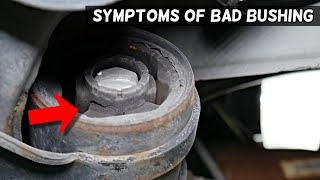
- Symptoms include clunking noises, steering wander, vibrations, and uneven tire wear.
- Replacing the entire control arm is often easier than pressing out old bushings due to rust and seized bolts.
- Polyurethane bushings (e.g., Nolathane) are a durable upgrade for off-road use but may increase ride harshness.
- A wheel alignment is mandatory after this repair to prevent tire damage and ensure safe handling.
Is Your 4Runner's Suspension Trying to Tell You Something?

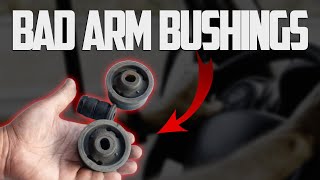
The control arm bushings on the 2011-2019 Toyota 4Runner are tough, but they don't last forever. As the original rubber wears out, it can cause a number of noticeable problems. Because these bushings are so important for alignment and stability, ignoring the symptoms can lead to poor handling and accelerated tire wear.
Common Symptoms of Worn Bushings:
- Clunking or Knocking Noises: You may hear a distinct clunk or rattle from the front suspension when driving over bumps, braking, or accelerating. This is often caused by metal-on-metal contact as the worn bushing allows for excessive movement.
- Steering Wheel Vibration: Worn bushings can no longer effectively dampen road vibrations, leading to a shaky steering wheel. 🎬 Watch: A mechanic's guide to diagnosing front-end steering vibrations. This can be more pronounced when hitting bumps or applying the brakes.
- Loose or Wandering Steering: The steering may feel less precise, or you might find yourself constantly correcting the wheel to keep the 4Runner driving straight. This indicates play in the suspension caused by the failing bushings.
- Uneven Tire Wear: This is a classic sign of bad bushings. When the bushings fail, wheel alignment is compromised, often causing the inside or outside edges of your tires to wear down much faster than the rest of the tread.
Bushing-Only vs. Full Control Arm Replacement
While you can buy just the bushings, replacing them is a difficult job. It requires a hydraulic press to remove the old bushings and install the new ones. More importantly, the alignment cam bolts that hold the control arm to the frame are notorious for seizing with rust, especially in northern climates. Most shops and experienced DIYers recommend replacing the entire control arm assembly. This gives you new bushings and a new ball joint, saving significant time and preventing the headache of dealing with seized bolts.
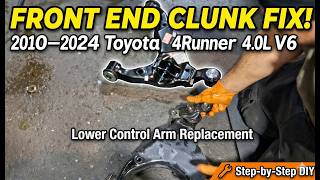
🎬 See this step-by-step guide to replacing your lower control arms.Choosing the Right Aftermarket Bushing Brand

When shopping for aftermarket parts, you'll find several options that fit your 4Runner. They generally fall into three categories:
Standard Replacement (Good)
These brands aim to provide performance similar to the original factory parts. They are a reliable choice for daily driving and restoring the original ride quality.
- Moog: A well-known name in suspension parts, Moog is a common choice for a standard, reliable replacement.
- Delphi: As a major OEM supplier for many car manufacturers, Delphi offers aftermarket parts designed to meet factory specifications.
Economy (Value)
These brands offer a budget-friendly solution. While the initial cost is lower, some owner feedback suggests that long-term durability can be a concern compared to standard or performance options.
- Dorman: Often seen as a value-oriented factory replacement. However, some users in truck forums have reported issues with premature wear and quality on similar applications.
- Mevotech: Another economy option. Reviews are mixed, with some users satisfied while others report premature failure of the rubber bushings within 30,000 miles.
Performance Upgrade (Better/Best)
For those who use their 4Runner for off-roading or want enhanced handling, upgrading to polyurethane bushings is a popular choice.
- Nolathane: This brand specializes in polyurethane bushings. Polyurethane is a much tougher material than OEM rubber, offering superior durability and resistance to road salt, oils, and abrasion. The trade-off is a firmer ride and a potential increase in road noise and vibration (NVH) felt in the cabin.
Known Issues, Recalls, and Service Bulletins

For the 2011-2019 4Runner, there are no widespread recalls or Technical Service Bulletins (TSBs) for premature control arm bushing failure. However, a few related items are worth noting:
- NHTSA Campaign 19V670000: This recall affected a small number of 2018-2019 4Runners where steering and suspension components may not have been properly tightened at a port-of-entry facility.
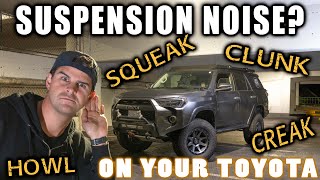
- TSB T-SB-0094-20: Some 2019-2020 TRD Pro models could exhibit a knocking noise from the front shocks in cold weather, which could be mistaken for a bushing issue. 🎬 Watch: How to identify common Toyota suspension noises and causes.
| Part/Service | Estimated Cost |
|---|---|
| New Aftermarket Bushing Kit | $28 - $145 |
| New OEM Bushing (Single) | $105+ |
| New Aftermarket Control Arm Assembly (Pair) | $250 - $450+ |
| Shop Labor (Bushings or Arms) | $220 - $325 |
| Total Professional Replacement (Aftermarket) | $450 - $775+ |
Pro Tip: An alignment is absolutely necessary after replacing control arm bushings or the control arms themselves. Failure to do so will result in poor handling and will quickly ruin your tires.
Frequently Asked Questions

Can I replace just the bushing, or do I need the whole control arm?
You can replace just the bushing, but it requires a special press and can be very difficult due to rust, especially on the alignment bolts. For most owners, replacing the complete control arm assembly is the more practical and time-efficient repair.
Do I need an alignment after replacing the bushings?
Yes, a full four-wheel alignment is required. The control arm bushings are a key part of your suspension's geometry, and replacing them will alter your vehicle's alignment settings.
What's the difference between rubber and polyurethane bushings?
OEM-style rubber bushings provide a softer, quieter ride by absorbing more vibration. Polyurethane bushings (like those from Nolathane) are much more durable and provide a firmer, more responsive handling feel, but they may transmit more road noise and vibration into the cabin.
Should I replace bushings on both sides at the same time?
Yes. Suspension components should always be replaced in pairs (left and right). If the bushing on one side has failed due to age and wear, the other side is likely not far behind. Replacing both ensures balanced handling and predictable performance.
Helpful Videos
Technical Specifications
OEM Part Numbers: 4806135011
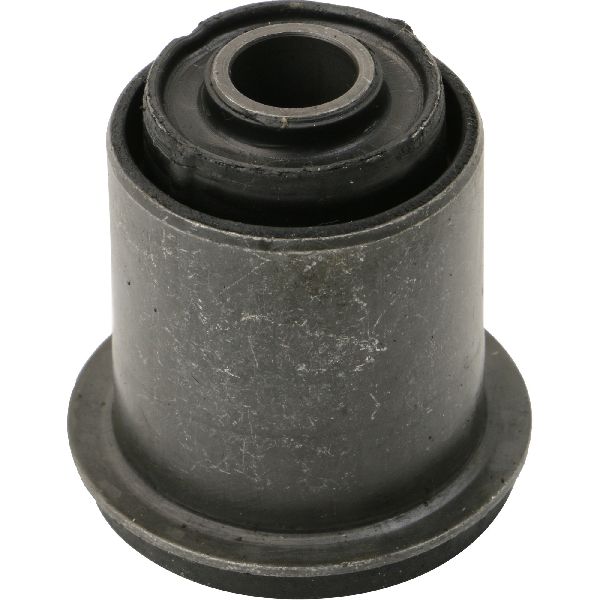
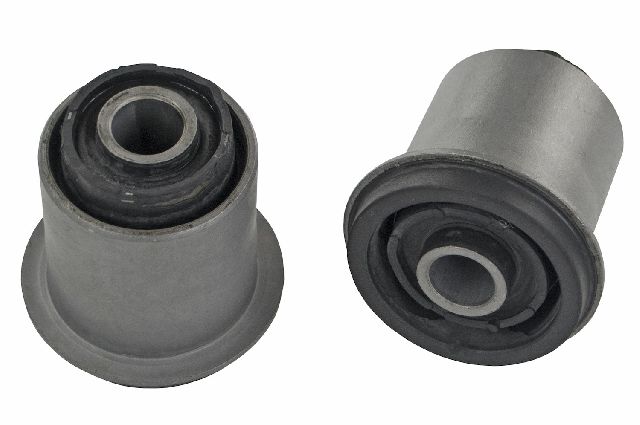
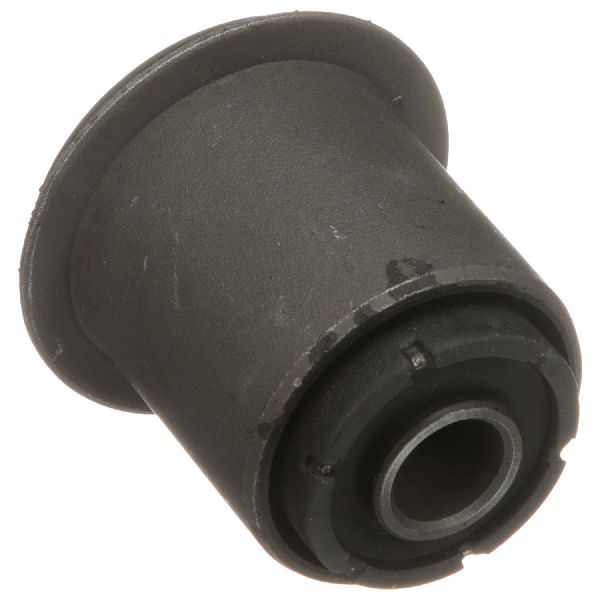
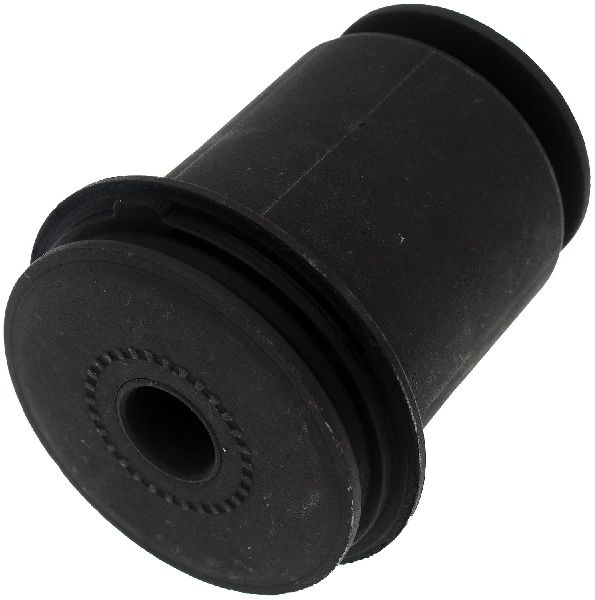
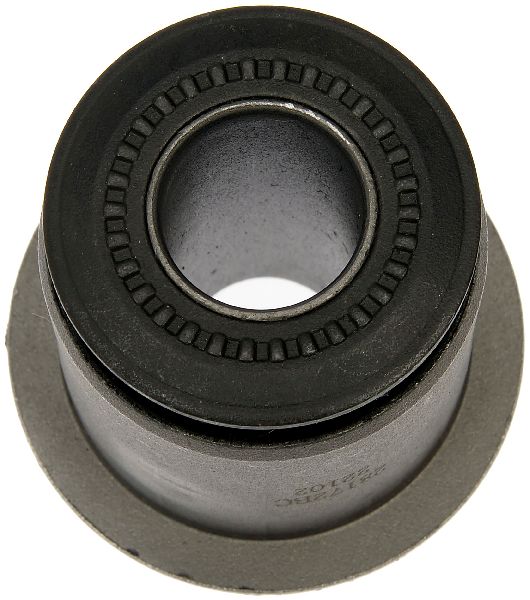
The 2011-2019 Toyota 4Runner uses pressed-in bushings for the front lower control arms. The control arms attach to the frame via two bushings and connect to the steering knuckle via a ball joint. The alignment is adjusted using eccentric cam bolts that pass through the bushings.
We Have This Part in Stock

The information in this article is provided for general reference and educational purposes only. Vehicle specifications, procedures, and part compatibility can vary by production date, trim level, and region. Always consult your vehicle's factory service manual and verify part numbers before purchasing or performing repairs. Safety-critical components such as airbags, seat belts, and braking systems should be installed by a qualified professional.
- Toyota 4Runner:
- 🎬 Helpful Videos
- 🛍️ Shop This Part
- Is Your 4Runner's Suspension Trying to Tell You Something?
- Common Symptoms of Worn Bushings:
- Bushing-Only vs. Full Control Arm Replacement
- Choosing the Right Aftermarket Bushing Brand
- Standard Replacement (Good)
- Economy (Value)
- Performance Upgrade (Better/Best)
- Known Issues, Recalls, and Service Bulletins
- Frequently Asked Questions
- 🎟️ Get 5% Off