

A Guide to the Engine Oil Cooler for the 2011-2020 Audi A4
Understanding oil cooler failure is key to preventing major engine damage in your A4.
- The most critical sign of failure is milky, sludgy coolant in the reservoir, which means oil and coolant are mixing.
- If you see signs of mixed fluids, do not drive the vehicle to prevent catastrophic engine damage.
- Due to the high risk of internal failure, it is always recommended to replace the entire oil cooler, not just the gaskets.
- This is a common failure on Audi 2.0T engines; using a quality aftermarket part is a cost-effective and reliable repair strategy.
Is Your Audi A4 Engine Oil Cooler Failing?


The most common and severe failure for the Audi A4 oil cooler is when it breaks down internally. This allows engine oil and coolant to mix. This is a serious problem that can lead to catastrophic engine damage if not addressed immediately. You should stop driving the car as soon as you notice this issue.
Critical Symptoms of Internal Failure
- Oil in the Coolant: The coolant in the expansion tank will look milky, like a chocolate milkshake, or have a dark, oily sludge on top. This is the most common sign.
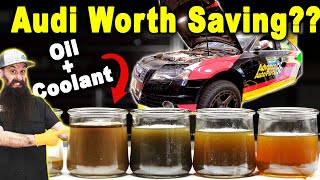
- Coolant in the Oil: The engine oil will look milky or frothy. You can see this on the oil dipstick or the underside of the oil filler cap. This is extremely dangerous as it ruins the oil's ability to lubricate the engine. 🎬 Watch: See what happens when coolant mixes into Audi oil.
Other Symptoms
- External Leaks: You may see engine oil or pink/purple G12/G13 coolant dripping from the area around the oil filter housing, which is where the cooler is located.
- Engine Overheating: If the cooler is clogged or leaking significantly, it can contribute to the engine running hotter than normal.
- Low Oil or Coolant Levels: A leaking cooler can cause you to lose either fluid over time.
Choosing a New Aftermarket Oil Cooler

When replacing your A4's oil cooler, you have options. The original Audi part (OEM) is available, but quality aftermarket parts offer a more affordable solution. For a component like this, where the original is known to fail, an aftermarket part from a reputable brand is a reliable choice.
Aftermarket Brand Options
For the 2011-2020 Audi A4, several brands offer direct-fit replacement oil coolers. These are designed to install just like the original part.
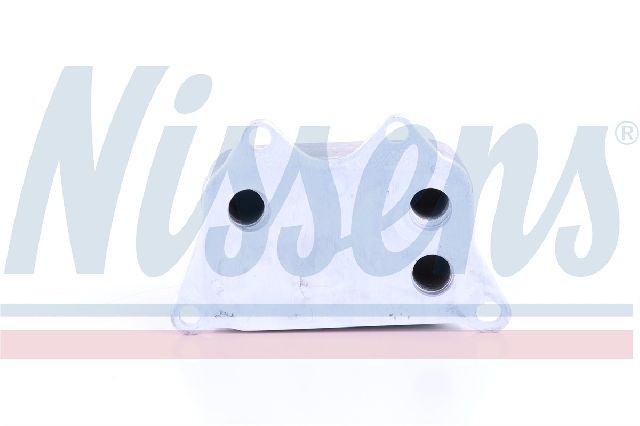
- Nissens: A well-regarded European manufacturer of aftermarket cooling system parts. Nissens is known for producing quality components that are a dependable alternative to OEM.
- Vemo: Another brand offering a range of electronic and engine components for European vehicles, providing a solid replacement option.
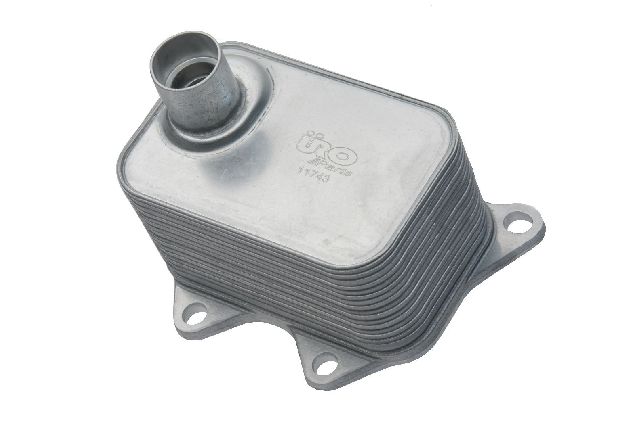
- URO Parts: Often the most budget-friendly choice. URO Parts provides a functional replacement that meets original specifications. They also offer a "URO Premium" line for some parts, which aims to improve upon the original design, though availability varies.
A Note on Derale Coolers
Brands like Derale typically produce universal, high-performance oil coolers. These are not direct-fit replacements for your Audi A4. They are air-to-oil systems that require custom mounting and plumbing, intended for specialized performance applications, not for a standard repair.
Cost of Replacing Your Audi A4 Oil Cooler
The total cost depends on whether you do the job yourself (DIY) or take it to a repair shop. If oil and coolant have mixed, the repair will be more expensive because both the oil system and cooling system will need to be thoroughly flushed.
| Part/Service | Estimated Cost |
|---|---|
| New OEM Part | $209 - $444 |
| New Aftermarket Part | $71 - $151 |
| Shop Labor | $512 - $752 |
| Total Professional Repair (Aftermarket Part) | $580 - $900+ |
Frequently Asked Questions (FAQ)

Is there a recall on the Audi A4 engine oil cooler?
No, there are no specific recalls issued by the NHTSA for the engine oil cooler on the 2011-2020 Audi A4. The issue is considered a part failure due to age and wear.
Can I just replace the gaskets instead of the whole cooler?
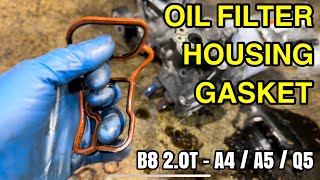
If you only have an external leak from a gasket, you might be able to replace just the seal. However, the most common and dangerous failure is internal. Because of the high risk and the amount of labor required to access the part, it is strongly recommended to replace the entire oil cooler assembly. A new cooler ensures you won't have to do the job again if the old unit fails internally shortly after a gasket replacement.
What else should I replace at the same time?
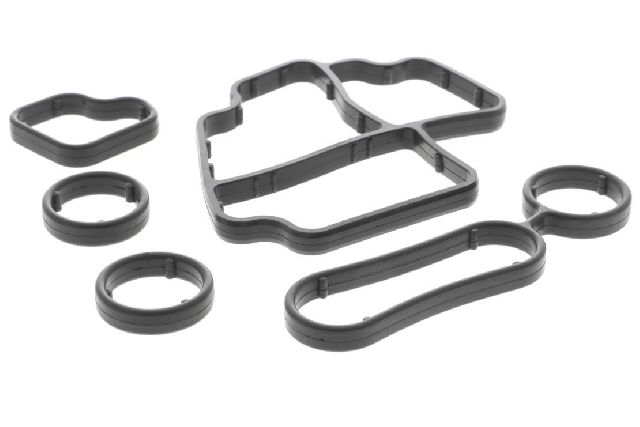
Since the job requires draining fluids and accessing a tight area, it's a good time to consider other nearby service items. Many owners and mechanics recommend replacing the water pump if it's old, as it is located nearby. You will also need new engine oil, an oil filter, and the correct type of Audi-specified coolant (G12 or G13). Always use new gaskets and seals for the oil cooler itself.
Is this a difficult DIY job?
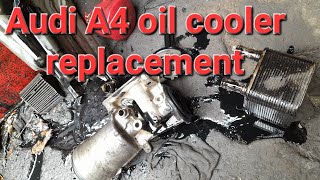
For an experienced DIY mechanic, this is a manageable job that can take a few hours. However, access is very tight. While some guides suggest removing the intake manifold, a common shortcut involves removing the alternator to gain access. 🎬 Watch: The easy way to replace the B8 oil cooler. The job requires draining both oil and coolant, and you must be careful not to strip bolts in the tight space. If you are not comfortable with this level of work, it is best left to a professional.
Why are there different part numbers for my year range?
The 2011-2020 span covers two different generations of the Audi A4 (the B8/B8.5 and B9). The engine and its components were updated, so the oil cooler is different. For example, part number 06J117021Q is often used for B8 models (up to 2016), while 06L117021G is for B9 models (2017+). 🎬 See this walkthrough for removing the B9 oil cooler housing. It is critical to use your vehicle's specific information to order the correct part.
Helpful Videos
Technical Specifications
OEM Part Numbers: 06J117021Q 06J117021J 06J117021D 06L117021G 06L117021E
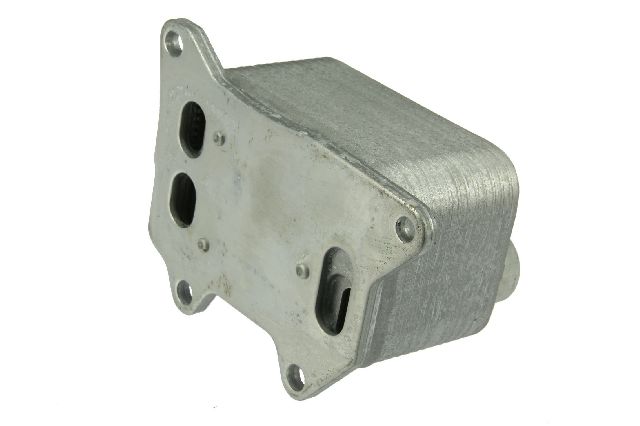
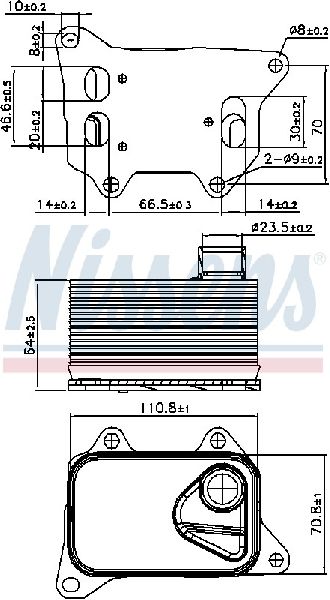
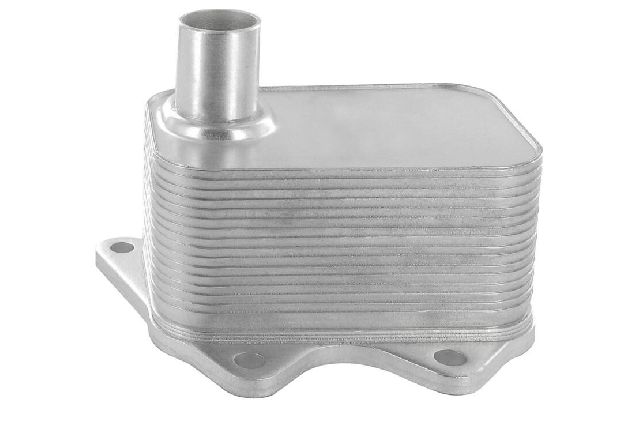
The Audi A4 uses a liquid-to-liquid plate-style heat exchanger that is integrated with the oil filter housing. Part numbers differ between the B8 generation (2011-2016) and B9 generation (2017-2020), so verifying fitment is essential.
We Have This Part in Stock

The information in this article is provided for general reference and educational purposes only. Vehicle specifications, procedures, and part compatibility can vary by production date, trim level, and region. Always consult your vehicle's factory service manual and verify part numbers before purchasing or performing repairs. Safety-critical components such as airbags, seat belts, and braking systems should be installed by a qualified professional.
- Audi A4:
- 🎬 Helpful Videos
- 🛍️ Shop This Part
- Is Your Audi A4 Engine Oil Cooler Failing?
- Critical Symptoms of Internal Failure
- Other Symptoms
- Choosing a New Aftermarket Oil Cooler
- Aftermarket Brand Options
- A Note on Derale Coolers
- Cost of Replacing Your Audi A4 Oil Cooler
- Frequently Asked Questions (FAQ)
- 🎟️ Get 5% Off