

Audi A4 Engine VVT Solenoid Guide: 2011-2020
A complete guide to understanding, diagnosing, and replacing the Engine VVT Solenoid on your 2011-2020 Audi A4.
- VVT solenoid failure is common and usually caused by dirty engine oil.
- Symptoms include a check engine light, rough idle, and poor performance.
- The part is different for 2011-2016 and 2017-2020 models; verify your part number.
- For long-term reliability on an Audi, choosing an OEM or reputable aftermarket brand is recommended over budget options.
Understanding VVT Solenoid Failure in Your A4

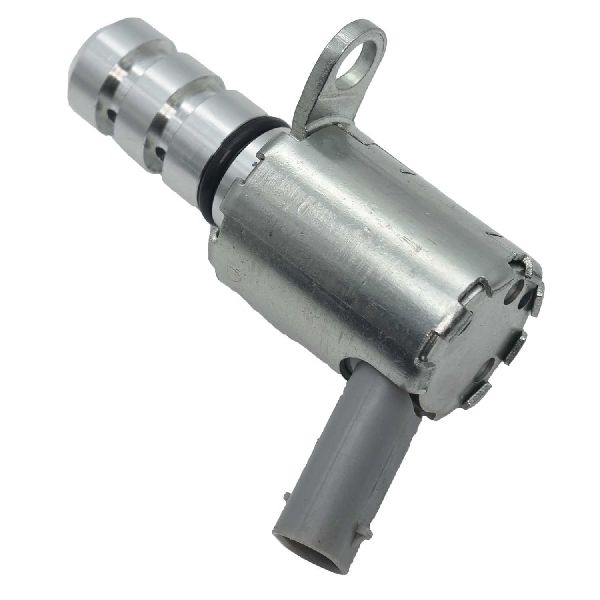
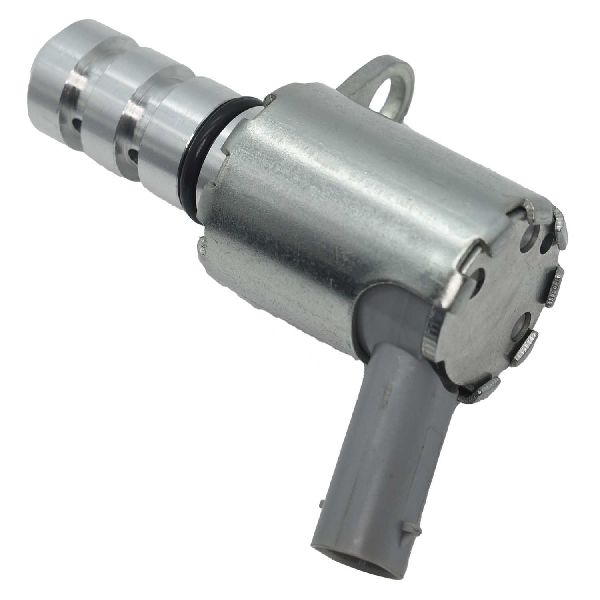
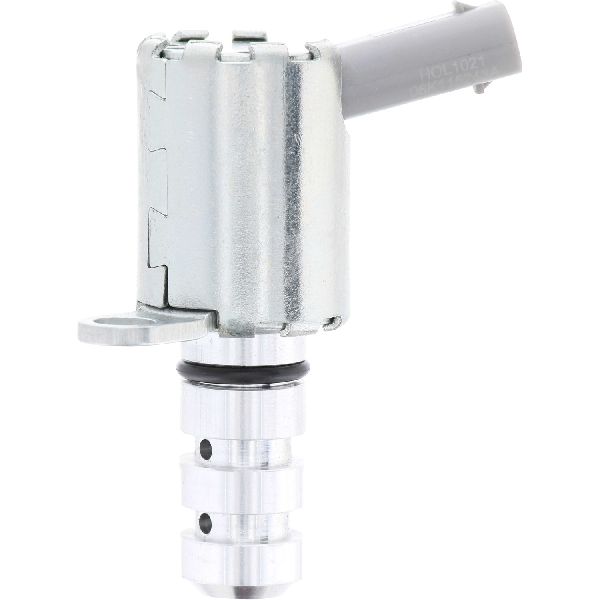
The VVT solenoid, also known as a camshaft adjuster magnet, is a common failure point on many modern engines, including the 2.0T engine in the 2011-2020 Audi A4. The number one cause of failure is contaminated or old engine oil. Over time, sludge and debris can clog the fine mesh screens and internal passages of the solenoid, causing it to stick or respond slowly. This prevents it from accurately controlling oil flow, leading to incorrect camshaft timing.
Key Symptoms of a Failing VVT Solenoid

A bad VVT solenoid can cause a range of noticeable engine problems. The most common sign is a Check Engine Light on your dashboard. Other symptoms include:
- Rough Idle: The engine may shake or feel unstable when stopped.
- Poor Performance: You might experience sluggish acceleration or a general loss of power.
- Reduced Fuel Economy: If the engine timing is stuck in a performance-oriented position, your gas mileage will suffer.
- Engine Noise: A rattling or ticking sound from the top of the engine, especially during startup or acceleration, can point to a VVT system issue.
- Stalling: In some cases, the engine may hesitate or stall at low speeds.
Generation-Specific Parts: A Common Mistake
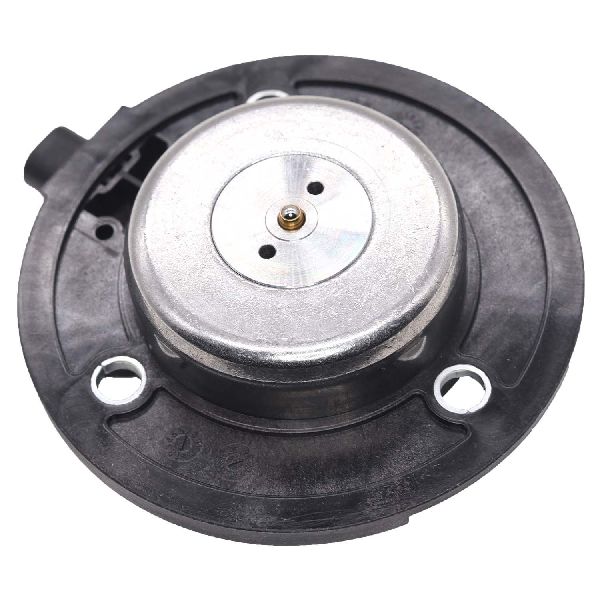
The VVT solenoid for the Audi A4 changed between generations. The B8/B8.5 models (roughly 2011-2016) and the B9 models (2017-2020) use different parts. Always verify the correct OEM part number for your specific year before purchasing.
- 2011-2016 (B8/B8.5): Common part number is 06H109257C.
- 2017-2020 (B9): Common part number is 06L109259A or 06L109259D.
Choosing an Aftermarket VVT Solenoid: Good, Better, Best

When it comes to electronic parts on a German vehicle, quality matters. While budget-friendly options exist, they often lead to premature failure, forcing you to do the job twice.
Good: Economy Brands (Use with Caution)
Brands like Dorman, Global Parts, or other unbranded parts found on marketplaces offer a low price point. However, their quality can be inconsistent for electronic components like solenoids. These may be a temporary fix, but long-term reliability is not guaranteed. Many professional mechanics advise against using these on European vehicles.
Better: Reputable Aftermarket Brands
Brands such as Standard Ignition (SMP), Gates, Walker Products, and Holstein have a stronger reputation for quality and reliability. They engineer parts to meet or exceed original specifications and are a solid choice for owners looking for a balance between cost and quality.
Best: OEM or OE-Supplier
For maximum peace of mind, the original Audi part (OEM) is the benchmark. An equivalent option is to buy from an OE (Original Equipment) supplier like VDO. These parts are often identical to the dealer part, just sold in a different box. For a critical component like the VVT solenoid, spending more on a high-quality part is a wise investment.
Pro Tip: It Might Just Be the Seal
Sometimes, the solenoid itself is functional, but the rubber O-ring seal has hardened and is causing an oil leak. If you only have an external oil leak but no performance issues, you may be able to replace just the seal. However, if you are removing the solenoid, it is often wise to replace the entire unit, as a new one comes with a fresh seal.
Cost Breakdown for Audi A4 VVT Solenoid Replacement

| Part Type | Part Cost | Shop Labor Cost | Estimated Total Cost |
|---|---|---|---|
| New Aftermarket | $34 - $119 | $100 - $190 | $134 - $309 |
| New OEM | $150 - $300+ | $100 - $190 | $250 - $490+ |
| DIY Replacement | $34 - $300+ (Part Only) | $0 | $34 - $300+ |
*Cost estimates are based on typical market pricing and may vary by location and supplier. OEM part prices can be significantly higher at dealerships.
Frequently Asked Questions (FAQ)
Can I clean my old VVT solenoid instead of replacing it?
While some people attempt to clean VVT solenoids with brake cleaner or other solvents, it is often a temporary fix. The internal components can wear out, and cleaning won't fix an electrical failure. Given the low cost of an aftermarket part and the labor involved to access it, replacement is almost always the better option.
Is this a difficult DIY job?
For a moderately experienced DIYer, this is a very manageable job. The solenoid is usually located on the top or side of the cylinder head and held in by just one or two Torx bolts. The main challenges are accessing the part, which may require removing an engine cover, and being careful not to drop the small bolts into the engine bay.
Are there any recalls for the VVT solenoid on the 2011-2020 A4?
No, there are no specific recalls or widespread Technical Service Bulletins (TSBs) from Audi for VVT solenoid failure on this generation of A4. Failure is considered a result of normal wear and tear or maintenance issues, not a manufacturing defect.
How can I prevent my new VVT solenoid from failing?
The best way to protect your VVT system is with regular oil changes using a high-quality, Audi-approved synthetic oil. Since oil sludge is the primary killer of these solenoids, clean oil is the best prevention.
Helpful Videos
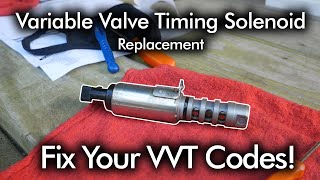

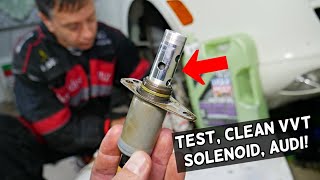
Technical Specifications
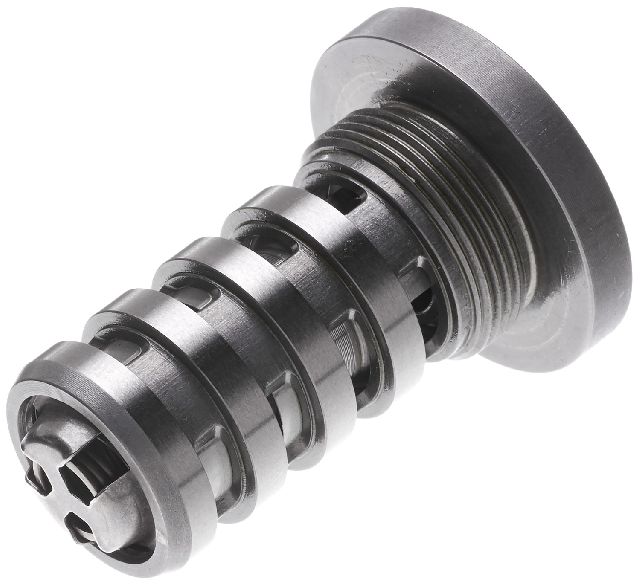
OEM Part Numbers: 06H109257C 06L109259A 06L109259D
This is an electronically controlled solenoid valve that uses a 12V signal. It is sealed with a rubber O-ring and typically held in place by one or two Torx bolts. There are different versions for the B8.5 and B9 chassis.
We Have This Part in Stock


The information in this article is provided for general reference and educational purposes only. Vehicle specifications, procedures, and part compatibility can vary by production date, trim level, and region. Always consult your vehicle's factory service manual and verify part numbers before purchasing or performing repairs. Safety-critical components such as airbags, seat belts, and braking systems should be installed by a qualified professional.
- Audi A4:
- 🎬 Helpful Videos
- 🛍️ Shop This Part
- Understanding VVT Solenoid Failure in Your A4
- Key Symptoms of a Failing VVT Solenoid
- Generation-Specific Parts: A Common Mistake
- Choosing an Aftermarket VVT Solenoid: Good, Better, Best
- Pro Tip: It Might Just Be the Seal
- Cost Breakdown for Audi A4 VVT Solenoid Replacement
- Frequently Asked Questions (FAQ)
- 🎟️ Get 5% Off