

A Guide to the Fuel Pressure Sensor for the 2011-2020 Audi A4
Experiencing stalling or power loss? Your fuel pressure sensor could be the culprit.
- Your 2011-2020 A4 has both a high-pressure and low-pressure fuel sensor; diagnosis is needed to know which has failed.
- Symptoms like stalling, power loss, and a rough idle are common and can indicate a serious problem.
- A recall exists for a fuel pump component on 2015-2020 models that can cause a fuel leak; check with a dealer.
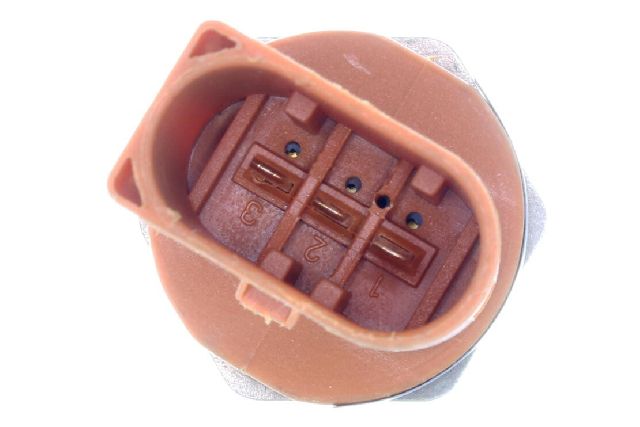
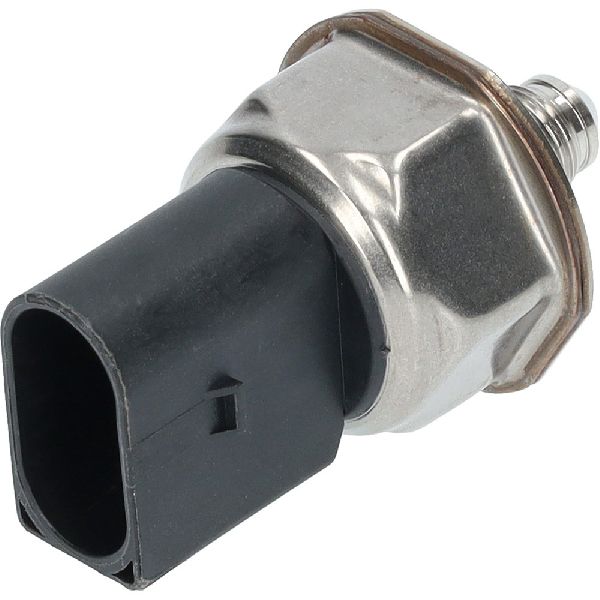
- For electronic sensors on this vehicle, choosing a high-quality aftermarket brand like Standard Ignition is recommended over budget options to ensure reliability.
Understanding Fuel Pressure Sensor Failure in Your A4
When a fuel pressure sensor on your 2011-2020 Audi A4 begins to fail, it sends incorrect information to your car's main computer. This can trick the engine into thinking it has too much or too little fuel pressure. The result is often poor engine performance, making your car feel unreliable. Common fault codes associated with this issue include P0087 (Fuel Rail/System Pressure - Too Low) and P0191 (Fuel Rail Pressure Sensor Circuit Range/Performance).
Important Fuel System Recall
There is a recall (NHTSA Campaign Number: 24V110000, Audi code: 20YF) for certain 2015-2020 Audi models, including the A4. The issue involves a suction jet pump inside the fuel tank that can fail, potentially causing a fuel leak. A fuel leak creates a fire risk. Symptoms can include a fuel smell or fuel spilling when refueling. Contact an Audi dealership to see if your vehicle is affected.
Symptoms of a Bad Fuel Pressure Sensor
A failing fuel pressure sensor can make itself known in several ways. You might not experience all of them, but even one can signal a problem.
- Check Engine Light: This is often the first sign. The light will be triggered by fault codes related to fuel pressure.
- Engine Stalling: The engine may stall unexpectedly, sometimes while driving or when idling at a stop. This can be a serious safety hazard.
- Loss of Power & Hesitation: Your A4 may feel sluggish and hesitate or jerk during acceleration because the engine isn't getting the right amount of fuel.
- Rough Idle: The engine may run unevenly or shake while the car is stopped.
- Hard Starting: The vehicle may take longer than usual to start, or fail to start at all.
Choosing the Right Aftermarket Fuel Pressure Sensor
For electronic parts like a fuel pressure sensor, quality is critical. A cheap, unreliable sensor can fail quickly, forcing you to do the repair all over again. While an Original Equipment (OEM) sensor from Audi is always an option, quality aftermarket parts can offer a balance of performance and value.
Here’s a look at the available brands:
- Standard Ignition (SMP): Often considered a top-tier aftermarket brand, Standard produces parts that are designed to meet or exceed OE specifications. They emphasize their quality control and testing processes, making them a reliable choice for critical sensors.
- Vemo: Vemo is a German brand that is often positioned as an alternative to OEM parts. While they can be a good option, quality can sometimes vary between different parts. It's a mid-range choice that can be suitable if a Standard part is not available.
- Global Parts: This brand offers a wide range of parts and states that they are developed with leading manufacturers and are fully tested. They typically represent a value-oriented choice for budget-conscious repairs.
Pro Tip: Given the sensitive nature of the Audi fuel system, investing in a higher-quality sensor from a brand like Standard Ignition is often worth the extra cost to avoid repeat failures and diagnostic headaches.
Cost of Replacing an Audi A4 Fuel Pressure Sensor
The total cost will depend on which sensor needs replacing (high or low pressure) and your local shop's labor rates. The high-pressure sensor is typically more difficult and costly to replace.
| Part Type | Estimated Cost |
|---|---|
| New OEM Part | $150 - $250 |
| New Aftermarket Part | $78.61 - $150.26 |
| Shop Labor | $110 - $270 |
| Total Estimated Cost | $188 - $520 |
Cost estimates are for parts and labor and can vary by location and which sensor is being replaced.
Frequently Asked Questions
Is the problem with the high-pressure or low-pressure sensor?
It can be difficult to know without a proper diagnosis. Both sensors can cause similar symptoms. However, fault codes like P0087 often point to an issue with the high-pressure side, which could be the sensor itself or the high-pressure fuel pump (HPFP). A qualified mechanic can test the system to pinpoint the exact cause.
Is an OEM sensor better than aftermarket for my Audi?
For sensitive electronics on a German vehicle, many mechanics prefer OEM or top-tier aftermarket brands. While a value-brand sensor might work, it carries a higher risk of premature failure, which could lead to repeated labor costs. For peace of mind, a proven brand is a safer bet.
What are the most common fault codes for a bad fuel pressure sensor?
The most common Diagnostic Trouble Codes (DTCs) are P0087 (Fuel Rail/System Pressure - Too Low), P0191 (Fuel Rail Pressure Sensor Circuit Range/Performance), P0193 (Fuel Rail Pressure Sensor Circuit High), and P2293 (Fuel Pressure Regulator 2 Performance).
Can a bad fuel pressure sensor damage my engine?
While the sensor itself won't cause direct damage, the conditions it creates can. Running with incorrect fuel pressure can lead to a lean or rich condition, potentially damaging the catalytic converter over time. More seriously, a related failure in the high-pressure fuel pump could cause metal shavings to enter the engine, leading to catastrophic failure.
Technical Specifications
OEM Part Numbers: 06J906051D 06J906051C 06H906051A 06H906051J
The Audi A4 uses a direct injection system with a high-pressure fuel pump. The fuel pressure sensor must be compatible with this system, which operates at pressures far exceeding standard fuel injection. The high-pressure system can reach up to 150 bar (over 2,000 psi).
We Have This Part in Stock


The information in this article is provided for general reference and educational purposes only. Vehicle specifications, procedures, and part compatibility can vary by production date, trim level, and region. Always consult your vehicle's factory service manual and verify part numbers before purchasing or performing repairs. Safety-critical components such as airbags, seat belts, and braking systems should be installed by a qualified professional.
- Audi A4: