

Honda Accord Alternator Guide (2011-2020): Choosing the Right Replacement
Everything you need to know before buying a new aftermarket alternator for your 2011-2020 Honda Accord.
- Always test the battery and charging system before buying parts; a bad battery or faulty sensor can mimic alternator failure.
- Denso is the original equipment manufacturer for Honda and is the highest-quality aftermarket choice.
- For V6 models, oil leaks from the valve cover or spool valve can drip onto the alternator and cause premature failure; check for leaks when replacing.
- Replacing the serpentine belt at the same time as the alternator is a smart, cost-effective maintenance step.
Is Your Accord's Alternator Failing?

A failing alternator can cause a host of electrical problems and eventually leave you stranded. Recognizing the signs early can save you from a tow truck. The most common indicator is the battery-shaped warning light on your dashboard, which signals a problem in the charging system. You might also notice your headlights dimming or flickering, especially when you use other accessories like the radio or power windows. Other symptoms include strange noises, a dead battery, or even a burning smell.
Don't Mistake a Bad Battery for a Bad Alternator
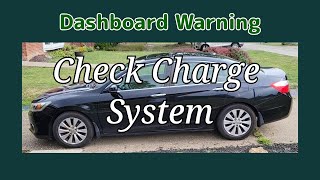
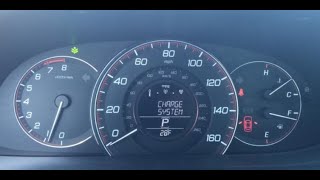
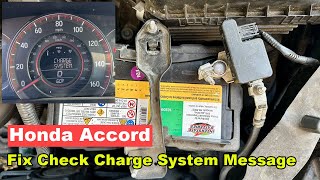
Before you replace the alternator, it's crucial to test both the battery and the alternator. Many auto parts stores offer free testing. 🎬 Watch: A simple guide to testing your battery and alternator. For 2013 and newer Accords, a "Check Charge System" warning can sometimes be caused by a faulty battery sensor, not the alternator itself. 🎬 See how to fix the 'Check Charge System' sensor message. Always diagnose the problem correctly to avoid replacing parts you don't need.
Choosing a New Aftermarket Alternator: Brand Tiers

When your original alternator fails, you have several choices for a replacement. While a new OEM part from Honda is an option, high-quality aftermarket brands can offer similar performance at a better price. Here’s a breakdown of the brands available:
- Top Tier (OEM Quality or Better): These brands are often the original equipment manufacturer for Honda. They offer the best fit and longest life.
- Denso: Denso is frequently the original supplier for Honda and is widely considered the top choice for replacement. Choosing a new or remanufactured Denso alternator is as close to a factory part as you can get.
- Bosch: Bosch is another premium brand known for high-quality, reliable alternators that are built to meet or exceed OEM standards.
- Mid-Tier (Reliable & Good Value): These brands provide a good balance of quality and cost, making them a popular choice for many owners.
- ACDelco: While strongly associated with GM vehicles, ACDelco offers a professional line of parts for other makes, including Honda. They are generally considered a reliable option.
- Remy: A long-standing name in rotating electrical parts, Remy offers both new and remanufactured alternators that are a solid choice.
- WAI Global: WAI manufactures 100% new alternators that meet OEM specifications and are known for their quality and wide coverage.
- Economy Tier (Budget-Focused): These brands can be a cost-effective solution, though long-term reliability can sometimes be a concern compared to higher-tier options.
- BBB Industries: A major player in the remanufactured parts market, offering a budget-friendly alternative.
- MPA (Motor Parts of America): MPA is another large remanufacturer that supplies many private-label store brands.
New vs. Remanufactured
A "new" aftermarket alternator is made with all-new components. A "remanufactured" one has been completely disassembled, cleaned, and had all wear items (like bearings and brushes) replaced with new parts before being tested to OEM standards. A quality remanufactured unit from a top brand like Denso or Bosch can be just as reliable as a new one and is a great way to save money.
What to Expect: Replacement Costs

The cost to replace a Honda Accord alternator varies based on the part you choose and labor rates in your area. You can save significantly by choosing an aftermarket part over a new OEM unit from the dealership.
| Item | Estimated Cost |
|---|---|
| New OEM Alternator (Part Only) | $550 - $977 |
| New Aftermarket Alternator (Part Only) | $160 - $441 |
| Shop Labor | $146 - $300 |
| Total Professional Replacement (Aftermarket) | $306 - $741 |
Frequently Asked Questions

Should I replace the serpentine belt at the same time?
Yes. The serpentine belt must be removed to replace the alternator, so it's the perfect time to install a new one. Belts are inexpensive and replacing it now saves you from paying for the same labor again in the near future.
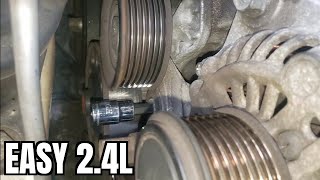
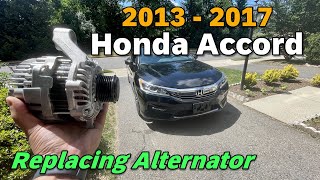
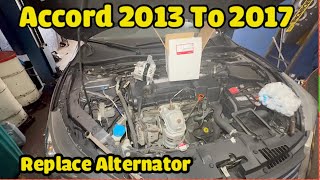
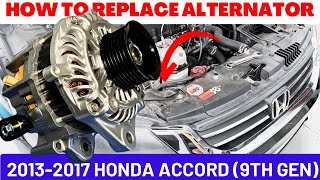
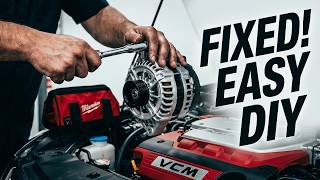
🎬 Watch: Step-by-step alternator replacement and belt installation guide.Can I replace the alternator myself?
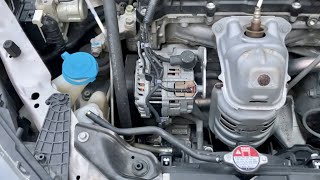
For a DIYer with intermediate skills, this is a manageable job that can take 1.5 to 3 hours. It requires disconnecting the battery, releasing the serpentine belt tensioner, and accessing the mounting bolts, which can be in a tight space. For V6 models, you may need to remove the passenger wheel and other components for better access.
What does the "Check Charge System" light mean?
This warning indicates a problem with the charging system, which includes the alternator, battery, and related wiring. It means the battery is not being properly charged. Common causes are a failing alternator, a weak battery, or a faulty battery sensor on some models.
Can a bad alternator damage my battery?
Yes. A failing alternator can either undercharge or overcharge the battery. Undercharging will cause the battery to drain and eventually die. Overcharging can boil the electrolyte inside the battery, causing permanent damage and a potentially dangerous situation.
Helpful Videos
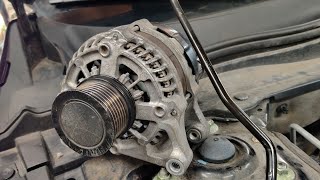
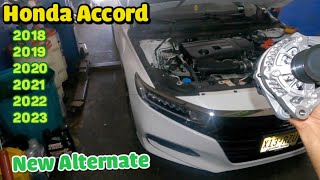
Technical Specifications
OEM Part Numbers: 31100-5A2-A01 31100-R70-A01 06311-R70-506RM 31100-5G2-A01
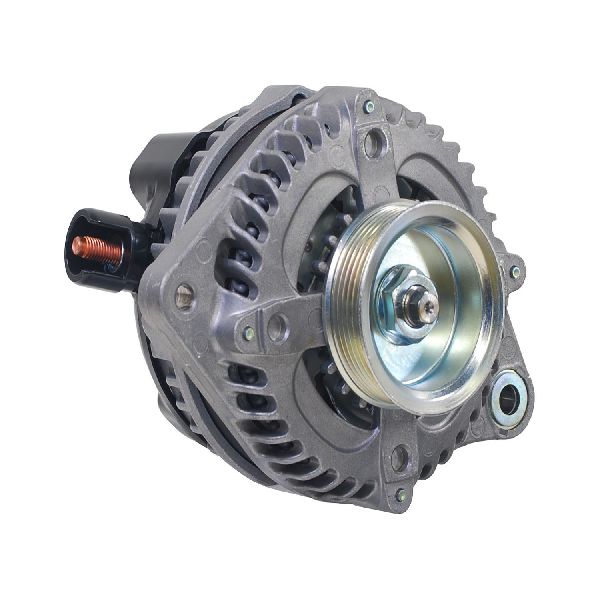
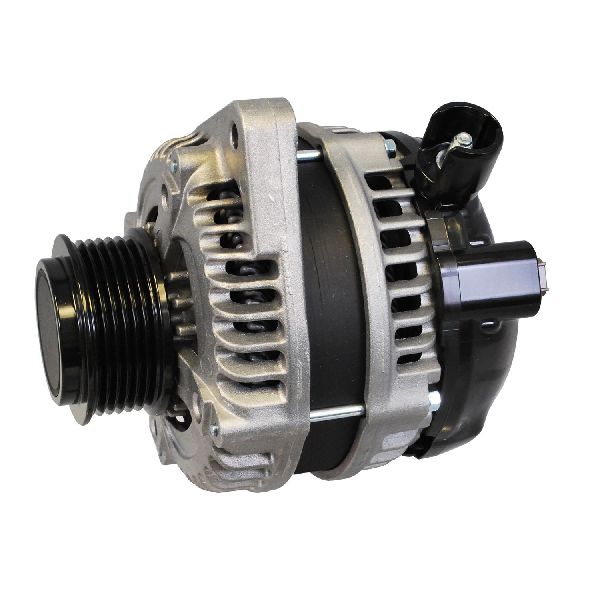
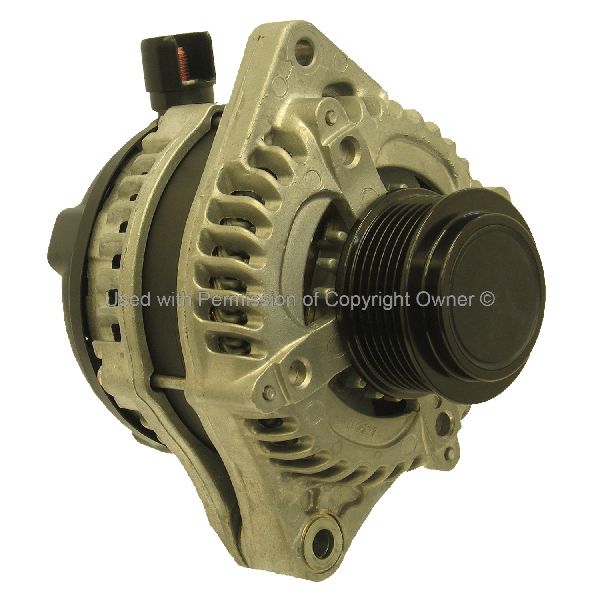
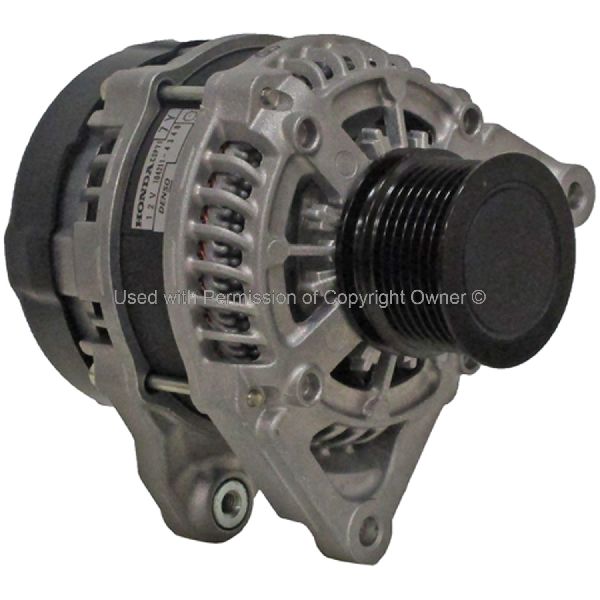
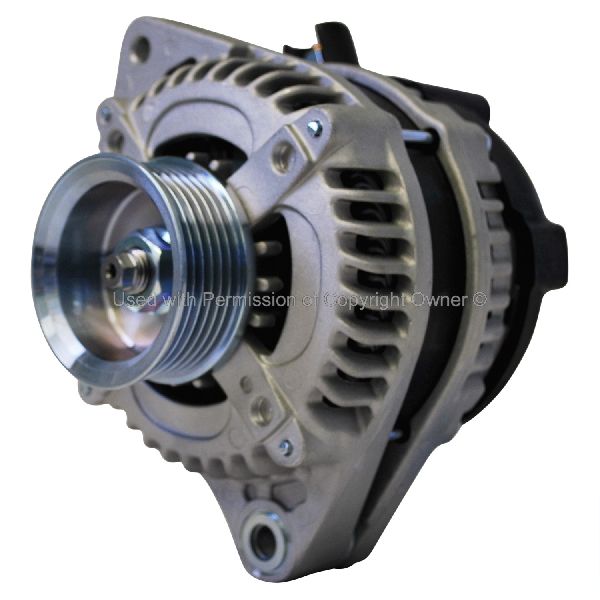
Amperage ratings for the 2011-2020 Honda Accord typically range from 105A to 130A, depending on the engine (4-cylinder vs. V6) and trim level. Always verify the correct amperage and pulley type for your specific vehicle before purchasing.
We Have This Part in Stock


The information in this article is provided for general reference and educational purposes only. Vehicle specifications, procedures, and part compatibility can vary by production date, trim level, and region. Always consult your vehicle's factory service manual and verify part numbers before purchasing or performing repairs. Safety-critical components such as airbags, seat belts, and braking systems should be installed by a qualified professional.
- Honda Accord: