

Understanding the Accessory Drive Belt for the 2011-2020 Kia Optima
Don't let a squealing belt leave you stranded; learn about the signs of failure and your replacement options for your Optima.
- A squealing noise is the first and most common sign of a failing belt or tensioner.
- Do not drive if the belt is broken or you suspect it's about to fail; engine overheating can cause catastrophic damage.
- For high-mileage vehicles, replace the belt, tensioner, and idler pulleys at the same time for a more reliable repair.
- Confirm your exact engine (2.4L, 2.0T, etc.) before purchasing, as belt sizes are different and some engines use two belts.
Is Your Kia Optima's Accessory Belt Failing?
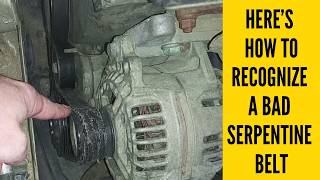
An accessory drive belt is a durable part, but it doesn't last forever. The rubber degrades over time from heat and constant use. Ignoring the warning signs can lead to a sudden breakdown. If the belt breaks, your battery will stop charging, you'll lose air conditioning, and most importantly, the engine may overheat rapidly if the belt drives the water pump. Pay close attention to these common symptoms.
🎬 Watch this video to see common symptoms of belt failure.Choosing the Right Aftermarket Belt
For a part like an accessory drive belt, high-quality aftermarket brands provide excellent value and performance that often meets or exceeds OEM specifications. Many aftermarket companies are the original suppliers to automakers, so you can be confident in their quality.
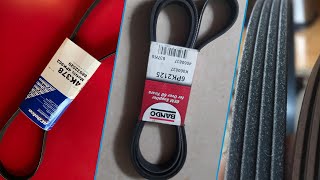
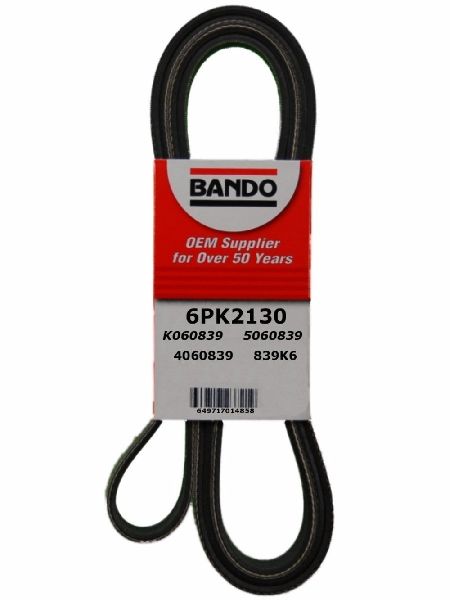
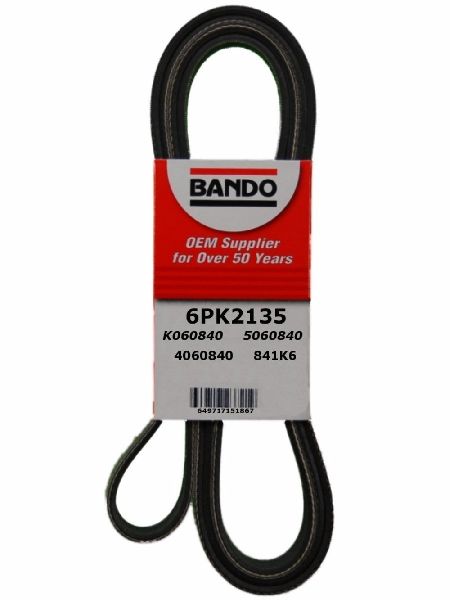
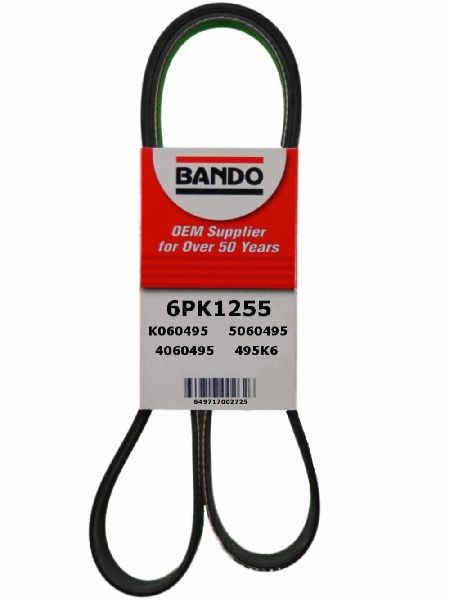
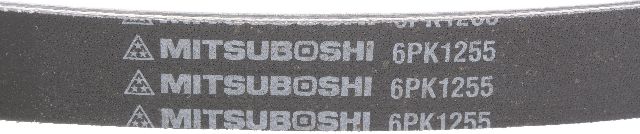
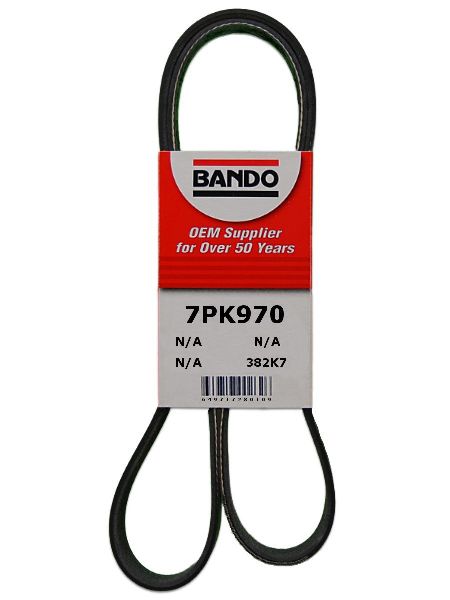
- OEM-Equivalent Brands (Bando, Mitsuboshi): Bando and Mitsuboshi are Japanese brands well-regarded for their rubber products and are often the original equipment manufacturer for Kia and other carmakers. Choosing one of these brands is essentially like buying the dealer part without the dealer markup. They are known for durability and a precise fit.
- Professional-Grade Aftermarket (ACDelco): ACDelco is a widely trusted aftermarket brand. Their Professional line of belts uses high-quality EPDM rubber that resists cracking and heat, making them a reliable choice for daily driving.
Pro Tip: Check Your Engine and Consider a Kit
The 2011-2020 Kia Optima was available with several engines (2.4L, 2.0L Turbo, 1.6L Turbo, and Hybrid models), and they do not all use the same belt. Some later models, particularly the 2.4L and 2.0T, use a second, smaller "stretch-fit" belt just for the water pump. It is highly recommended to replace both belts at the same time. Furthermore, the belt's tensioner and idler pulleys have bearings that wear out. A failing pulley can destroy a new belt. For vehicles with over 60,000 miles, replacing the belt, tensioner, and idler pulleys together as a kit is the best practice to ensure a long-lasting repair.
Estimated Costs for Replacement
| Part Type | Estimated Cost |
|---|---|
| New Aftermarket Belt | $26 - $59 |
| New OEM Belt | $35 - $55 |
| Shop Labor for Replacement | $85 - $150 |
| Total (Aftermarket Part + Labor) | $111 - $209 |
Note: Costs are estimates and can vary based on your location, vehicle engine, and the specific repair shop.
Frequently Asked Questions
How often should I replace the accessory drive belt?
A general guideline is to inspect the belt at 60,000 miles and plan for replacement around 100,000 miles, but this can vary. You should replace it immediately if it shows any signs of cracking, fraying, glazing, or if it's causing noise.
Is a squeaking noise always a sign of a bad belt?
Most often, yes. A high-pitched squeal or chirp, especially on a cold start or when the A/C is on, usually means the belt is slipping because it's worn out or the tensioner is weak. Sometimes, a pulley bearing could be the cause of the noise.
Do I need a special tool to change the belt?
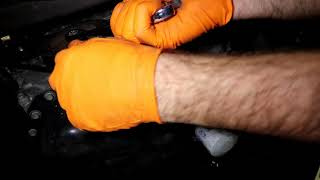
For most 2011-2020 Optima models, you can release the belt tensioner using a standard 17mm wrench or a long breaker bar. No highly specialized tools are typically required for the main belt, though access can be tight. 🎬 See a step-by-step guide on replacing your Optima's belt. Some engines use a separate stretch-fit belt for the water pump which may require a specific installation tool or technique to "roll" it on.
What is the difference between a serpentine belt and a timing belt?
The serpentine (or accessory) belt is visible on the outside of the engine and runs accessories like the alternator and A/C. A timing belt or chain is located inside the engine under a cover and keeps the engine's crankshaft and camshafts synchronized. Timing belt failure will cause the engine to stop immediately and can cause severe engine damage.
Known Issues & Recalls
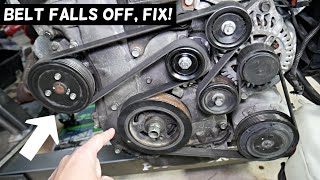
While there are no specific recalls for the accessory drive belt itself on the 2011-2020 Optima, it's important to be aware of related issues. Many owner complaints about belt noise or premature failure are ultimately traced back to a failing belt tensioner or a bad pulley bearing. 🎬 Learn why your belt might be falling off and how to fix it. There have been recalls for this generation of Optima for other issues, including a fire risk related to the ABS module, but none directly involve the belt system.
Helpful Videos

Technical Specifications
OEM Part Numbers: 25212-2GGA1 25212-2GGB0 25212-2E310 25212-2B720
The specific belt length and rib count (e.g., 6PK1010) varies significantly depending on the engine (2.4L, 2.0T, 1.6T, Hybrid) and model year. Always verify fitment with your vehicle's VIN or specific engine type.
We Have This Part in Stock

The information in this article is provided for general reference and educational purposes only. Vehicle specifications, procedures, and part compatibility can vary by production date, trim level, and region. Always consult your vehicle's factory service manual and verify part numbers before purchasing or performing repairs. Safety-critical components such as airbags, seat belts, and braking systems should be installed by a qualified professional.
- Kia Optima: