

A Guide to Aftermarket Brake Pads for the 2011-2020 Kia Optima
Find the right aftermarket brake pads for your Optima, whether you prioritize budget, quiet operation, or performance.
- For most Optima owners, a quality ceramic aftermarket pad from a brand like Akebono, PowerStop, or Bosch offers the best balance of quiet operation, low dust, and reliable performance.
- Always verify the correct part for your Optima's specific trim and year, as some models (e.g., with electronic parking brakes or different engine sizes) require different pads.
- It is strongly recommended to replace brake rotors at the same time as the pads to ensure optimal safety and performance.
- While the job is DIY-friendly for many, models with an Electronic Parking Brake (EPB) may require a diagnostic tool to service the rear brakes.
Is it Time for New Brake Pads?

Your Optima will give you clear signs when the brake pads are wearing out. Ignoring them can lead to more expensive repairs, so it's important to listen to your car. Common symptoms include:
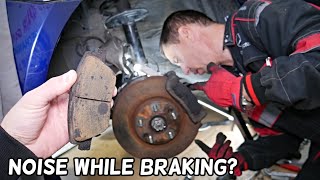
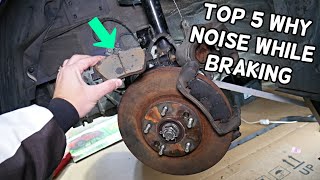
- Squealing or Chirping: A high-pitched noise when you apply the brakes is often the first sign. This is caused by a small metal tab called a wear indicator making contact with the rotor.
- Grinding Noises: A loud, metal-on-metal grinding sound means the friction material is completely gone. This is a critical situation, as the metal backing plate of the pad is now grinding against your rotor, causing significant damage. 🎬 Watch: Hear what a grinding Kia Optima brake sounds like.
- Vibration or Pulsing: If you feel a pulsing in the brake pedal or a vibration in the steering wheel when braking, it could mean your rotors have been warped by heat or have uneven pad deposits.
- Longer Stopping Distances: If your car takes longer to stop than it used to, your pads are likely worn and can't create enough friction.
- Brake Warning Light: An illuminated brake light on your dashboard is a clear signal to have your brake system inspected immediately.
Recalls and Technical Service Bulletins (TSBs)
Several recalls have been issued for 2011-2020 Kia Optima models related to the braking system, but they do not directly involve the brake pads themselves. The most significant recalls concern the Hydraulic Electronic Control Unit (HECU), which can leak brake fluid and potentially cause an electrical short, increasing the risk of an engine compartment fire. While this doesn't affect your choice of brake pads, it's critical to check if your vehicle is part of this recall by entering your VIN on the NHTSA website. There are no widespread TSBs specifically for premature brake pad wear on the Optima.
Choosing the Right Aftermarket Brake Pads

Aftermarket brake pads offer a wide range of options that can sometimes exceed OEM quality, especially in terms of performance or low-dust formulations. Some owners report that certain aftermarket pads can cause squeaking on Kias, so choosing a quality brand is important. Here’s a breakdown of brands to help you choose.
Economy & Standard Replacement
These brands offer a good balance of affordability and reliable performance for daily driving. They are designed to meet or exceed original factory specifications.
- Bosch: A well-regarded brand offering reliable, quiet performance suitable for daily driving.
- Raybestos: A long-standing name in brakes, offering dependable stopping power and quality.
- Centric: Often recommended in forums, Centric provides good quality standard replacement and premium options.
- Wagner Brakes: Known for their OEX line, Wagner pads are a quality choice that focuses on quiet operation and durability.
- ACDelco, Beck Arnley, Pronto, Dynamic Friction: These brands provide solid, budget-friendly options for drivers whose main priority is safe, standard replacement parts.
Premium & Performance Upgrade
If you're looking for improved stopping power, less brake fade during spirited driving, or specific characteristics like low dust, these brands are excellent choices.
- PowerStop: Very popular with Optima owners, especially their Z17 (low-dust ceramic) and Z23 (carbon-fiber ceramic for sport driving) kits, which often include new rotors.
- Akebono: A top-tier brand known for its ultra-quiet, low-dust ceramic pads that often perform better than OEM.
- Hawk Performance: Offers various compounds from street performance to track use, known for their strong initial bite and high-temperature resistance.
- EBC Brakes: A UK-based company offering different pad compounds, from their quiet Ultimax to the higher-performance Greenstuff, Yellowstuff, and Redstuff lines.
- Brembo: While famous for their high-end brake systems, Brembo also offers premium replacement ceramic pads that provide excellent performance.
Ceramic vs. Semi-Metallic
Most modern aftermarket pads for the Optima are ceramic. They offer quiet operation, low dust, and a long service life, making them ideal for daily driving. Semi-metallic pads offer better performance in extreme heat and can have a stronger "bite," but they are often noisier and produce more dark-colored dust. For most Optima owners, a quality ceramic pad is the best choice.
Brake Pad Replacement Cost for Kia Optima (2011-2020)

The cost can vary based on the brand of pads you choose and whether you do the work yourself or have a professional mechanic do it.
| Item | Estimated Cost |
|---|---|
| Aftermarket Brake Pad Set (per axle) | $28.72 - $236.48 |
| OEM Brake Pad Set (per axle) | $85 - $155 |
| Shop Labor (per axle) | $110 - $161 |
| Total Professional Replacement (per axle) | $180 - $450+ |
Frequently Asked Questions (FAQ)

How often should I replace my Optima's brake pads?
Brake pad life varies greatly depending on your driving habits and conditions. Generally, you can expect to replace them every 30,000 to 70,000 miles. If you do a lot of city driving with frequent stops, they will wear out faster than if you do mostly highway driving.
Should I replace the rotors at the same time as the pads?
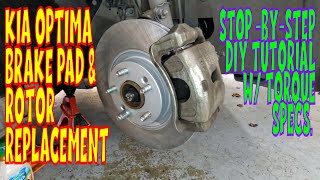
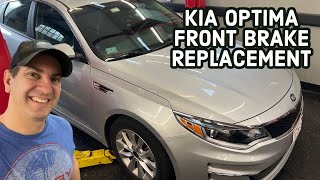
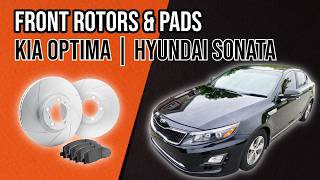
It is highly recommended. Installing new pads on old, worn rotors can cause noise, vibration, and reduced performance. For the best and safest results, always replace pads and rotors together. 🎬 See this step-by-step guide for replacing front pads and rotors. Many brands, like PowerStop, offer convenient pad and rotor kits.
Can I replace the brake pads on my Kia Optima myself?
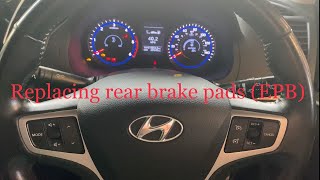
Yes, replacing brake pads is a common DIY job for those with mechanical experience and the right tools. You will need a jack, jack stands, a socket set, a caliper piston compression tool, and basic hand tools. However, some later models with an Electronic Parking Brake (EPB) may require a special scan tool to retract the rear calipers. 🎬 Watch: How to handle the electronic parking brake during replacement. If you are not comfortable, it is always best to have a professional do the work.
Do I need to 'bed-in' my new brake pads?
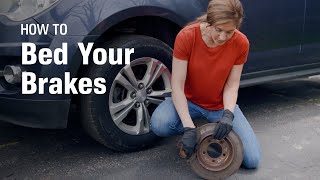
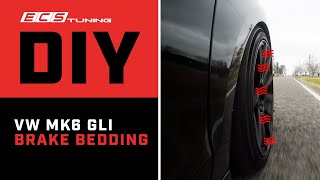
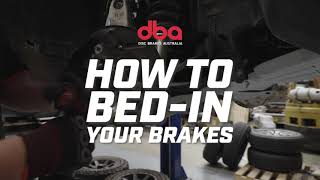
Yes. Bedding-in is the process of transferring a thin, even layer of friction material from the new pads to the rotors. This ensures smooth, quiet, and powerful braking. Most manufacturers provide specific instructions, but the process typically involves a series of controlled stops from moderate speeds. This is a critical step for performance and longevity.
Helpful Videos
Technical Specifications
OEM Part Numbers: 58101-2TA21 58101-D4A20 58302-A8A50 58101-D5A10 58101-4CA10 58302-D5A50
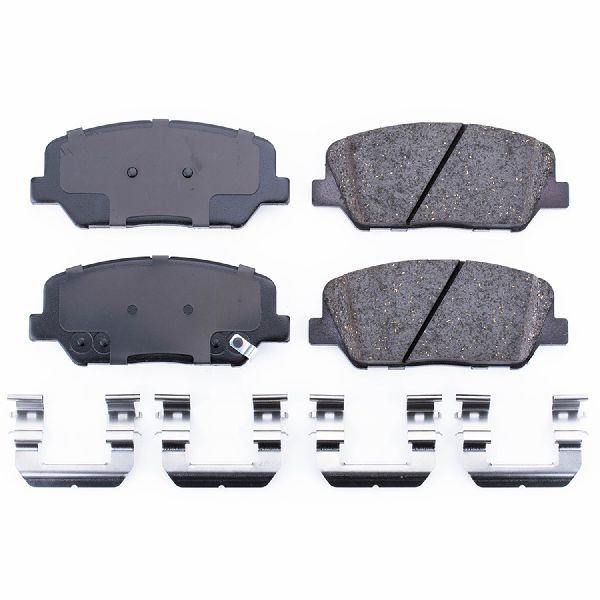
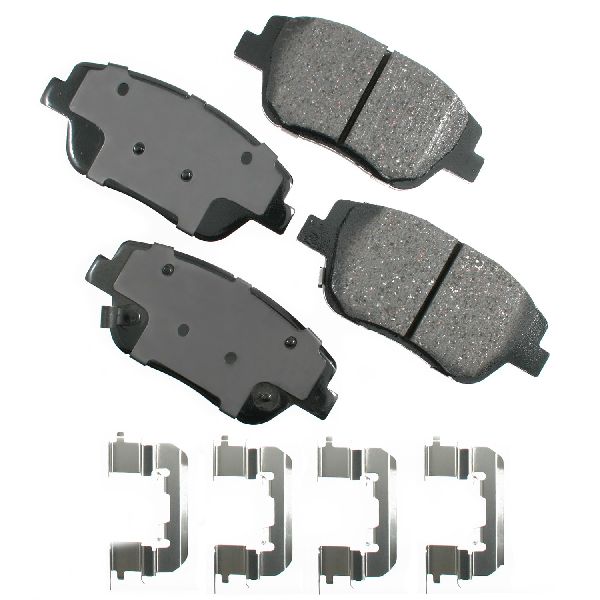
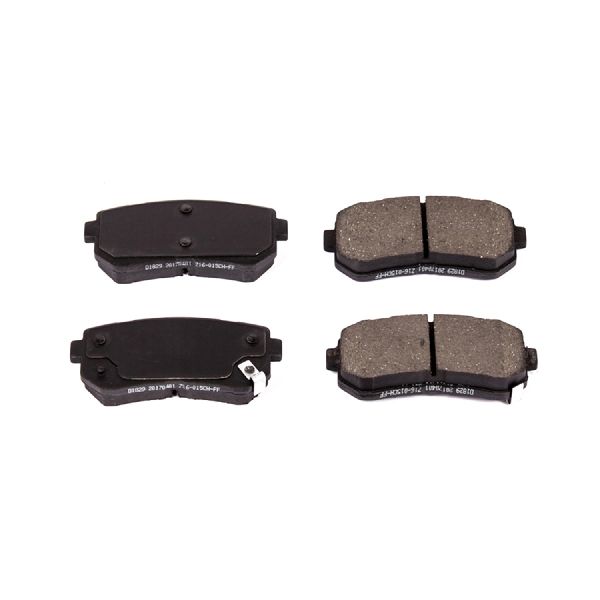
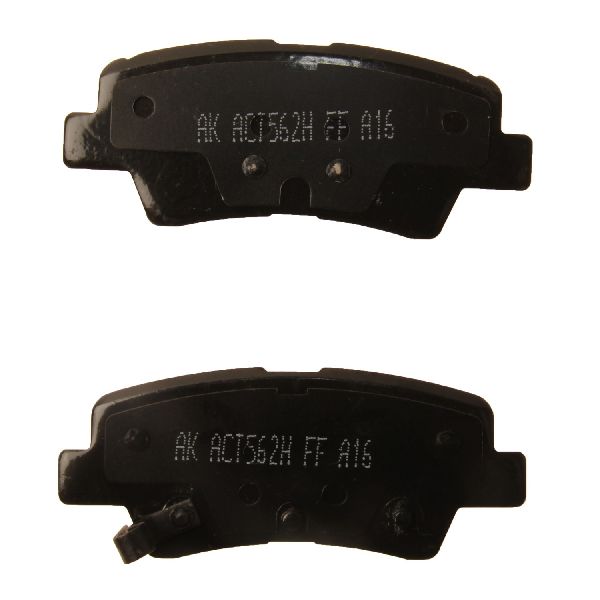
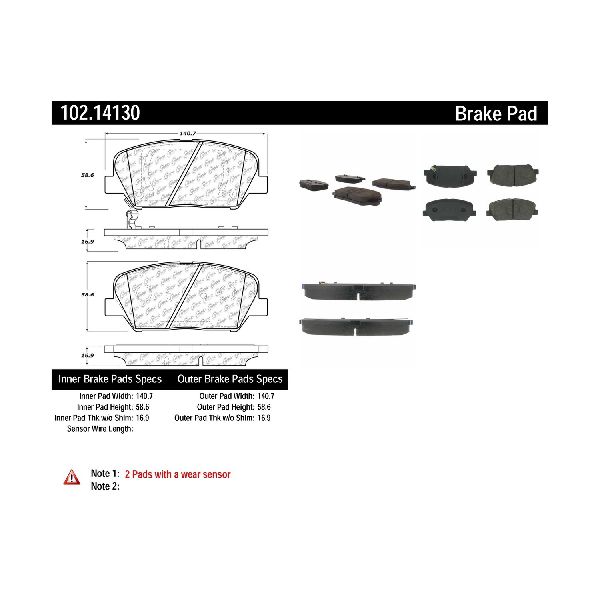
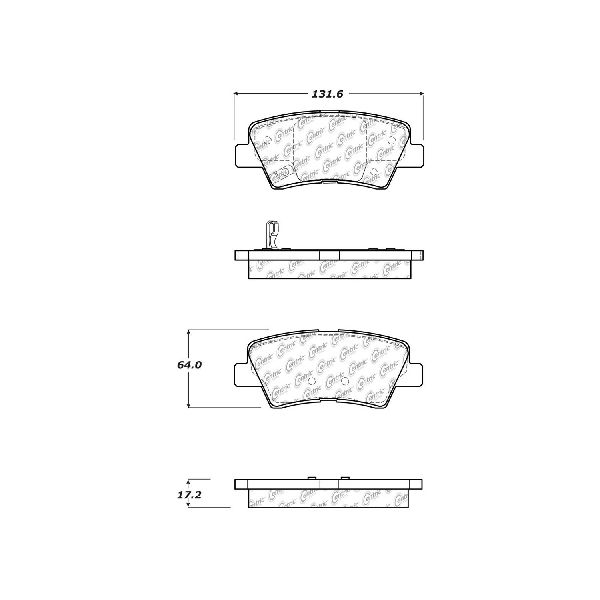
Brake pad material is typically ceramic or semi-metallic. Pad sets include two inner and two outer pads for one axle. Many aftermarket sets come with new hardware clips and lubricant. Fitment varies based on year, engine size (2.0L Turbo vs 2.4L), and whether the vehicle has a manual or electronic parking brake.
We Have This Part in Stock

The information in this article is provided for general reference and educational purposes only. Vehicle specifications, procedures, and part compatibility can vary by production date, trim level, and region. Always consult your vehicle's factory service manual and verify part numbers before purchasing or performing repairs. Safety-critical components such as airbags, seat belts, and braking systems should be installed by a qualified professional.
- Kia Optima:
- 🎬 Helpful Videos
- 🛍️ Shop This Part
- Is it Time for New Brake Pads?
- Recalls and Technical Service Bulletins (TSBs)
- Choosing the Right Aftermarket Brake Pads
- Economy & Standard Replacement
- Premium & Performance Upgrade
- Ceramic vs. Semi-Metallic
- Brake Pad Replacement Cost for Kia Optima (2011-2020)
- Frequently Asked Questions (FAQ)
- 🎟️ Get 5% Off