

A Guide to Replacing Disc Brake Rotors on Your 2011-2020 Kia Optima
Eliminate brake vibration and noise by choosing the correct new aftermarket rotors for your Optima.
- Always verify your Optima's exact sub-model (LX, EX, SX, Turbo, Hybrid) and build date before ordering to ensure you get the correct rotor size.
- For most drivers, a premium coated rotor from a brand like Bosch, Centric, or Raybestos offers the best combination of performance, rust prevention, and value.
- It is essential to replace brake pads and rotors at the same time and to follow the proper bed-in procedure to ensure safety and performance.
- Check for outstanding recalls on your Optima's brake system, specifically related to the HECU, as several fire-risk recalls have been issued.
Signs Your Optima's Rotors Need Replacing
Worn or damaged brake rotors are not just an annoyance; they are a safety issue. The most common symptom of a bad rotor is a vibration or pulsation you feel in the steering wheel or brake pedal when you apply the brakes. This is often caused by the rotor warping from heat, creating an uneven surface. Other signs include:
- Grinding or Squealing Noises: A loud grinding sound usually means the brake pads are completely worn away and metal is grinding against the rotor, causing severe damage.
- Visible Grooves or Scoring: If you look at the rotor surface and see deep lines or grooves, it's a sign of uneven wear and damage.
- Longer Stopping Distances: If your Optima is taking longer to stop than it used to, worn rotors could be a contributing factor.
Known Issues: Recalls on Related Brake Components
While there have been no direct recalls on the disc brake rotors themselves, several recalls exist for the 2011-2020 Kia Optima's braking system. These recalls concern the Hydraulic Electronic Control Unit (HECU), which can leak brake fluid and potentially cause an electrical short, increasing fire risk. Affected model years include 2010-2015 Optimas. It is critical to check if your vehicle is part of this recall by entering your VIN on the NHTSA website. While this issue doesn't directly affect the rotors, it highlights the importance of maintaining the entire brake system.
Choosing the Right Aftermarket Rotors for Your Optima
One of the most common mistakes when ordering parts is getting the wrong size. The 2011-2020 Kia Optima spans two generations (2011-2015 and 2016-2020) and came with different engines (2.4L, 2.0L Turbo, Hybrid) and trim levels (LX, EX, SX). These variations often have different brake sizes. Always verify your specific sub-model before purchasing to ensure a correct fit.
Aftermarket rotors offer a wide range of quality and price. They can be grouped into three main tiers:
Tier 1: Economy / Daily Driver
These are your basic, budget-friendly options. Brands like Pronto, Dynamic Friction (DFC), and standard Centric (C-Tek) fall into this category. They meet OEM specifications and are a good choice for drivers on a tight budget who just need to get their car back on the road safely. However, they may not have advanced features like corrosion-resistant coatings, meaning they can show surface rust more quickly, especially in wet climates.
Tier 2: Premium / OEM-Quality
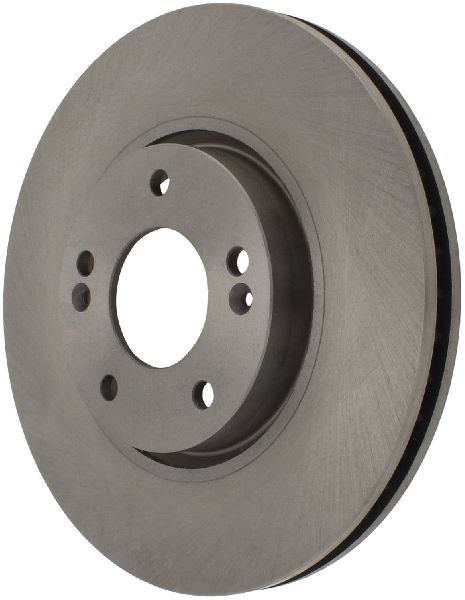
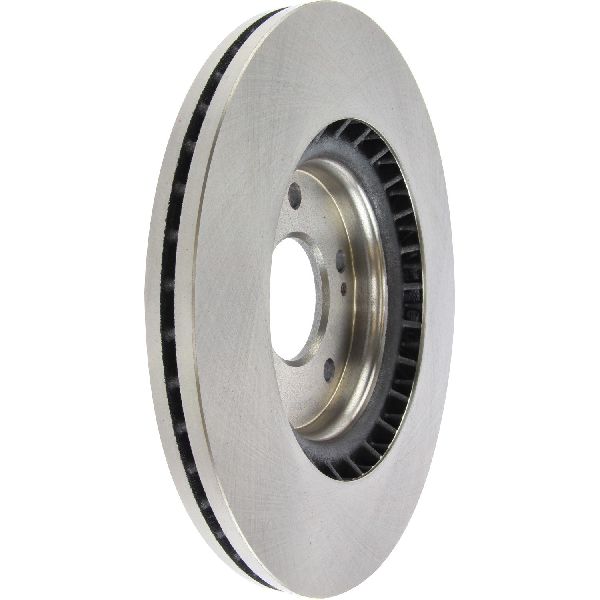
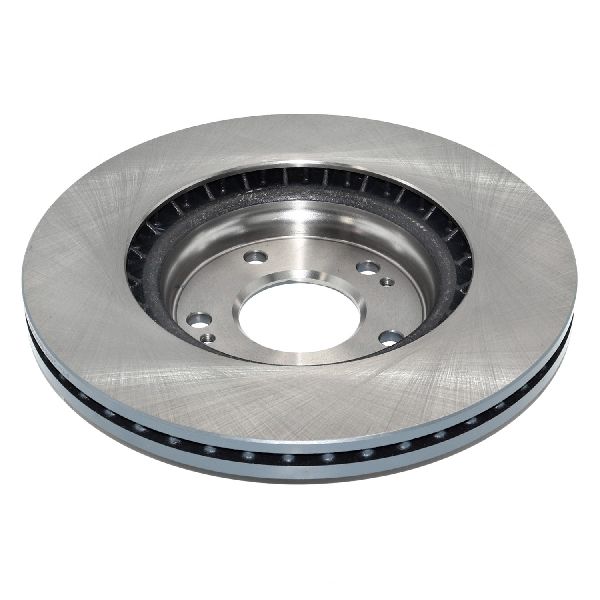
This is the sweet spot for most Optima owners. Brands like Bosch (QuietCast), Raybestos (Element3), Wagner Brakes, ACDelco (Professional), and Centric (Premium) offer excellent quality that meets or exceeds original factory parts. Many of these rotors feature a protective coating (often black or grey) on the hub and edges to prevent rust and keep them looking good behind your wheels. They provide a great balance of performance, longevity, and price for daily driving.
Tier 3: Performance / Heavy-Duty
For the Optima owner who wants improved stopping power and heat dissipation, performance brands are the way to go. Powerstop, StopTech, EBC Brakes, and Brembo specialize in this area. These rotors are often drilled, slotted, or both. Drilled holes and slots help vent hot gases and water away from the rotor surface, which can reduce brake fade during aggressive driving. Powerstop kits, which bundle pads and rotors, are a very popular upgrade for their balance of performance and value.
Pro Tip: For most drivers, a coated rotor from a premium brand like Bosch or Centric is the best investment. The coating prevents ugly rust on the parts of the rotor you can see, and they offer quiet, reliable stopping power without the higher cost of performance brakes.
How Much Do New Kia Optima Rotors Cost?
The cost to replace brake rotors on a 2011-2020 Kia Optima can vary significantly based on the parts you choose and who does the work. It is almost always recommended to replace brake pads at the same time as the rotors.
| Item | Estimated Cost |
|---|---|
| New Aftermarket Rotors (Per Pair) | $70 - $450 |
| New Aftermarket Pads & Rotors (Kit per Axle) | $100 - $750 |
| Shop Labor (Per Axle) | $150 - $350 |
| Total Professional Job (Pads & Rotors, Per Axle) | $350 - $850+ |
Frequently Asked Questions
Do I have to replace my brake pads when I replace my rotors?
Yes. It is highly recommended to replace brake pads and rotors together. Installing old, worn pads on new rotors will cause uneven wear and can ruin the new rotors quickly. New pads on a new, flat rotor surface ensures proper performance and longevity.
What are coated rotors and are they worth it?
Coated rotors have a special paint or plating (often black, grey, or silver) on the non-contact surfaces like the center hub and outer edges. This coating prevents rust, which is a common issue with uncoated rotors, especially in areas that use road salt in the winter. They are absolutely worth the small extra cost for improved appearance and corrosion resistance.
What's the difference between blank, drilled, and slotted rotors?
Blank rotors are smooth and are the standard for most cars, offering quiet operation and good performance for daily driving. Drilled rotors have holes drilled through them to dissipate heat and gas. Slotted rotors have grooves cut into the surface to wipe away debris and gas. For a daily driven Optima, high-quality blank rotors are more than sufficient. Drilled and slotted rotors are mainly for performance driving and can sometimes be noisier.
Do I need to 'bed-in' my new brakes?
Yes. Bedding-in, or burnishing, is the process of transferring a thin, even layer of friction material from the new brake pads to the new rotors. This process is crucial for smooth, quiet, and powerful braking. Most manufacturers provide a specific procedure, which usually involves a series of controlled stops from various speeds without coming to a complete stop. Failing to bed-in your brakes properly can lead to noise and vibration.
Technical Specifications
OEM Part Numbers: 51712-3Q000 51712-2T000 58411-2T500 51712-D4000
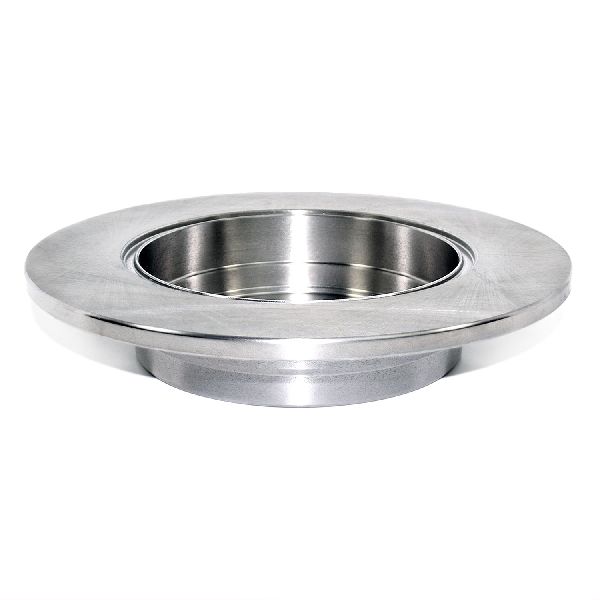
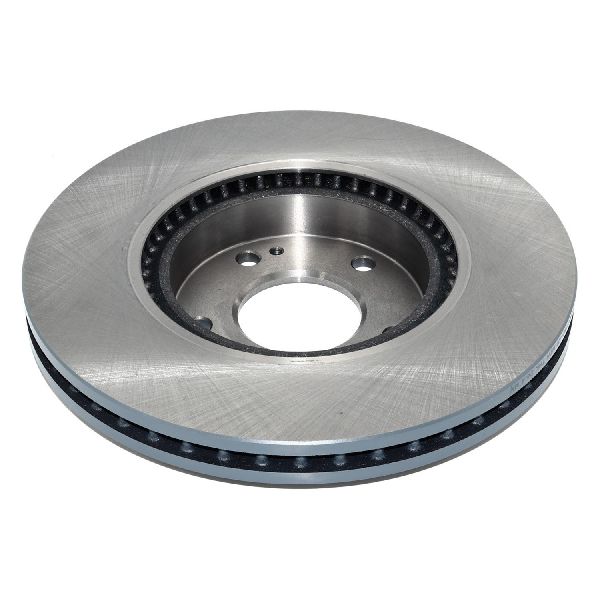
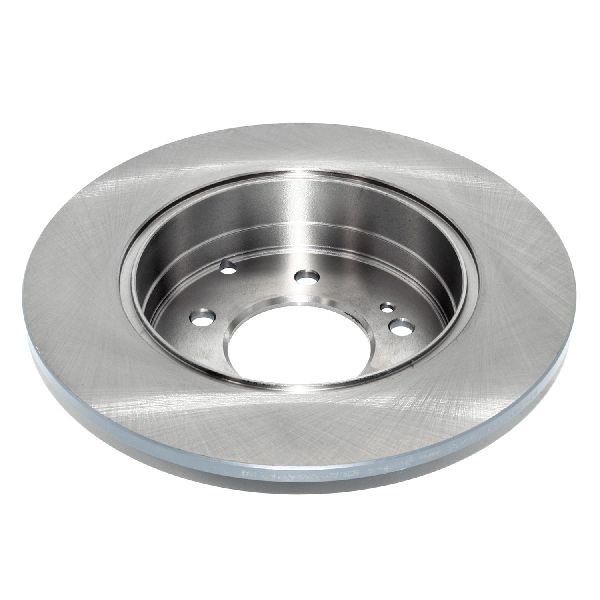
Rotor diameter, thickness, and bolt pattern vary significantly between the 2011-2015 (TF) and 2016-2020 (JF) generations, and also by trim level (e.g., 2.4L vs. 2.0L Turbo). Front rotors are typically larger than rear rotors. Some rear rotors are designed for use with an electronic parking brake (EPB). Always confirm fitment using your vehicle's VIN or specific sub-model details.
We Have This Part in Stock

The information in this article is provided for general reference and educational purposes only. Vehicle specifications, procedures, and part compatibility can vary by production date, trim level, and region. Always consult your vehicle's factory service manual and verify part numbers before purchasing or performing repairs. Safety-critical components such as airbags, seat belts, and braking systems should be installed by a qualified professional.
- Kia Optima:
- 🛍️ Shop This Part
- Signs Your Optima's Rotors Need Replacing
- Known Issues: Recalls on Related Brake Components
- Choosing the Right Aftermarket Rotors for Your Optima
- Tier 1: Economy / Daily Driver
- Tier 2: Premium / OEM-Quality
- Tier 3: Performance / Heavy-Duty
- How Much Do New Kia Optima Rotors Cost?
- Frequently Asked Questions
- 🎟️ Get 5% Off