

A Detailed Guide to Replacing Your 2011-2020 Kia Sorento Brake Calipers
Fix brake pulling, sticking, and leaks by choosing the right new aftermarket caliper for your Sorento.
- A safety recall (SC087) was issued for leaky rear calipers on some 2011 Sorentos; check if your vehicle was affected.
- Verify your Sorento's generation (2011-2015 vs. 2016-2020) before ordering, as the parts are not interchangeable.
- For rust-prone climates, choose an aftermarket caliper with a protective coating (e.g., Powerstop, Raybestos Element3) to prevent seizing.
- Properly bleeding the brakes after installation is critical for safety and restoring a firm brake pedal.
Common Symptoms of a Failing Brake Caliper

A bad brake caliper on your 2011-2020 Sorento can show several signs. One of the most common is the vehicle pulling to one side when you brake. This happens when one caliper applies more or less pressure than the other. You might also hear grinding or squealing noises, especially if a seized caliper has caused extreme brake pad wear. A burning smell after braking can indicate a stuck caliper dragging the brake. Look for brake fluid leaks on the inner side of your wheel, which is a clear sign of a failed seal. Uneven brake pad wear, where one pad is much thinner than the other, also points to a sticking caliper slide pin or piston.
Known Issues: 2011 Recall and Sticking Pins

2011 Model Year Recall (SC087): Kia issued a safety recall for a specific batch of 2011 Sorento models built between September 14, 2010, and October 4, 2010. The rear brake calipers on these vehicles may have been improperly machined, which can lead to brake fluid leaks. Symptoms include a soft or spongy brake pedal, the brake warning light illuminating, and reduced stopping power. Dealers were instructed to inspect and replace the affected rear calipers free of charge. Before ordering a new part for a 2011 model, it's wise to check with a Kia dealer or the NHTSA website to see if your vehicle was part of this recall and if the repair was completed.
Sticking Slide Pins: A very common issue for Sorentos of all years is seized or sticking caliper slide pins. These pins allow the caliper to move freely. When they corrode and stick, the brake pads wear unevenly and can cause the brakes to drag. This is often misdiagnosed as a bad caliper when only the pins and bracket need to be serviced or replaced.
Choosing the Right Aftermarket Caliper

When replacing a caliper on your Sorento, you don't have to buy from the dealer. Quality aftermarket brands offer excellent value and, in some cases, improvements over the original design. For a daily-driven SUV like the Sorento, a reliable new aftermarket caliper is a smart choice over a remanufactured one, which can have inconsistent quality.
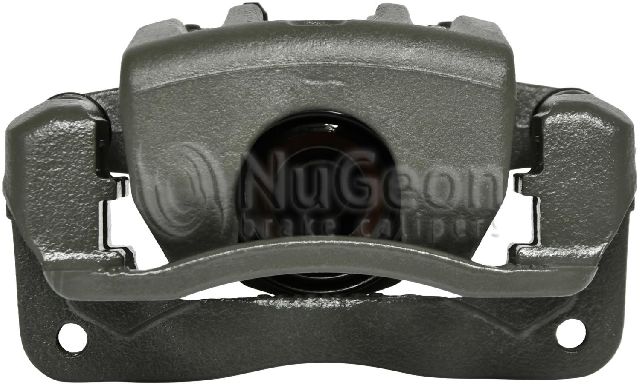
Pro Tip: For Sorento owners in areas with snow and road salt, choosing a caliper with a protective coating is highly recommended. Brands like Powerstop, Raybestos (Element3), and Dynamic Friction offer coated calipers that resist rust and corrosion, helping to prevent the slide pins from seizing.
Brand Quality Tiers
- Good (Value Options): Brands like Cardone and Centric offer basic, functional replacements. While they get the job done, some remanufactured versions may not have protective coatings, leading to rust.
- Better (Recommended for Most Owners): Powerstop, Raybestos (Element3), and Dynamic Friction (DFC) are excellent choices. They frequently come with powder or zinc coatings for corrosion resistance and include new hardware. These brands provide a great balance of quality, durability, and price for a daily driver.
- Best (High Performance): While performance brands like Brembo exist, they are generally unnecessary and not cost-effective for a standard Kia Sorento.
Common Ordering Mistakes
The most common mistake is ordering the wrong part for your Sorento's generation. The brake components are different between the 2nd Generation (2011-2015) and the 3rd Generation (2016-2020). Always verify the year. Also, confirm if you need a front or rear caliper, and a driver (left) or passenger (right) side part. Finally, check if you need a caliper with or without the mounting bracket. If your old bracket is corroded, buying a new caliper that includes the bracket is the best practice.
Brake Caliper Replacement Cost for 2011-2020 Kia Sorento

| Part/Service | Estimated Cost |
|---|---|
| New Aftermarket Caliper (Part Only) | $55 - $168 |
| Shop Labor (Per Caliper) | $150 - $250 |
| Total Professional Replacement (Per Caliper) | $205 - $418 |
Costs are estimates and can vary based on your location and the specific parts chosen. This does not include the cost of new brake pads, rotors, or a brake fluid flush, which are often recommended at the same time.
Frequently Asked Questions
Should I replace brake calipers in pairs?
While it's not strictly required like brake pads or rotors, it is good practice. Replacing both the left and right calipers at the same time ensures even braking performance and prevents the vehicle from pulling to one side. If one caliper has failed due to age or mileage, the other is likely not far behind.
Can I replace a Kia Sorento brake caliper myself?
Yes, this is a feasible DIY job for someone with moderate mechanical experience and the right tools. The process involves safely lifting the vehicle, removing the wheel, unbolting the old caliper and brake line, installing the new one, and then bleeding the air out of the brake system. Brake bleeding is the most critical step; failure to do it correctly will result in a soft brake pedal and unsafe braking.
What is the difference between a bracketed and un-bracketed caliper?
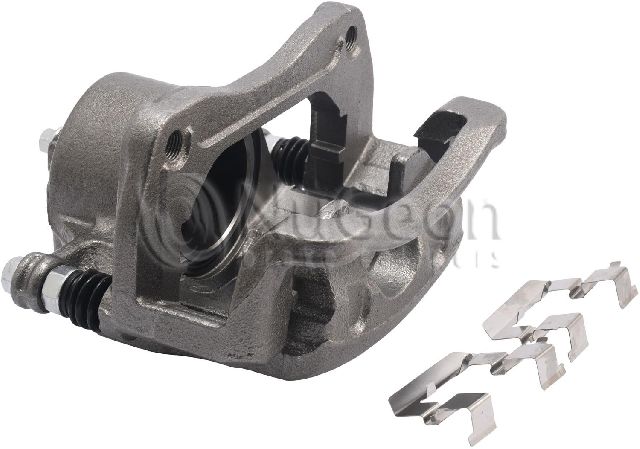
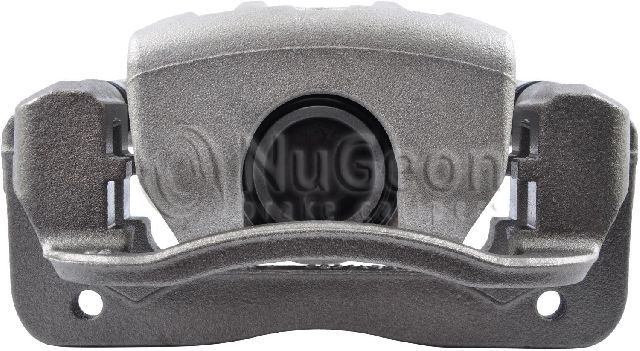
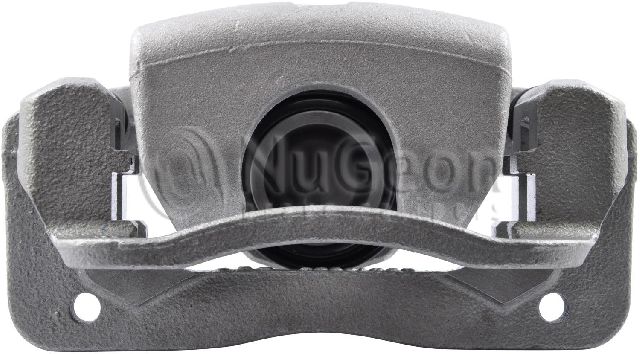
The caliper mounting bracket holds the caliper and brake pads in place. An "un-bracketed" or "unloaded" caliper is just the caliper body itself. A "bracketed" or "loaded" caliper comes pre-assembled with the mounting bracket and often includes new slide pins and hardware. If your old bracket is in good condition, you can save money with an un-bracketed caliper. However, since seized slide pins are a common problem, buying a new bracketed caliper is often the easier and more reliable repair.
My 2011 Sorento has a brake fluid leak, what should I do?
First, check if your vehicle falls under the SC087 safety recall for rear brake calipers. You can do this by entering your VIN on the NHTSA website or contacting a Kia dealership. If it's part of the recall and the repair hasn't been done, you may be eligible for a free replacement. If not, the leak must be repaired immediately, as it is a critical safety issue.
Helpful Videos
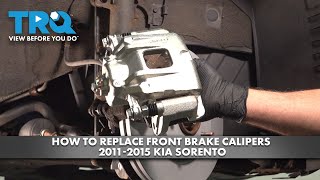


Technical Specifications
OEM Part Numbers: 58180-2P000 58190-2P000 58310-2PA00 58311-2PA00 58180-C5000 58190-C5000 58310-C5A51 58311-C5A51
Brake calipers for the 2011-2020 Kia Sorento are typically single-piston floating calipers. The primary difference in parts is between the second generation (2011-2015) and the third generation (2016-2020). Aftermarket options are available with and without mounting brackets, and with various anti-corrosion coatings.
We Have This Part in Stock
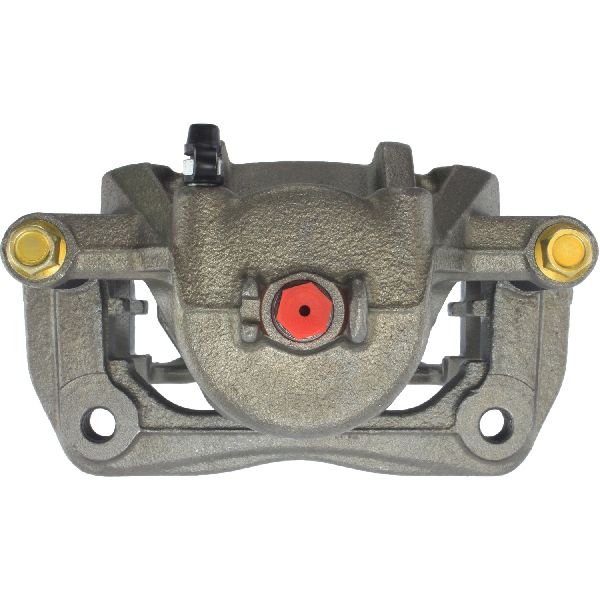
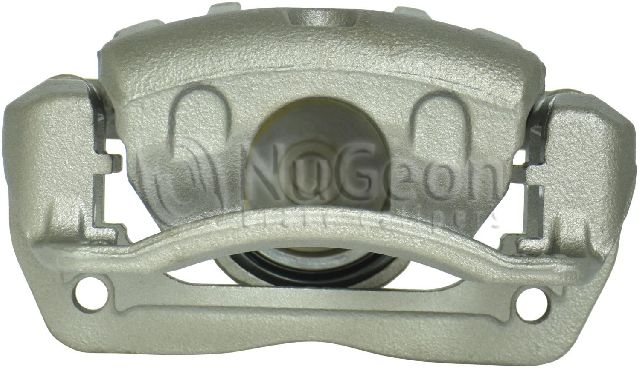

The information in this article is provided for general reference and educational purposes only. Vehicle specifications, procedures, and part compatibility can vary by production date, trim level, and region. Always consult your vehicle's factory service manual and verify part numbers before purchasing or performing repairs. Safety-critical components such as airbags, seat belts, and braking systems should be installed by a qualified professional.
- Kia Sorento:
- 🎬 Helpful Videos
- 🛍️ Shop This Part
- Common Symptoms of a Failing Brake Caliper
- Known Issues: 2011 Recall and Sticking Pins
- Choosing the Right Aftermarket Caliper
- Brand Quality Tiers
- Common Ordering Mistakes
- Brake Caliper Replacement Cost for 2011-2020 Kia Sorento
- Frequently Asked Questions
- 🎟️ Get 5% Off