

A Kia Sorento Owner's Guide to Front Suspension Control Arms (2011-2020)
Hearing clunks, feeling vibrations, or fighting a wandering steering wheel? Your Sorento's control arms could be the problem.
- The most common symptom of a bad control arm on a 2011-2020 Sorento is a clunking noise from the front end over bumps.
- A wheel alignment is mandatory after replacing control arms to ensure safety and prevent tire damage.
- It is highly recommended to replace the entire control arm assembly, not just the bushings, and to replace them in pairs (left and right).
- While no recalls exist for the front control arms, a 2016 Sorento recall for the rear suspension highlights the importance of inspecting suspension components.
Is My Sorento's Control Arm Failing?

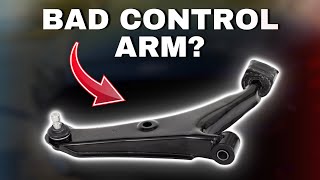
Control arms don't last forever. The bushings crack and the ball joints wear out from constant movement and impacts from road hazards. For the 2011-2020 Sorento, the most common failures are worn-out bushings and ball joints, which are integrated into the arm. It is almost always better to replace the entire control arm assembly rather than trying to press in new bushings or a new ball joint.
Key Failure Symptoms:
- Clunking or Popping Noises: This is the most common sign. You'll hear a distinct noise from the front end when driving over bumps, speed bumps, or even up a sloped driveway.
- Steering Wander: You feel like you're constantly making small steering corrections to keep the Sorento driving straight on the highway.
- Vibrations in Steering Wheel: A vibration or shimmy that you can feel in the steering wheel, which may change with speed.
- Uneven Tire Wear: Worn control arm components throw off the alignment, causing the inside or outside edge of your front tires to wear down quickly.
- Pulling to One Side: The vehicle may pull to the left or right, especially when braking.
Known Suspension Issues for Kia Sorento
While there are no specific recalls for the front control arms on the 2011-2020 models, there was a recall for some 2016 Kia Sorento vehicles (NHTSA #16V480000). This recall concerned improper welds on the rear cross-member, which could affect rear suspension alignment. Additionally, Kia issued a Technical Service Bulletin (TSB) for a creaking noise on some models made before February 2015, which could be caused by sub-frame bolts, not the control arm itself. If you hear a noise, it's important to have a mechanic properly diagnose the source.
Choosing the Right Aftermarket Control Arm

When your original control arms wear out, you have several aftermarket options. They generally fall into three quality and price tiers. For a daily-driven Sorento, a quality mid-range part often provides the best value.
| Brand Tier | Brands | Typical Price (per arm) | Best For |
|---|---|---|---|
| Premium / Heavy-Duty | Moog, Delphi | $90 - $155 | Owners who want OE-or-better quality and maximum longevity. Moog and Delphi are well-regarded brands known for quality engineering. |
| Mid-Range / OE-Style | Mevotech, Beck Arnley | $65 - $110 | The best balance of price and quality for most Sorento owners. Mevotech offers some innovative designs and is often seen as a strong value. |
| Economy | Dorman, Suspensia | $40 - $75 | Budget-focused repairs where initial cost is the main priority. These will get the job done but may not have the same long-term durability as premium options. |
Pro Tip: Always replace control arms in pairs (both left and right). If one side has failed due to age and mileage, the other side is likely not far behind. Replacing both ensures balanced handling and saves you from doing the same job twice.
Frequently Asked Questions (FAQ)

Is a wheel alignment necessary after replacing control arms?
Yes, absolutely. Replacing a control arm will always change your vehicle's alignment settings. You MUST get a professional wheel alignment immediately after the repair to prevent unsafe handling and rapid tire wear.
Can I replace just the bushing or ball joint?
While technically possible on some arms, it is not recommended. The labor involved in pressing old bushings/joints out and new ones in is often more difficult and costly than simply replacing the entire control arm assembly, which comes with new bushings and a new ball joint pre-installed.
I hear a clunk, but my mechanic says the control arms are fine. What else could it be?
On some Sorento models, a clunking or creaking noise can come from loose or incorrect rear sub-frame bolts, or improperly torqued strut nuts, as noted in a Kia TSB. Worn sway bar links are also a very common source of front-end clunking noises on these vehicles.
How difficult is it to replace a Sorento control arm myself?
For a DIYer with good mechanical skills and the right tools, this is a manageable job. It typically takes 1-2 hours per side. You will need a floor jack, jack stands, a breaker bar for tight bolts, and a torque wrench. Some mechanics use a special fork tool to separate the ball joint, but it's not always required.
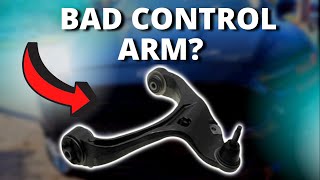
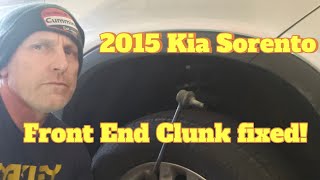
Helpful Videos
Technical Specifications
OEM Part Numbers: 54501-2P201 54500-C5150 54500-C6000
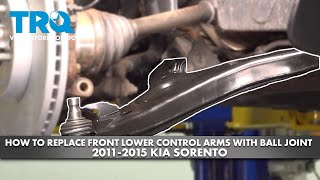
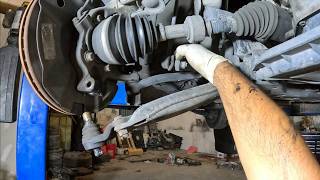
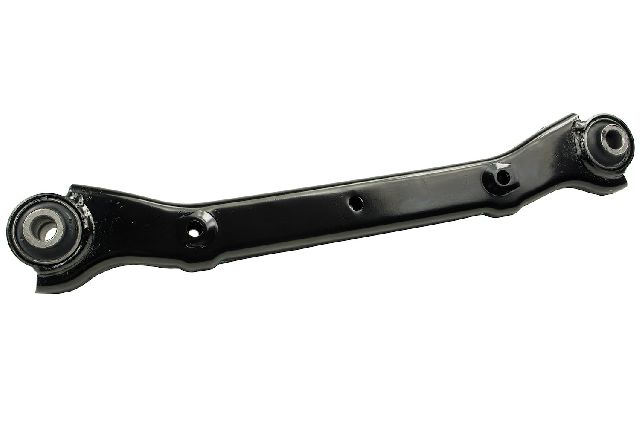
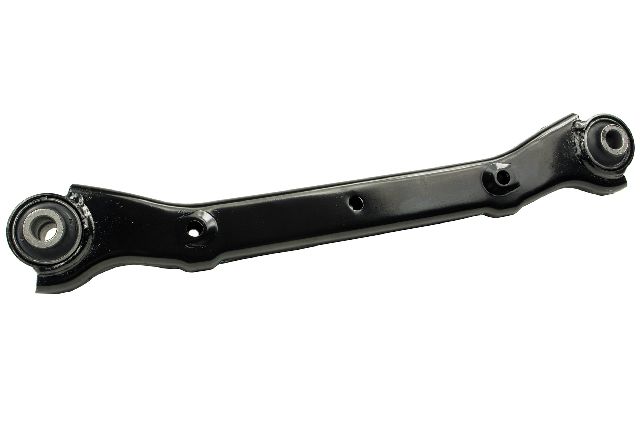
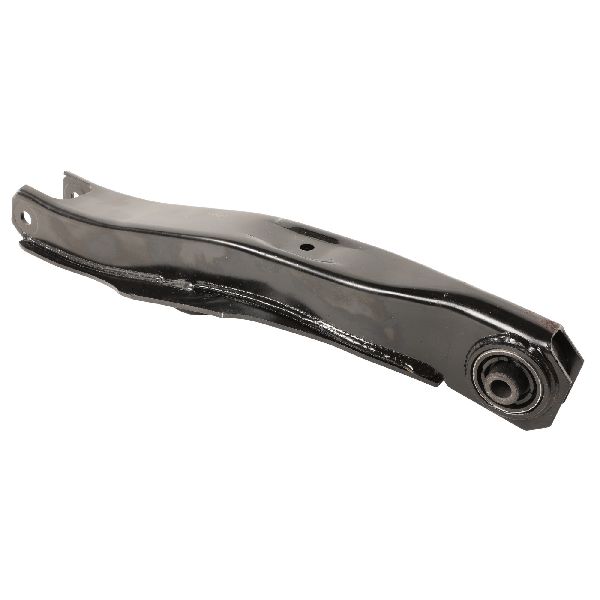
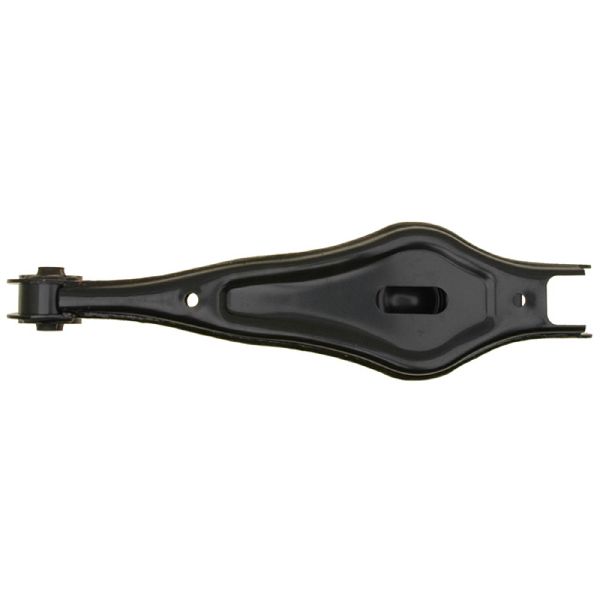
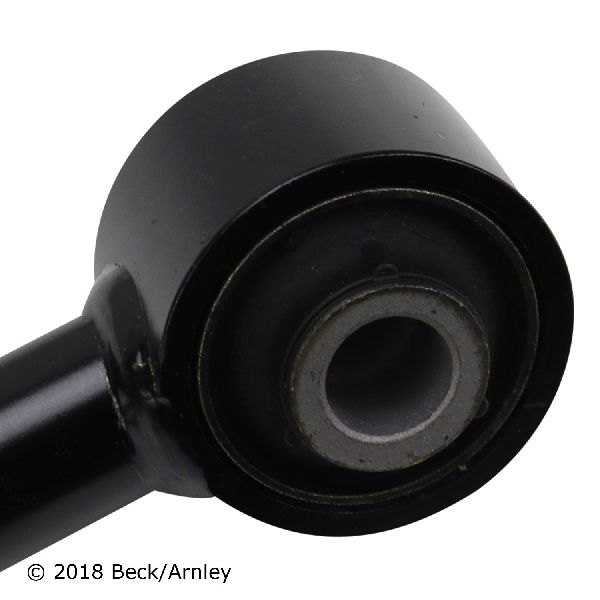
The front lower control arm for the 2011-2020 Kia Sorento is typically a steel or aluminum assembly that includes pre-installed rubber bushings and an integrated, non-serviceable ball joint.
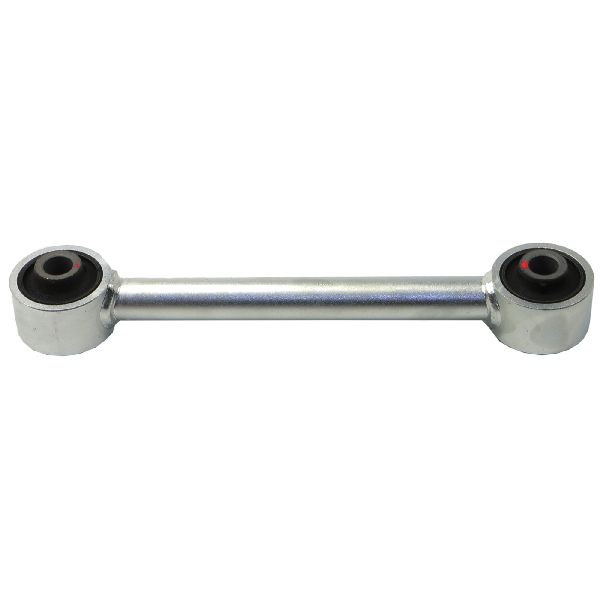
We Have This Part in Stock

The information in this article is provided for general reference and educational purposes only. Vehicle specifications, procedures, and part compatibility can vary by production date, trim level, and region. Always consult your vehicle's factory service manual and verify part numbers before purchasing or performing repairs. Safety-critical components such as airbags, seat belts, and braking systems should be installed by a qualified professional.
- Kia Sorento: