

A Volvo S60 Owner's Guide to the Engine Coolant Temperature Sensor (2011-2021)
Understand the symptoms of a failing coolant sensor in your S60 and learn how to choose the best new aftermarket replacement.
- A bad ECT sensor can cause more than just a faulty gauge; it can lead to poor fuel economy, black smoke, and engine overheating.
- For a balance of quality and cost, choose an aftermarket brand that is a known OEM supplier for European cars, such as Delphi or Vemo.
- While there are no direct recalls for the sensor, check with a dealer for any related software updates or service actions for your specific VIN.
- Replacement is a feasible DIY task for many owners and can be completed in under an hour with basic tools.
Is Your S60's Coolant Sensor Failing?

A faulty Engine Coolant Temperature (ECT) sensor can cause a surprising number of problems that might not seem related to engine temperature at first. Because the sensor's reading affects so many engine functions, a bad signal can confuse your car's computer. This can lead to poor performance and, if ignored, more serious issues.
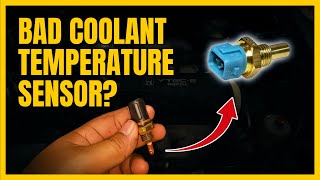
🎬 Watch: 8 common symptoms of a failing coolant sensorKey Failure Symptoms:
- Check Engine Light: This is often the first sign. The car's computer detects a signal from the sensor that is out of the expected range and triggers a warning light. Common trouble codes include P0116, P0117, and P0118. 🎬 See how to diagnose and fix a P0117 trouble code
- Poor Fuel Economy: If the sensor wrongly tells the computer the engine is cold, the computer will enrich the fuel mixture, similar to how a choke works on an older engine. This wastes gas and reduces your MPG.
- Black Smoke from Exhaust: A very rich fuel mixture may not burn completely, leading to black, sooty smoke from the tailpipe, especially during acceleration.
- Erratic Temperature Gauge: The gauge on your dashboard might not move at all, shoot straight to hot, or bounce around unpredictably.
- Engine Overheating: If the sensor fails to report that the engine is getting too hot, the ECU may not turn on the cooling fans when needed, leading to overheating.
- Rough Idling or Hard Starts: The incorrect fuel mixture caused by a bad sensor can make the engine run rough, especially when it's cold.
Can I Keep Driving with a Bad ECT Sensor?
It's not recommended for long. While the car may still run, you risk poor fuel economy, increased emissions, and potentially severe engine damage from overheating if the cooling fans don't operate correctly. It's best to address the issue promptly.
Choosing the Right Aftermarket Sensor

When replacing the ECT sensor on your S60, you have a choice between Genuine Volvo parts and a variety of aftermarket brands. For a simple but critical electronic sensor like this, quality matters. Forum discussions among Volvo owners often suggest that while the cheapest option might be tempting, it can fail quickly. Sticking with a reputable brand is a safer bet.
Brand Quality Tiers for Your Volvo:
- Tier 1 - OEM Suppliers (Recommended): Brands like Delphi and Vemo are often original equipment manufacturers for many European cars. They produce parts to the same standards as the genuine Volvo part but are usually less expensive. Choosing an OEM supplier like Delphi offers a great balance of proven quality and value.
- Tier 2 - Reputable Aftermarket: Brands such as Standard Ignition (SMP), Walker Products, and Beck Arnley have a long history of producing reliable aftermarket components. They are a solid choice and are widely available.
- Tier 3 - Value Brands: Brands like Global Parts are typically the most affordable. While they can get the job done, their long-term reliability can be inconsistent compared to higher-tier brands.
Pro Tip: Some Volvo enthusiasts have noted that the original Volvo sensor is sometimes a VDO-branded part. If you can find a VDO sensor, it is likely identical to the genuine part without the Volvo box and price tag.
Cost of Replacing the S60 Coolant Sensor
The cost to replace the ECT sensor is relatively low compared to many other engine repairs. The part itself is affordable, and the labor is straightforward for a professional mechanic.
| Part/Service | Estimated Cost |
|---|---|
| New Aftermarket ECT Sensor | $19.59 - $78.96 |
| New Genuine Volvo (OEM) ECT Sensor | $70 - $120 |
| Shop Labor | $60 - $120 |
| Total Estimated Cost (Aftermarket Part + Labor) | $80 - $200 |
Frequently Asked Questions

Where is the ECT sensor located on a 2011-2021 Volvo S60?
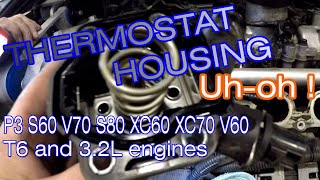
The Engine Coolant Temperature sensor is typically located on the thermostat housing, which is found on the top or side of the engine, usually where the large upper radiator hose connects to the engine block. 🎬 Watch this walkthrough of the thermostat housing and sensor location On many S60 engines, you may need to remove the plastic engine cover to see it.
Is this a difficult DIY job?
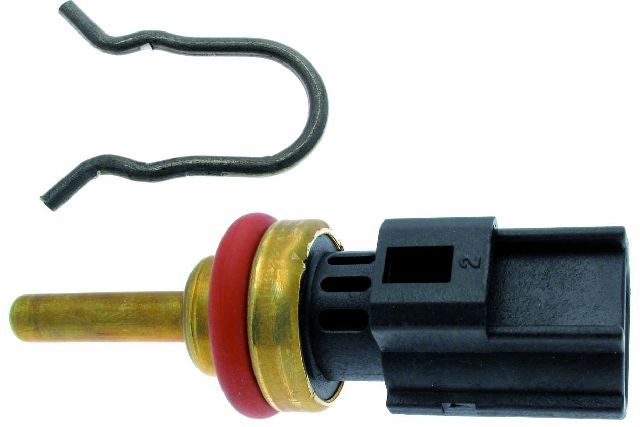
For a moderately experienced DIYer, this is a manageable job. The sensor is usually held in by a clip or threads into the housing. The main challenges are accessing it (which can be tight on some engine variants) and minimizing coolant loss during the swap. The job typically takes less than an hour.
Are there any recalls for the coolant sensor on the S60?
Searches of NHTSA records did not show any direct recalls for the Engine Coolant Temperature Sensor itself on the 2011-2021 Volvo S60. However, there have been service actions and recalls related to the cooling system and thermostat monitoring software on some model years, which can cause similar symptoms. A Volvo dealer can check your vehicle's VIN for any open campaigns.
Do I need to drain the coolant to replace the sensor?
You don't need to drain the entire system, but you will lose some coolant when you remove the old sensor. To minimize the mess, have the new sensor ready to install immediately after you remove the old one. It's a good idea to have some pre-mixed Volvo-spec coolant on hand to top off the system afterward.
Helpful Videos


Technical Specifications
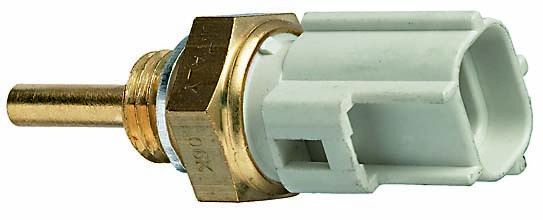
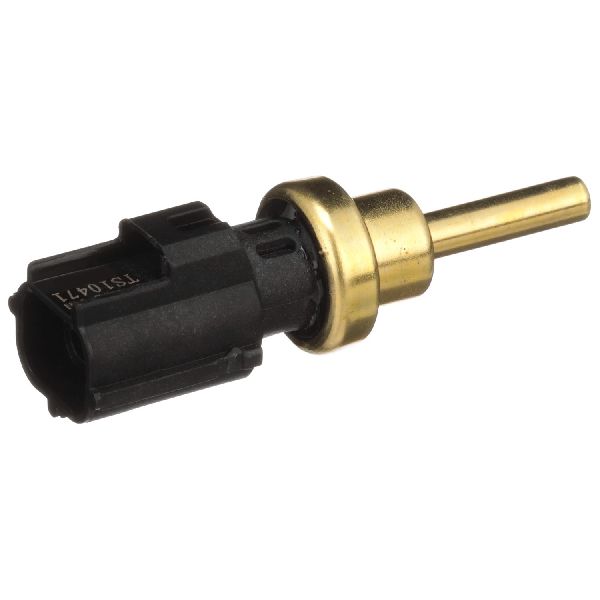
OEM Part Numbers: 31355151 31339941 30795275
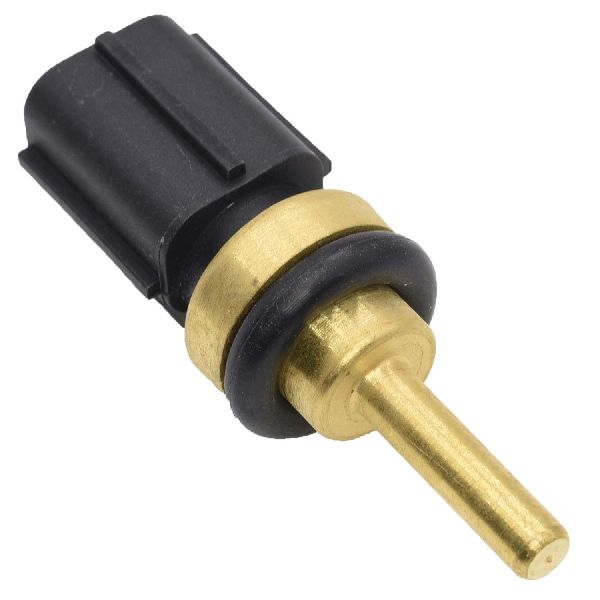
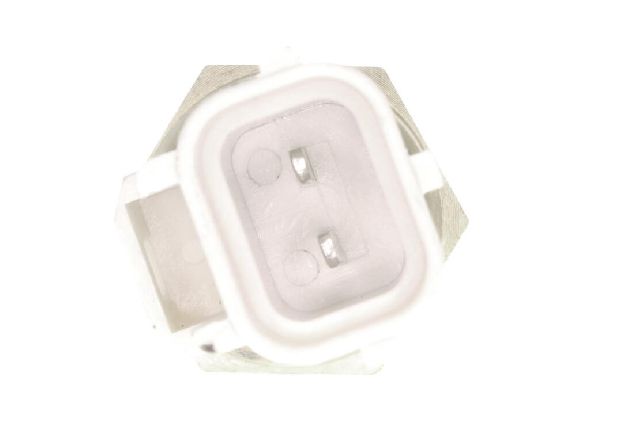
Typically a 2-pin thermistor sensor that threads into the thermostat housing. Resistance changes with coolant temperature.
We Have This Part in Stock


The information in this article is provided for general reference and educational purposes only. Vehicle specifications, procedures, and part compatibility can vary by production date, trim level, and region. Always consult your vehicle's factory service manual and verify part numbers before purchasing or performing repairs. Safety-critical components such as airbags, seat belts, and braking systems should be installed by a qualified professional.
- Volvo S60: