

Ford Mustang Engine Mount Replacement Guide: 2011-2022
Tired of vibrations or clunking noises? Your Mustang's engine mounts might be to blame, especially on 2015 and newer models.
- The hydraulic engine mounts on 2015-2022 (S550) Mustangs are a very common failure point; look for fluid leaks as a clear sign of failure.
- Upgrading to aftermarket polyurethane mounts from brands like BMR or Ford Performance will improve performance but will increase cabin vibration (NVH).
- Budget brands like Anchor and DEA are not recommended due to widespread reports of poor quality and premature failure.
- Always replace engine mounts in pairs to ensure the engine is supported evenly.
Is Your Mustang's Engine Mount Failing?

Engine mounts are a common wear item on the 2011-2022 Ford Mustang, but the reason for failure often depends on your vehicle's generation. If you notice a new vibration in the steering wheel or seat, or hear a distinct 'clunk' when you accelerate, your mounts are the likely culprit.
🎬 Watch: How to tell if your motor mounts have failedGeneration-Specific Issues
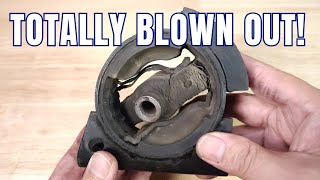
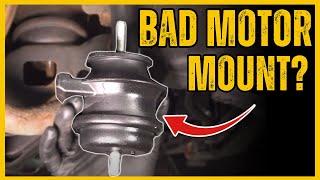
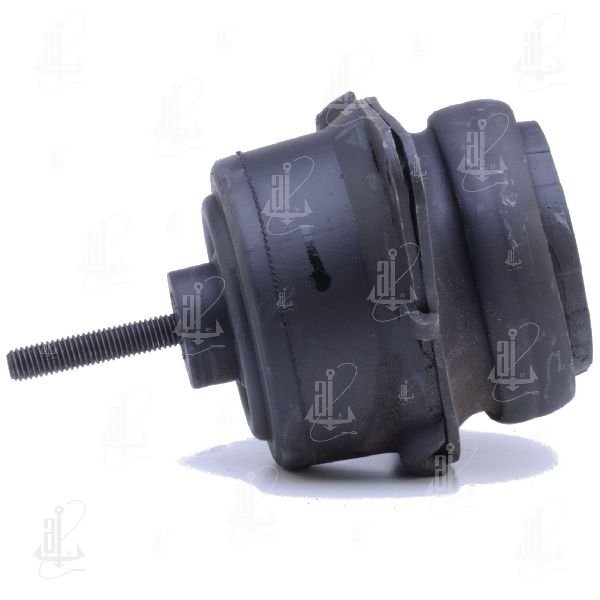
- 2015-2022 (S550): These models use liquid-filled hydraulic mounts from the factory. While they provide excellent vibration damping for a comfortable ride, they are a known weak point and are prone to leaking and collapsing. A visual inspection may reveal dark fluid residue on or below the mount, which is a sure sign of failure.
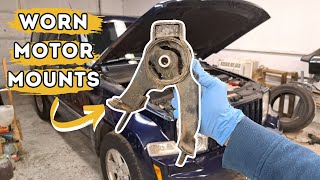
- 2011-2014 (S197): These models use a more traditional solid rubber mount. They are generally more durable than the S550's hydraulic mounts but can still wear out, crack, and compress over time, leading to similar symptoms of vibration and excessive engine movement.
Known Issues: Leaking S550 Mounts
The factory hydraulic engine mounts on 2015-2022 Mustangs are a frequent failure point. The internal fluid leaks out, causing the mount to sag and fail. This results in significant engine vibration at idle, clunking noises, and excessive engine movement. Many owners choose to replace them with more durable aftermarket options rather than another set of failure-prone OEM hydraulic mounts.
Choosing the Right Aftermarket Engine Mount

When shopping for new engine mounts, you have three main categories to choose from, each with a distinct trade-off between comfort and performance.
Tier 1: Street Performance (Polyurethane)
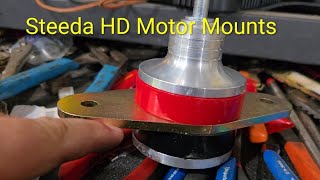
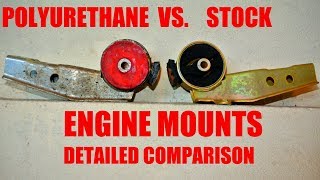
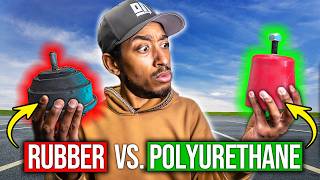
For the enthusiast looking to improve performance, polyurethane mounts are the best option. They replace the soft factory rubber or hydraulic fluid with a much stiffer polyurethane bushing.
- Brands: BMR Suspension, Ford Performance, Granatelli
- Pros: Drastically reduces engine movement, improves throttle response, and provides a more connected shifting feel in manual cars. This is a must-have for modified or track-driven Mustangs.
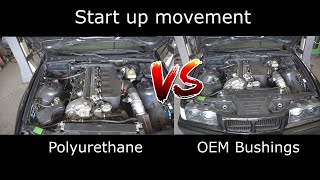
- Cons: The main drawback is a significant increase in Noise, Vibration, and Harshness (NVH) felt in the cabin. While some drivers get used to it, others may find it too harsh for a daily driver. Brands like BMR often include different bushing hardness levels to help you find a balance. 🎬 See a detailed comparison between polyurethane and stock mounts
What is NVH?
NVH stands for Noise, Vibration, and Harshness. Stiffer engine mounts made of polyurethane or solid metal transmit more of the engine's natural vibrations into the car's frame, which you feel in the seat and steering wheel. Softer rubber or hydraulic mounts are designed to absorb these vibrations for a more comfortable ride.
Tier 2: Standard Replacement (OEM-Style)
If your goal is to restore factory ride quality, a direct replacement is your best bet. These are designed to mimic the original part's feel and vibration absorption.
- Brands: Ford (OEM), Pioneer Cable
- Pros: Provides the quietest and smoothest operation, ideal for a comfortable daily driver.
- Cons: If you have a 2015-2022 Mustang, a new set of OEM hydraulic mounts will eventually fail in the same way as the originals.
Tier 3: Budget Brands
These are the most affordable options but come with significant risks in quality and longevity.
- Brands: Anchor, DEA
- Pros: Low initial cost.
- Cons: These brands have a reputation in enthusiast forums for poor quality control, using rubber that is either too hard (causing vibration) or too soft, leading to premature failure. They are generally not recommended unless budget is the only consideration.
Cost of Replacing Ford Mustang Engine Mounts

| Part Type | Estimated Cost (Pair) |
|---|---|
| New OEM | $200 - $350 |
| New Aftermarket (Performance) | $180 - $285 |
| New Aftermarket (Standard) | $71 - $175 |
| Shop Labor | $250 - $500 |
Frequently Asked Questions
Are there any recalls for Mustang engine mounts?
No, there are no active recalls from Ford or the NHTSA for engine mount failure on the 2011-2022 Mustang. The issue, while common on S550 models, is considered a wear-and-tear item and is not covered by a safety recall.
Can I install new engine mounts myself?
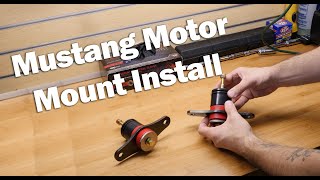
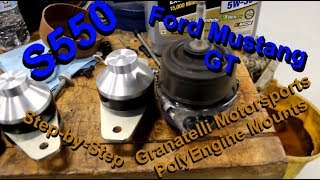
Yes, this is a DIY-feasible job for someone with the right tools and mechanical experience. The process involves safely supporting the engine, unbolting the old mounts, slightly raising the engine, and swapping in the new parts. The driver's side mount is known to be more challenging due to tight clearances.
🎬 Watch this step-by-step S550 Mustang engine mount installation guideShould I replace my mounts in pairs?
Yes, it is always recommended to replace both the left and right engine mounts at the same time. If one has failed, the other has been subjected to the same age and stress and is likely not far behind. Replacing them in pairs ensures even support and stability for the engine.
Will polyurethane mounts cause my check engine light to come on?
In some rare cases, the increased vibration from very stiff mounts can trigger false knock sensor readings, which could cause the engine's computer (PCM) to pull timing and potentially illuminate the check engine light. However, this is not a common issue with most street-focused polyurethane mounts.
Helpful Videos
Technical Specifications
OEM Part Numbers: FR3Z-6038-H FR3Z-6038-F BR3Z-6038-A BR3Z-6038-B M-6038-M50
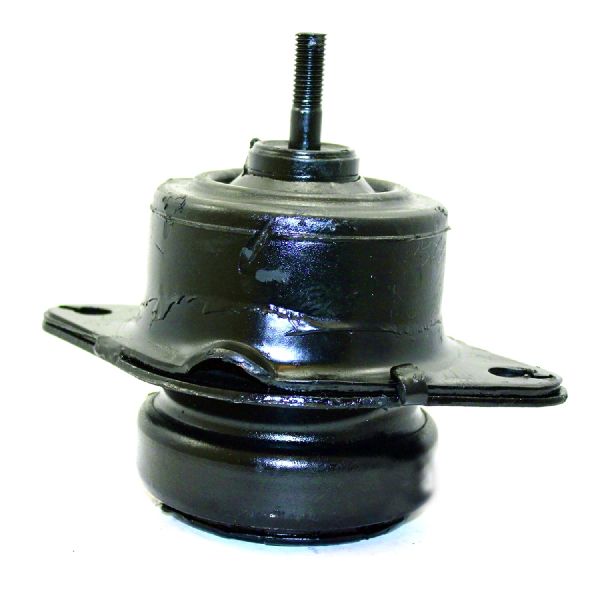
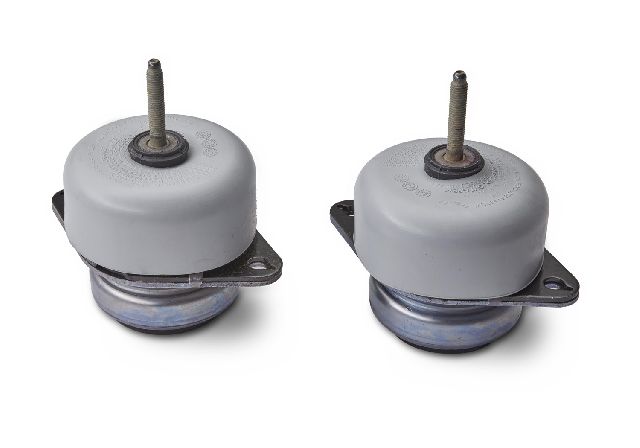
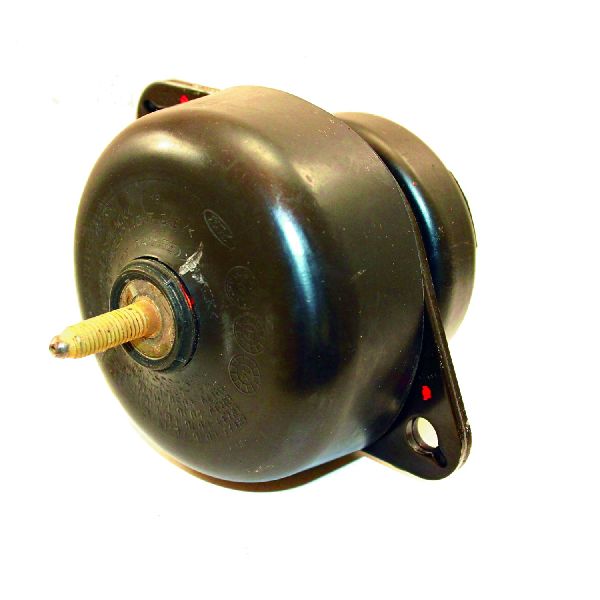
Vehicle utilizes two engine mounts. 2011-2014 models use solid rubber mounts. 2015-2022 models use hydraulic (fluid-filled) mounts.
We Have This Part in Stock


The information in this article is provided for general reference and educational purposes only. Vehicle specifications, procedures, and part compatibility can vary by production date, trim level, and region. Always consult your vehicle's factory service manual and verify part numbers before purchasing or performing repairs. Safety-critical components such as airbags, seat belts, and braking systems should be installed by a qualified professional.
- Ford Mustang:
- 🎬 Helpful Videos
- 🛍️ Shop This Part
- Is Your Mustang's Engine Mount Failing?
- Generation-Specific Issues
- Known Issues: Leaking S550 Mounts
- Choosing the Right Aftermarket Engine Mount
- Tier 1: Street Performance (Polyurethane)
- What is NVH?
- Tier 2: Standard Replacement (OEM-Style)
- Tier 3: Budget Brands
- Cost of Replacing Ford Mustang Engine Mounts
- Frequently Asked Questions
- 🎟️ Get 5% Off