

Volvo S60 Intercooler Hose Guide for 2011-2022 Models
Is your turbocharged S60 feeling sluggish or making a hissing sound? A failing intercooler hose could be the problem.
- A failing intercooler hose will cause significant power loss, hissing noises, and likely a P0299 check engine code.
- The original rubber hoses are known to get soft and fail from oil exposure; this is a common wear item, not a recall issue.
- For a durable replacement, choose a quality aftermarket brand like Gates or upgrade to a silicone hose for superior longevity.
- Avoid budget brands like Professional Parts Sweden, as forum users report poor quality and premature failures.
Understanding Intercooler Hose Failure in Your S60
The intercooler hoses on your 2011-2022 Volvo S60 are essential for engine performance. Over time, the original rubber hoses are exposed to heat, pressure, and oil vapor from the engine's ventilation system. This can cause the rubber to become soft, oil-soaked, and weak. A failing hose can split, crack, or even collapse, creating a leak in the system. This is often called a "boost leak" because the pressurized air from the turbo escapes before it can get to the engine.
Symptoms of a Bad Intercooler Hose
A boost leak from a bad hose will cause noticeable problems. Here’s what to look for:
- Loss of Power: Your S60 will feel noticeably slower and sluggish, especially when you accelerate. This is the most common symptom.
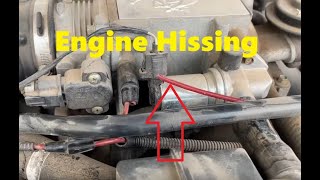
- Hissing or Whistling Noise: You may hear a distinct hissing sound from the engine bay that gets louder as you press the gas pedal. This is the sound of air escaping the cracked hose. 🎬 Watch: Common causes of engine hissing and boost leaks.
- Check Engine Light: A significant leak will often trigger the check engine light. The most common code is P0299 (Turbocharger Underboost Condition), which means the system isn't getting enough pressure.
- Worse Gas Mileage: Your engine has to work harder to make power, which means it burns more fuel.
- Black Smoke: In some cases, the wrong air-to-fuel mixture can cause black smoke to come from the exhaust pipe.
Known Issues: No Recalls, Just Wear and Tear
Searches of the National Highway Traffic Safety Administration (NHTSA) database show no specific recalls for intercooler hose failures on the 2011-2022 Volvo S60. Problems with these hoses are typically considered a normal wear-and-tear issue. The original rubber hoses are known to degrade over many years and miles, becoming soft and eventually failing.
Choosing the Right Aftermarket Hose
When replacing your S60's intercooler hose, you have a few options. The quality can vary, so it's important to choose wisely.
OEM vs. Aftermarket Quality
The original equipment (OEM) hose from Volvo is made of rubber and will eventually fail again in the same way. Aftermarket parts offer a choice in quality and materials.
- Good Tier (OEM-Equivalent): Brands like Gates are known for making high-quality replacement parts that meet or exceed original specifications. Their hoses often use improved materials like aramid reinforcement and oil-resistant liners to last longer than the original part. This is a reliable and safe choice for most owners.
- Upgrade Tier (Performance Silicone): Many owners choose to upgrade to multi-ply silicone hoses. These are stronger than rubber, resist oil and heat better, and won't balloon or collapse under pressure. This is a great option if you want improved durability and reliability.
- Economy Tier: Brands like Professional Parts Sweden are often found at lower prices, but owner reviews are consistently poor. Reports mention low-quality materials, parts failing quickly, and even arriving defective. It is generally recommended to avoid these cheaper options to prevent having to do the job twice.
Pro Tip: Inspect Your Hoses
When you're working on your engine, give the intercooler hoses a squeeze. A healthy hose should feel firm. If it feels soft, spongy, or looks swollen and oily, it's a good idea to replace it before it fails completely and leaves you with a loss of power.
Cost of Replacing a Volvo S60 Intercooler Hose
The cost will depend on the part you choose and whether you do the work yourself or hire a professional mechanic.
| Part or Service | Estimated Cost |
|---|---|
| New Aftermarket Hose | $73 - $139 |
| New OEM Hose (Dealer) | $100 - $220 |
| Used OEM Hose | $40 - $80 |
| Shop Labor | $100 - $300 |
Frequently Asked Questions
Can I drive my S60 with a bad intercooler hose?
You can, but it's not recommended. Your car will have very little power, get poor gas mileage, and may go into a reduced-power "limp mode." Continuing to drive with a major boost leak can also cause the turbocharger to over-speed as it tries to compensate, potentially leading to more expensive damage.
Is replacing an intercooler hose a DIY job?
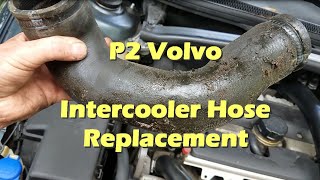
Yes, for many owners this is a manageable DIY task. It typically requires basic hand tools like a screwdriver or socket set to loosen the clamps holding the hose in place. Access can sometimes be tight, but it usually doesn't require removing major components like the bumper. There are many video tutorials online that can guide you.
🎬 See this step-by-step Volvo intercooler hose replacement walkthrough.What does the code P0299 mean?
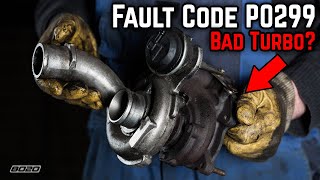
P0299 stands for "Turbocharger/Supercharger Underboost Condition." This means the engine's computer detected that the boost pressure is much lower than expected. While a bad turbo can cause this, the most common reason is a leak in the system, with a split intercooler hose being a primary suspect.
🎬 Watch: Why you shouldn't replace your turbo for a P0299 code.Why is there oil in my intercooler hose?
A small amount of oil film inside the intercooler hoses is normal. This oil comes from the engine's crankcase ventilation (PCV) system, which routes oil vapor back into the intake. However, it's this oil that breaks down the rubber hoses over time, causing them to become soft and fail.
Helpful Videos

Technical Specifications
OEM Part Numbers: 30792545 30741795 31338087 30740995 31370222 31338090
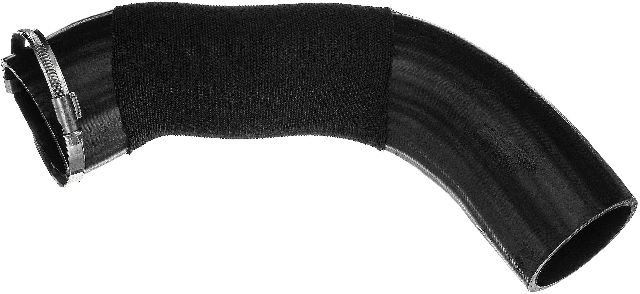
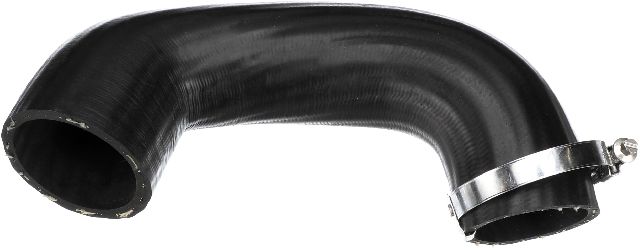
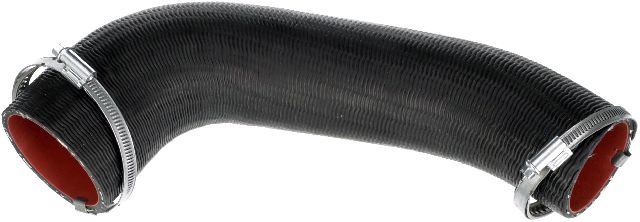
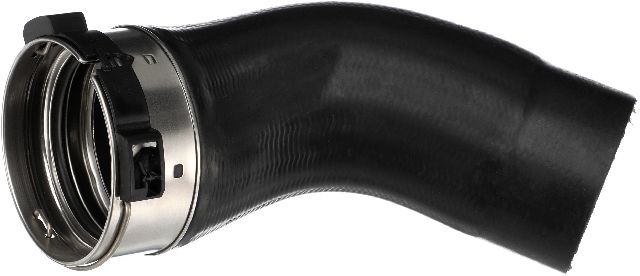
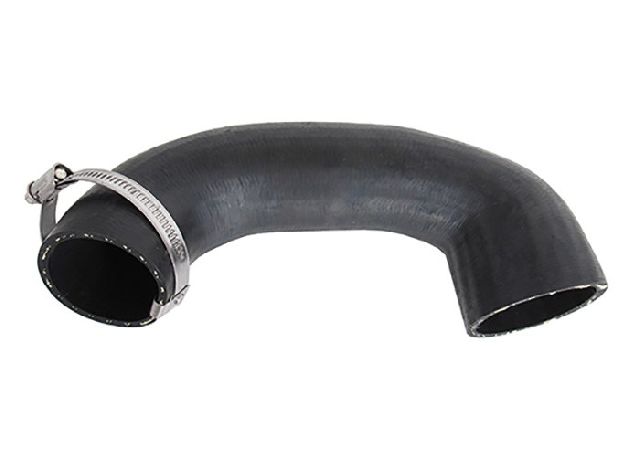
Hoses are typically made from multi-layer reinforced rubber or silicone. They connect the turbocharger outlet to the intercooler inlet, and the intercooler outlet to the throttle body. Failure is common due to heat, pressure, and oil saturation from the PCV system.
We Have This Part in Stock


The information in this article is provided for general reference and educational purposes only. Vehicle specifications, procedures, and part compatibility can vary by production date, trim level, and region. Always consult your vehicle's factory service manual and verify part numbers before purchasing or performing repairs. Safety-critical components such as airbags, seat belts, and braking systems should be installed by a qualified professional.
- Volvo S60:
- 🎬 Helpful Videos
- 🛍️ Shop This Part
- Understanding Intercooler Hose Failure in Your S60
- Symptoms of a Bad Intercooler Hose
- Known Issues: No Recalls, Just Wear and Tear
- Choosing the Right Aftermarket Hose
- OEM vs. Aftermarket Quality
- Pro Tip: Inspect Your Hoses
- Cost of Replacing a Volvo S60 Intercooler Hose
- Frequently Asked Questions
- 🎟️ Get 5% Off