

A Guide to Replacing Fuel Injectors on the 2011-2023 Chrysler 300
Is a bad fuel injector causing your Chrysler 300 to misfire or run rough? Here’s what you need to know.
- A bad injector typically causes a misfire (P030X codes) or an injector circuit code (P020X).
- It's highly recommended to replace all 6 or 8 injectors at once to save on future labor costs.
- Bosch is an OEM-quality alternative to the more expensive Mopar part; use budget remanufactured brands with extreme caution due to high failure rates.
- On 3.6L V6 engines, the intake manifold must be removed, making the job more involved than on the HEMI V8s.
Is Your Chrysler 300's Fuel Injector Failing?

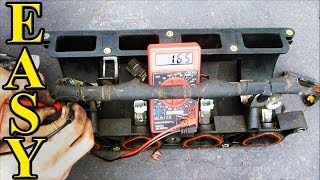
A faulty fuel injector can cause a range of problems, from annoying to serious. Because the injector's job is so precise, any issue, whether it's clogged with fuel deposits or failing electronically, will disrupt your engine's performance. 🎬 Learn how to test fuel injector resistance with a multimeter. Ignoring these symptoms can lead to poor fuel economy, failed emissions tests, and potentially more expensive engine damage down the road.
Symptoms of a Bad Fuel Injector
- Engine Misfires and Rough Idle: The most common symptom. Your car may shake or sputter, especially when stopped at a light. This is often accompanied by a flashing or solid Check Engine Light.
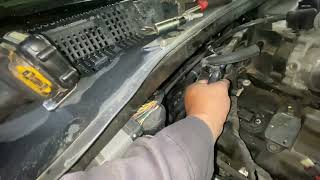
- Check Engine Light: A failing injector can trigger specific trouble codes. Look for codes like P0300 (random misfire) or P0301-P0308 for misfires in specific cylinders. An electrical problem with an injector will usually set a code from P0201 to P0208, pointing directly to the faulty injector's circuit. 🎬 Watch: Diagnosing and replacing a failed injector circuit on a 3.6L engine.
- Poor Acceleration: If a cylinder isn't getting the right amount of fuel, the engine will feel weak and hesitate when you press the gas pedal.
- Worse Fuel Economy: An injector that is stuck open or leaking wastes fuel, causing you to visit the gas station more often.
- Fuel Smell: In some cases, a leaking injector can cause a raw fuel smell under the hood or from the exhaust.
Pro Tip: Rule Out Other Issues First
Misfire codes (P0300 series) on Chrysler 300s can have other causes. Before replacing injectors, it's wise to rule out more common problems like bad spark plugs or ignition coils. On 5.7L HEMI engines, lifter and camshaft failure is a known issue that also causes misfires. On early 2011-2013 models with the 3.6L V6, cylinder head problems were also a known concern that could lead to similar symptoms.
Choosing the Right Aftermarket Fuel Injector

When shopping for a new fuel injector, you'll find several brands. Quality matters, as a cheap, poorly made injector can fail quickly and even cause engine damage. Here’s a breakdown of the brands available.
Brand Quality Tiers
- Tier 1: OEM & OEM-Equivalent (Highest Quality)
Mopar is the original equipment manufacturer (OEM) part for your Chrysler. It guarantees perfect fit and performance but comes at the highest price. Bosch is a highly respected brand that often manufactures the original parts for automakers, including Chrysler. Choosing a Bosch aftermarket injector is often the same as getting the OEM part without the dealership price tag. - Tier 2: Reputable Aftermarket (Good Value)
Standard Ignition (SMP) and Crown Automotive are well-known aftermarket brands. They offer a good balance of quality and price. Crown is often seen as a solid step up from generic parts. Standard is a major manufacturer that produces injectors for many different brands and is generally considered reliable. - Tier 3: Budget & Remanufactured (Use with Caution)
Brands like GBR Fuel Injection (GB Remanufacturing) fall into this category. While the low price is tempting, reviews for these remanufactured parts are very mixed. There are multiple reports of these injectors failing shortly after installation, sometimes by sticking wide open. A stuck-open injector can flood a cylinder with fuel, washing oil from the cylinder walls and potentially causing catastrophic engine damage. Buying from this tier is a significant risk.
A Warning on Remanufactured Injectors
A remanufactured injector that fails by sticking open can be disastrous for your engine. The excess fuel can dilute the engine oil, leading to a lack of lubrication and major internal damage. Given the reports of premature failure, it is highly recommended to invest in a new, quality injector from a Tier 1 or Tier 2 brand.
How Much Does a Fuel Injector Replacement Cost?

The cost depends on whether you're replacing a single injector or a full set, and if you're doing the work yourself or hiring a professional. The job is more complex on the 3.6L V6 because the upper intake manifold must be removed to access the fuel rails.
| Part or Service | Estimated Cost |
|---|---|
| New OEM (Mopar) Injector (1) | $150 - $250+ |
| New Aftermarket Injector (1) | $58 - $150 |
| Shop Labor (Single Injector) | $200 - $400 |
| Total Professional Replacement (1) | $300 - $650 |
Cost estimates are based on national averages and will vary by location and specific vehicle configuration.
Frequently Asked Questions (FAQ)
Should I replace all fuel injectors at once?
It is highly recommended. Fuel injectors operate under the same conditions, and if one has failed due to age or clogging, others are likely to fail soon. Since the labor to access the injectors is significant (especially on the V6), replacing them all at once saves you from paying for the same job again in the near future.
Is replacing a fuel injector a DIY job?
For an experienced DIY mechanic, yes. The process involves depressurizing the fuel system, disconnecting electrical connectors, and removing the fuel rail. On the 3.6L V6, the upper intake manifold must also be removed. 🎬 See this step-by-step walkthrough for replacing V6 fuel injectors. It requires care, the right tools, and attention to detail to avoid fuel leaks. If you are not comfortable working with the fuel system, it's best to leave this job to a professional.
What's the difference between V6 and V8 injector replacement?
On the 3.6L V6, the fuel injectors are located underneath the upper intake manifold, which must be removed. This adds time and complexity to the job. On the 5.7L and 6.4L HEMI V8s, the fuel rails and injectors are more accessible on the sides of the engine, making the replacement process generally faster and easier.
Do I need new gaskets or seals?
Yes. Any time you remove the fuel injectors, you must replace the rubber O-ring seals. New injectors typically come with new seals. If you are removing the intake manifold on a V6, you must also replace the intake manifold gaskets to prevent vacuum leaks.
Helpful Videos
Technical Specifications
OEM Part Numbers: 5184085AC 05184085AC 05037479AA 04591851AA
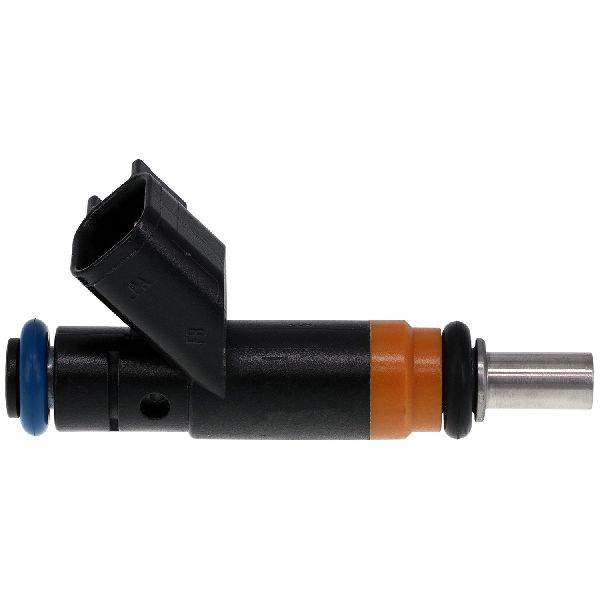
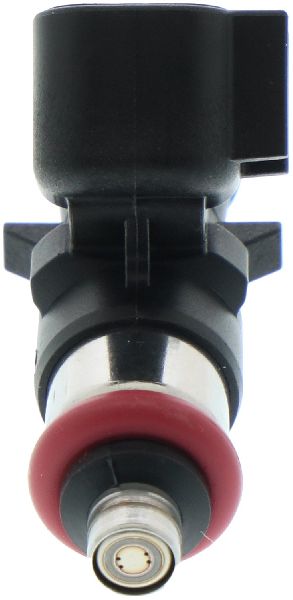
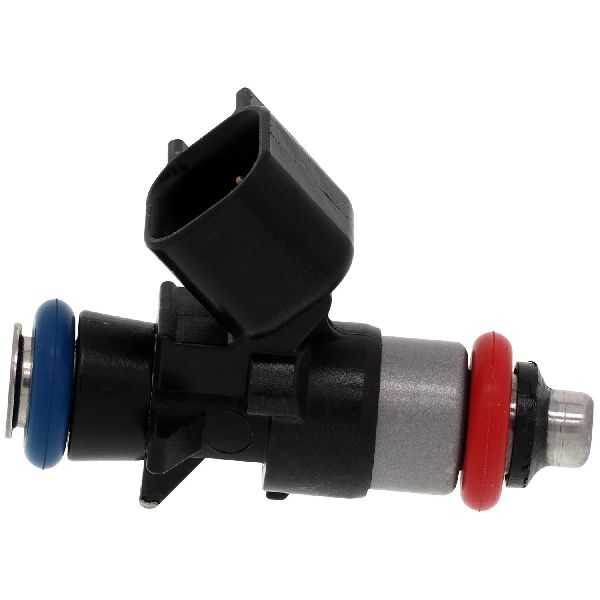
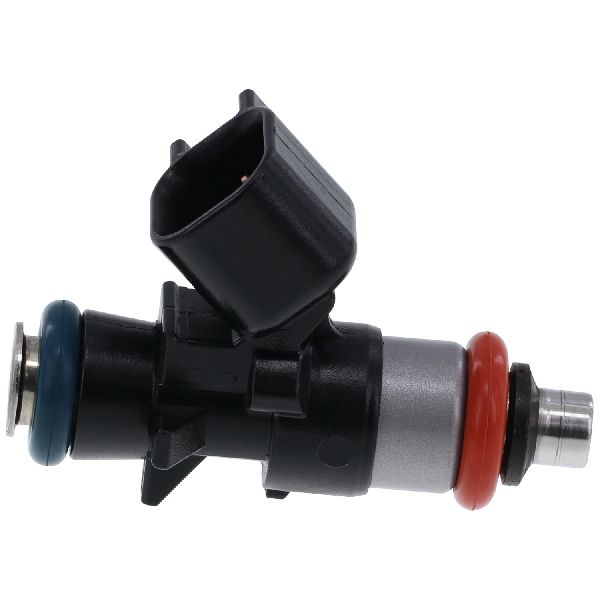
High-impedance, multi-port fuel injector. Specific flow rates vary by engine (3.6L V6, 5.7L V8, 6.4L V8). Always verify the part number with your vehicle's VIN.
We Have This Part in Stock


The information in this article is provided for general reference and educational purposes only. Vehicle specifications, procedures, and part compatibility can vary by production date, trim level, and region. Always consult your vehicle's factory service manual and verify part numbers before purchasing or performing repairs. Safety-critical components such as airbags, seat belts, and braking systems should be installed by a qualified professional.
- Chrysler 300:
- 🎬 Helpful Videos
- 🛍️ Shop This Part
- Is Your Chrysler 300's Fuel Injector Failing?
- Symptoms of a Bad Fuel Injector
- Pro Tip: Rule Out Other Issues First
- Choosing the Right Aftermarket Fuel Injector
- Brand Quality Tiers
- A Warning on Remanufactured Injectors
- How Much Does a Fuel Injector Replacement Cost?
- Frequently Asked Questions (FAQ)
- 🎟️ Get 5% Off