

A Ford Mustang Owner's Guide to Fuel Injectors (2011-2023)
Solving rough idles, misfires, and fuel economy issues starts with understanding your Mustang's fuel injectors.
- You MUST verify your engine type before buying; 2018+ 5.0L V8 and EcoBoost engines use different, more complex injectors than earlier models.
- A strong fuel smell is a critical warning of a leak and a fire hazard; do not drive the vehicle and seek immediate inspection.
- Check for open recalls on the NHTSA website, as your Mustang may be eligible for a free repair or extended warranty on its fuel injectors.
- For a stock replacement, Motorcraft (OEM) and Bosch are top-tier choices, with Standard Ignition and Walker Products offering reliable value.
Understanding Fuel Injector Failure in Your Mustang

Fuel injectors live in a harsh environment of high heat and pressure. Over time, they can become clogged with fuel deposits, wear out electrically, or develop leaks. For Mustang owners, this can lead to a variety of noticeable engine problems. Direct injection (GDI) systems, found in EcoBoost and 2018+ V8 models, are particularly sensitive to carbon buildup on the injector tip, which can disrupt the spray pattern and cause issues.
Important: Check for Recalls
Ford has issued recalls for certain Mustang models due to fuel injector issues that could cause a fuel leak and increase the risk of an under-hood fire.
- NHTSA Recall 22V859 (Ford 22S73): Affects some models with EcoBoost engines where a cracked injector could leak fuel. The fix involves installing a drain tube and a software update. This recall also extends the warranty on the injectors to 15 years or 150,000 miles for affected vehicles.
- NHTSA Recall 24V-634: A small recall for a handful of 2024 Mustangs where injectors may be missing O-ring support discs, potentially causing a leak.
Always check your vehicle's VIN on the NHTSA website to see if any open recalls apply to your car.
Symptoms of a Bad Fuel Injector

A failing injector throws off the engine's air-fuel mixture. Here’s what to look and listen for:
- Rough Idle & Misfires: The most common symptom. Your engine may shake or sputter, especially when stopped. This can trigger a Check Engine Light with codes like P0300 (random misfire) or P0301-P0308 (for a specific cylinder).
- Poor Fuel Economy: If an injector is stuck open or leaking, it wastes gas.
- Hesitation or Power Loss: The engine may feel sluggish or hesitate when you accelerate.
- Fuel Smell: A strong smell of raw gasoline in or around the car is a serious sign of a leak. This is a fire hazard and should be inspected immediately.
- Hard Starting: A leaky injector can flood a cylinder when the engine is off, making it difficult to start.
Choosing the Right Aftermarket Injector

When shopping for a replacement, it's critical to buy the correct part for your Mustang's specific engine. An injector for a 2014 5.0L V8 will not work in a 2019 5.0L V8.
Pro Tip: Always replace the injector O-rings when you replace an injector. These small rubber seals are critical for preventing fuel and air leaks. It's also a good practice to replace injectors as a set, especially on high-mileage engines, to ensure balanced fuel delivery across all cylinders.
Brand Tiers for Aftermarket Injectors
- OEM (Motorcraft): The original part your Mustang was built with. Offers guaranteed fit, function, and quality, but at the highest price.
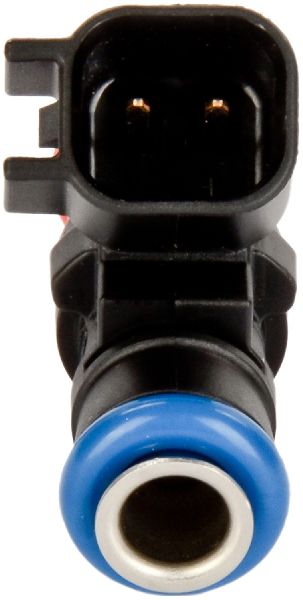
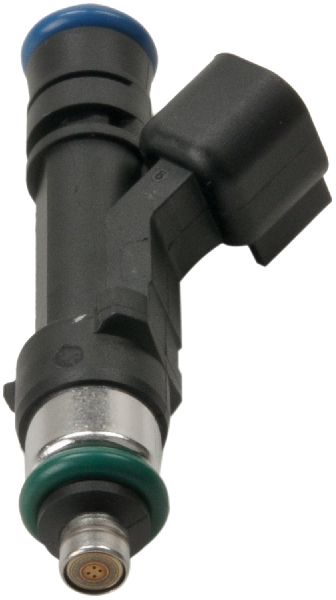
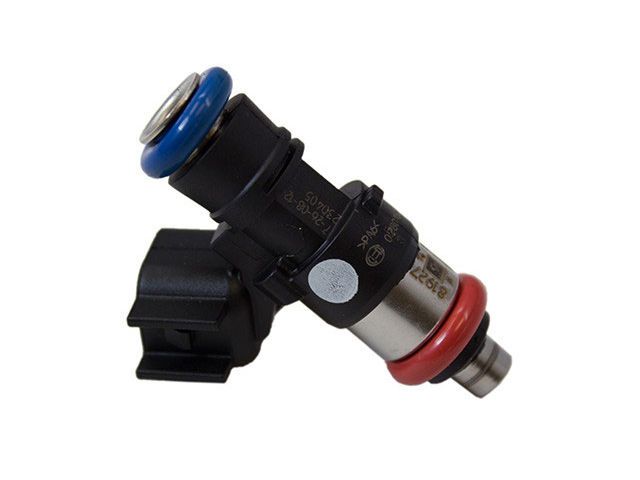
- OEM-Quality Aftermarket (Bosch): Bosch is a direct supplier to Ford for some fuel system components. Choosing Bosch often means you get the same quality as the original part without the dealer markup.
- Reputable Aftermarket (Standard Ignition, Walker Products): These brands specialize in producing replacement parts that meet or exceed original specifications. They offer a balance of quality and value, making them a popular choice for most repairs.
- Budget-Friendly (GBR Fuel Injection): These brands offer the lowest price point. While they can be a good option for a tight budget, quality and longevity can be less consistent than with more established brands.
Cost to Replace Ford Mustang Fuel Injectors

| Part Type | Cost Range (Per Injector) |
|---|---|
| New OEM (Motorcraft) | $70 - $250+ |
| New Aftermarket | $42 - $166 |
| Shop Labor (PFI) | $200 - $450 |
| Shop Labor (GDI/Direct Injection) | $350 - $600+ |
Cost estimates are for a single injector and associated labor. Labor costs vary by engine type, location, and shop. GDI injector replacement is more complex and therefore more expensive.
Frequently Asked Questions (FAQ)
Can I replace just one fuel injector?
Yes, you can replace just the one that has failed. However, on an older or high-mileage vehicle, the other injectors are likely of a similar age and condition. Mechanics often recommend replacing all of them at once to prevent future failures and ensure all cylinders get an equal amount of fuel for balanced performance.
What's the difference between Port (PFI) and Direct (GDI) injection?
Port injectors spray fuel into the air intake, just before the cylinder. This is a simpler, lower-pressure system. Direct injectors spray fuel directly into the cylinder under very high pressure. This is more efficient but also more complex. Your 2011-2023 Mustang could have PFI (3.7L V6, 2011-17 5.0L V8), GDI (2.3L EcoBoost), or both (2018+ 5.0L V8). It is critical to get the correct type for your engine.
Do I need a computer tune after replacing my injectors?
If you are replacing your stock injectors with the same type of stock-flow-rate aftermarket parts, you do not need a new tune. Your car's computer is already calibrated for them. However, if you are installing larger, high-flow injectors for performance modifications, a custom tune is absolutely required for the engine to run correctly.
Is replacing a fuel injector a DIY job?
For port-injected engines (V6, 2011-17 V8), it is a feasible DIY for someone with mechanical experience. The process involves safely relieving fuel pressure, removing the fuel rail, and swapping the injectors. For direct-injection engines (EcoBoost, 2018+ V8), the job is more complex due to high-pressure lines and component location, and is often best left to a professional.
Helpful Videos
Technical Specifications
OEM Part Numbers: BR3Z-9F593-A P2GE-9F593-AA EJ7Z-9F593-C
Varies significantly by engine. 2011-2017 5.0L V8 and 3.7L V6 use Port Fuel Injection (PFI). 2015-2023 2.3L EcoBoost uses Gasoline Direct Injection (GDI). 2018-2023 5.0L V8 uses a dual-fuel system (PFI + GDI). Part compatibility is not interchangeable between these systems.
We Have This Part in Stock


The information in this article is provided for general reference and educational purposes only. Vehicle specifications, procedures, and part compatibility can vary by production date, trim level, and region. Always consult your vehicle's factory service manual and verify part numbers before purchasing or performing repairs. Safety-critical components such as airbags, seat belts, and braking systems should be installed by a qualified professional.
- Ford Mustang:
- 🎬 Helpful Videos
- 🛍️ Shop This Part
- Understanding Fuel Injector Failure in Your Mustang
- Important: Check for Recalls
- Symptoms of a Bad Fuel Injector
- Choosing the Right Aftermarket Injector
- Brand Tiers for Aftermarket Injectors
- Cost to Replace Ford Mustang Fuel Injectors
- Frequently Asked Questions (FAQ)
- 🎟️ Get 5% Off