

Hyundai Elantra Manifold Absolute Pressure (MAP) Sensor Guide (2011-2023)
Experiencing rough idle, poor gas mileage, or a check engine light in your Elantra? Your MAP sensor could be the problem.
- A bad MAP sensor on an Elantra commonly causes a P0106 check engine code, rough idle, and poor fuel economy.
- Replacement is a simple, 15-minute DIY job for most owners, requiring only basic tools.
- Before replacing the sensor, check for simpler issues like a dirty air filter or vacuum leaks, which can cause similar symptoms.
- Premium aftermarket brands like Delphi, NGK, and Standard Ignition offer a reliable alternative to more expensive OEM parts.
Signs of a Failing MAP Sensor in a Hyundai Elantra

When the MAP sensor in your 2011-2023 Elantra starts to fail, it sends incorrect information to the engine's computer. This can cause a variety of noticeable problems. You are the first line of defense in noticing a change in your vehicle's performance.
- Check Engine Light: This is often the first sign. A common trouble code associated with MAP sensor issues on these Elantras is P0106, which indicates a problem with the sensor's performance or range.
- Rough Idle: Your car may shake or sound unsteady when stopped at a light or in park.
- Poor Fuel Economy: If the computer thinks the engine is under more load than it is, it will inject too much fuel, causing your gas mileage to drop.
- Hesitation or Lack of Power: During acceleration, your Elantra might feel sluggish or hesitate because the engine isn't getting the right air-fuel mixture.
- Black Smoke from Exhaust: This is a sign that the engine is running "rich," meaning there's too much fuel and not enough air, often due to a bad MAP sensor reading.
- Failed Emissions Test: An incorrect air-fuel ratio will lead to higher emissions, causing a failed smog check.
Choosing an Aftermarket MAP Sensor for Your Elantra

For a part like the MAP sensor, you don't always need to buy the expensive OEM (Original Equipment Manufacturer) part from the dealer. Many aftermarket brands offer reliable quality at a much lower price. However, quality can vary, so it's important to choose wisely.
Here’s a breakdown of common aftermarket brand tiers available for your Elantra:
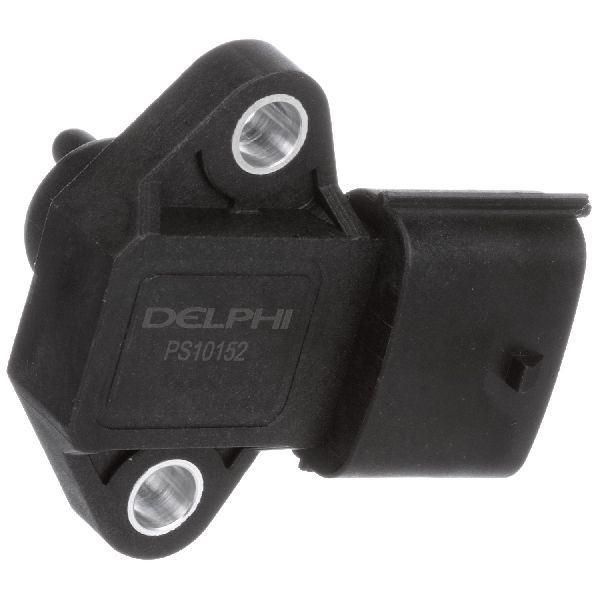
- Premium Aftermarket (e.g., Delphi, NGK/NTK, Standard Ignition): These brands are well-known for producing high-quality electronic components that often meet or exceed OEM specifications. They are a solid choice for reliability and peace of mind, balancing cost and quality effectively.
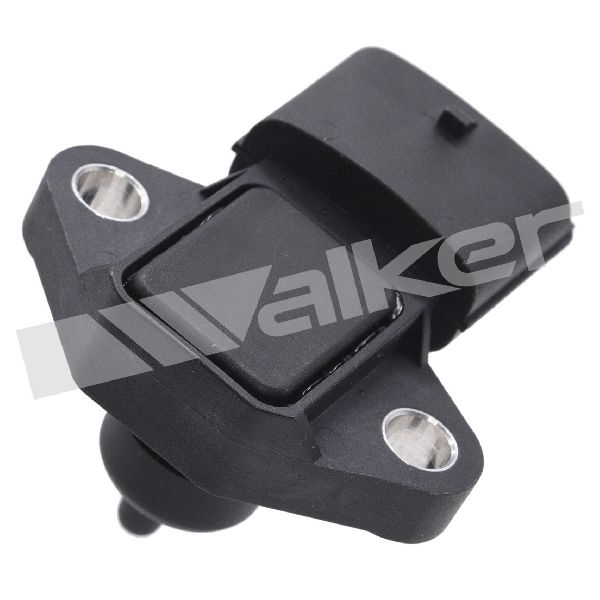
- Standard Aftermarket (e.g., Walker Products, Holstein, Spectra): These brands provide good value and are generally reliable for common repairs. They are a popular choice for DIY mechanics looking for a dependable part without the premium price tag.
- Economy Aftermarket (e.g., True Tech, Skyward, Global Parts): While these are the most budget-friendly options, their quality and longevity can be inconsistent. Some users report premature failure with cheaper electronic sensors. They might be suitable for a temporary fix or if budget is the absolute primary concern.
Cost of Replacing a Hyundai Elantra MAP Sensor
| Part Type | Estimated Cost |
|---|---|
| New Aftermarket | $20.89 - $132.43 |
| New OEM (Hyundai) | $75 - $150 |
| Shop Labor | $50 - $100 |
| Total DIY Aftermarket Cost | $20.89 - $132.43 |
| Total Professional Installation Cost | $95 - $250+ |
Known Issues, Recalls, and Technical Service Bulletins (TSBs)

My search found no specific recalls or widespread TSBs directly for MAP sensor failure on the 2011-2023 Hyundai Elantra. However, a TSB for the 2020 Elantra with the 2.0L engine was issued to update the engine control module software to revise the logic for DTC P0106, a common MAP sensor code. There have also been recalls for other sensors and modules on various Elantra model years, such as the EGR valve sensor on some 2024 models, but not the MAP sensor itself.
Frequently Asked Questions (FAQ)

Where is the MAP sensor located on a 2011-2023 Hyundai Elantra?
The MAP sensor is typically mounted directly on the intake manifold. On many Elantra models from this period, it is located on the front of the engine, between the air intake and the manifold itself, though it can be somewhat hidden. It is usually held in place by a single 10mm or 8mm bolt.
Can I replace the Elantra's MAP sensor myself?
Yes, this is a very DIY-friendly job for most people. The replacement involves disconnecting the electrical connector, removing one bolt, and carefully pulling the old sensor out. The entire process usually takes less than 30 minutes with basic hand tools. Just be careful not to drop the bolt or any debris into the intake manifold opening.
Should I clean my MAP sensor or just replace it?
While you can try cleaning the sensor with a dedicated Mass Airflow Sensor cleaner, it often provides only a temporary fix, if any. The internal electronics can fail in ways that cleaning cannot resolve. Given the relatively low cost of a new aftermarket sensor and the ease of replacement, replacing a faulty sensor is usually the more reliable solution.
What is the most common check engine code for a bad MAP sensor on an Elantra?
The most frequently cited trouble code is P0106, which stands for "Manifold Absolute Pressure/Barometric Pressure Sensor Range/Performance." This code means the signal from the sensor is not what the computer expects to see based on other factors like engine speed and throttle position.
Helpful Videos
Technical Specifications
OEM Part Numbers: 39300-2B000 39300-2B100 39300-2E600 39300-2S000
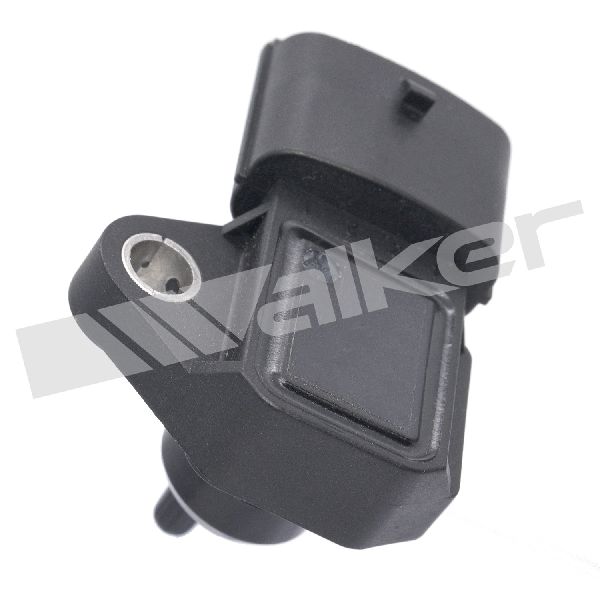
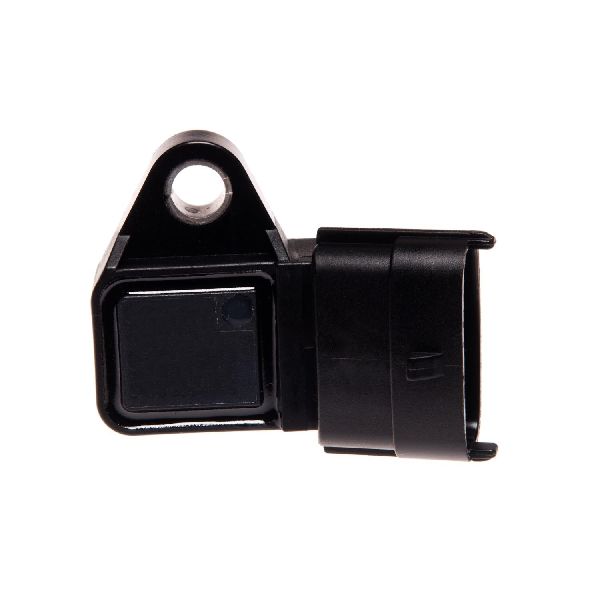
The MAP sensor for the 2011-2023 Hyundai Elantra is a 3-wire plug-in sensor that mounts to the intake manifold, typically secured by a single bolt. It functions by sending a variable voltage signal to the ECU corresponding to the pressure changes within the manifold.
We Have This Part in Stock


The information in this article is provided for general reference and educational purposes only. Vehicle specifications, procedures, and part compatibility can vary by production date, trim level, and region. Always consult your vehicle's factory service manual and verify part numbers before purchasing or performing repairs. Safety-critical components such as airbags, seat belts, and braking systems should be installed by a qualified professional.
- Hyundai Elantra: