

Jeep Grand Cherokee 2011-2023 Radiator Coolant Hose Replacement Guide
Don't let a bad radiator hose leave your Grand Cherokee stranded—here's what you need to know before you buy a replacement.
- A failing radiator hose is a critical failure; symptoms include leaks, visible damage like swelling or cracks, and engine overheating.
- For replacement, premium silicone hoses offer the best durability, while brands like Gates and Dayco provide reliable OEM-quality alternatives.
- Always replace hose clamps with the hose to ensure a proper seal and prevent future leaks.
- Replacement is a feasible DIY task for those with basic tools, taking 1-2 hours, but a shop will charge between $250 and $550 for the job.
Is Your Grand Cherokee's Radiator Hose Failing?

A failing radiator hose is a serious issue that can sideline your Jeep. The rubber and plastic components break down over time from constant heat and pressure. You should inspect your hoses at every oil change, especially on higher-mileage vehicles. Look for visible signs of wear and catch problems before they lead to a breakdown.
Key Symptoms of a Bad Hose:
- Coolant Leaks: Puddles of sweet-smelling green, orange, or pink fluid under the front of your Jeep are a major warning sign. Leaks often start small at the connection points before a hose fails completely.
- Visible Damage: Check for cracks, splits, or bulging spots on the hoses. A swollen or bulging hose is weak and could burst at any moment. Also, feel the hoses (when the engine is cold). If they feel excessively soft, spongy, or mushy, the internal structure is breaking down.
- Engine Overheating: If your dashboard temperature gauge climbs into the red, a failing hose could be the cause. A collapsed or leaking hose prevents coolant from circulating, leading to rapid overheating.
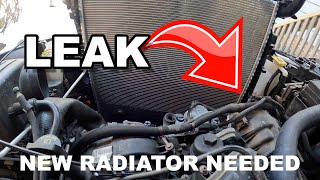
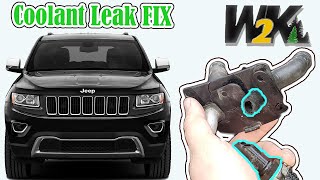
- Low Coolant Light: A frequent need to top off your coolant reservoir indicates a leak somewhere in the system, and the radiator hoses are common culprits. 🎬 Watch this guide on finding and fixing common Jeep coolant leaks.
Known Issues: Check for Proper Seating
While no specific recalls exist for the 2011-2023 Grand Cherokee radiator hoses, other Jeep models have had factory issues. For example, Technical Service Bulletin 09-015-23 REV. A was issued for the 2023 Jeep Gladiator because lower radiator hoses were not properly seated from the factory, causing leaks. Always ensure your new hose is fully seated on the radiator and engine outlets and that the clamps are secure.
Choosing the Right Aftermarket Hose

When replacing a radiator hose, you have several options that range from basic replacements to performance upgrades. For the Grand Cherokee, OEM Mopar hoses are a reliable but often expensive choice. Aftermarket brands offer a balance of quality and value.
Brand Quality Tiers
- Premium (Better than OEM): Brands like HPS and Mishimoto offer silicone radiator hoses. These are a significant upgrade over the standard EPDM rubber hoses. They offer superior heat resistance (up to 350°F or more) and durability, making them a great choice for heavy-duty use, towing, or high-performance SRT models. They cost more but provide the best performance and longevity.
- Standard (OEM-Quality): Gates, Dayco, and Continental are well-known aftermarket brands that produce reliable, direct-fit replacement hoses. Forum discussions show that most owners have good experiences with both Gates and Dayco, with some preferring one over the other based on past experiences with fitment. Gates is often praised for good quality, while some find Dayco hoses to be thicker. Both are considered solid choices that meet or exceed OEM specifications.
- Budget (Use with Caution): Crown Automotive is a popular brand for Jeep replacement parts, but some owners have reported issues. One review for a Jeep application noted that Crown hoses felt soft and were of "extremely poor quality." While they are often the most affordable, be sure to inspect the part carefully for quality before installation.
Pro Tip: Replace Hoses and Clamps Together
Always replace your hose clamps when you install a new hose. The original spring-style clamps can lose tension over time. New worm-gear or spring clamps will ensure a tight, leak-free seal. It's also a good time to inspect your serpentine belt and water pump, as a coolant leak can damage these parts.
Radiator Hose Replacement Cost for 2011-2023 Jeep Grand Cherokee

The cost to replace a radiator hose depends on whether you do it yourself or take it to a shop. It's a manageable DIY job for those with basic tools.
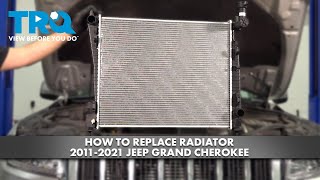
🎬 See this step-by-step walkthrough for replacing your radiator and hoses.| Part/Service | Estimated Cost |
|---|---|
| New Aftermarket Hose | $26 - $150 |
| New OEM (Mopar) Hose | $60 - $110 |
| Shop Labor | $150 - $400 |
| Total (Shop) | $250 - $550 |
Frequently Asked Questions

How often should I replace my Grand Cherokee's radiator hoses?
There is no fixed schedule, but it's wise to inspect them after 5 years or 60,000 miles and consider replacing them proactively around 10 years or 100,000 miles, even if they look okay. The rubber degrades from the inside out.
What's the difference between the upper and lower radiator hose?
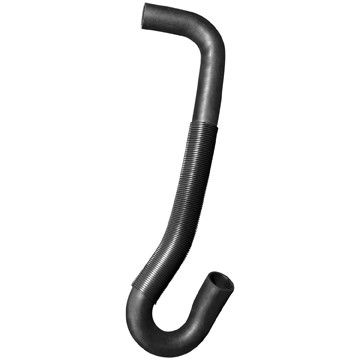
The upper hose carries hot coolant from the engine to the radiator and typically fails more often due to higher heat exposure. The lower hose carries cooled coolant back to the engine and is often reinforced with a spring to prevent it from collapsing under suction from the water pump.
Is an aftermarket hose as good as an OEM Mopar hose?
It depends on the brand. A quality aftermarket hose from a reputable brand like Gates, Dayco, or a premium silicone brand can be just as good, if not better, than the OEM part. They are designed to meet or exceed OEM specifications and often provide better value.
Do I need to drain all the coolant to replace a hose?
No, you don't need to drain the entire system. You only need to drain enough coolant so the level is below the hose you are replacing. However, if your coolant is old, this is a perfect opportunity to perform a full coolant flush.
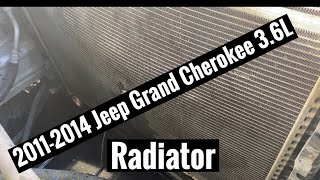
🎬 Watch a professional mechanic replace the radiator on a 3.6L Jeep.Helpful Videos
Technical Specifications
OEM Part Numbers: 55038026AI 55038026AF 68056029AD 68056029AF 52014890AC 52014891AA
Hoses are vehicle and engine-specific. The main types are Upper (Inlet) and Lower (Outlet). Material is typically EPDM rubber for standard replacements or Silicone for premium upgrades. Clamps are either spring-type or worm-gear.
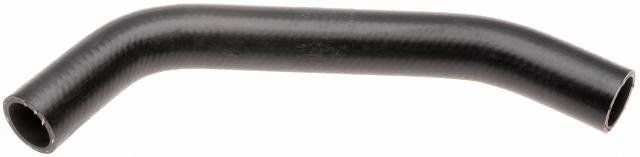
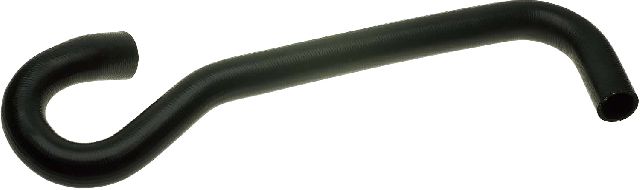
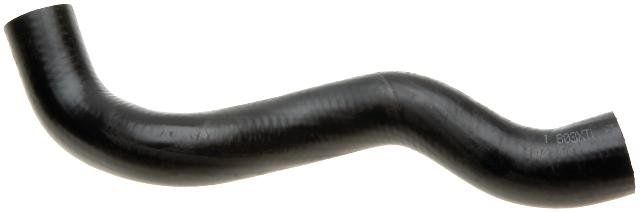
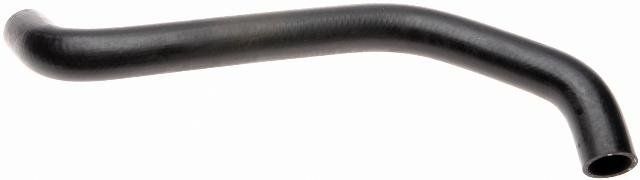
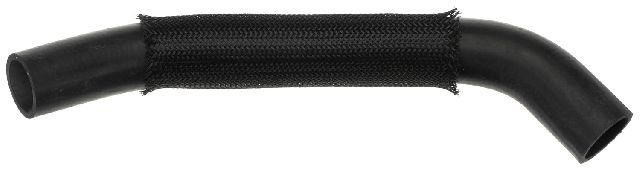
We Have This Part in Stock

The information in this article is provided for general reference and educational purposes only. Vehicle specifications, procedures, and part compatibility can vary by production date, trim level, and region. Always consult your vehicle's factory service manual and verify part numbers before purchasing or performing repairs. Safety-critical components such as airbags, seat belts, and braking systems should be installed by a qualified professional.
- Jeep Grand Cherokee:
- 🎬 Helpful Videos
- 🛍️ Shop This Part
- Is Your Grand Cherokee's Radiator Hose Failing?
- Key Symptoms of a Bad Hose:
- Known Issues: Check for Proper Seating
- Choosing the Right Aftermarket Hose
- Brand Quality Tiers
- Pro Tip: Replace Hoses and Clamps Together
- Radiator Hose Replacement Cost for 2011-2023 Jeep Grand Cherokee
- Frequently Asked Questions
- 🎟️ Get 5% Off