

A Guide to Replacing Oxygen Sensors on the 2011-2023 Kia Sorento
Understanding how to diagnose, choose, and replace a failing oxygen sensor in your Sorento to restore fuel economy and performance.
- For best results, choose an OEM-quality aftermarket brand like Denso, NGK/NTK, or Mando.
- A P0420 code can mean a bad O2 sensor, but it often points to a failing catalytic converter, so proper diagnosis is key.
- Sensors are specific. You must buy the correct part for your Sorento's year, engine, and sensor location (upstream or downstream).
- Replacing an O2 sensor is a manageable DIY job with the right tool (an O2 sensor socket).
Is Your Kia Sorento Oxygen Sensor Failing?

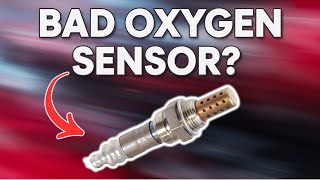
A bad oxygen sensor can cause several noticeable problems. The most common sign is a lit Check Engine Light on your dashboard. You might also notice your fuel economy getting worse, as the engine's computer may be running a rich fuel mixture to compensate for the bad sensor data. Other symptoms include a rough idle, engine hesitation or misfires, and in some cases, a rotten egg or sulfur smell from the exhaust. Ignoring these signs can lead to more severe issues, including failure of the expensive catalytic converter.
🎬 Watch: 9 warning signs of a bad oxygen sensorThe P0420 Code Warning
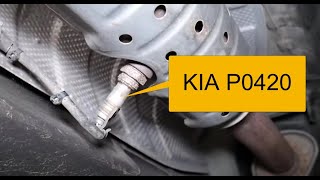
If you scan your Sorento's computer, you might see a P0420 code, which means "Catalyst System Efficiency Below Threshold." While this can be caused by a bad downstream oxygen sensor, it often indicates a failing catalytic converter. This is especially common if you have recently replaced your catalytic converter with an aftermarket unit, as some may not perform to the same standard as the original part. Always diagnose the issue carefully; throwing a new sensor at a P0420 code might not fix the root problem.
🎬 See how to diagnose and fix a P0420 codeChoosing the Right Aftermarket Oxygen Sensor

When shopping for a new aftermarket oxygen sensor for your 2011-2023 Sorento, it's important to know that not all brands are created equal. Quality varies, and for a critical sensor like this, choosing a reputable brand can save you from future headaches. It is crucial to get a "Direct Fit" sensor with the correct electrical connector to avoid cutting and splicing wires.
Tier 1: OEM-Quality Brands
These brands are often the original equipment manufacturers for Kia and other automakers. They offer the highest quality and reliability, meeting or exceeding factory specifications.
- Denso: A major global OE supplier, Denso is a top choice for Asian vehicles like your Sorento. Their sensors are known for longevity and precise performance.
- NGK / NTK: NGK, operating under the NTK brand for sensors, is another primary OE supplier. They are highly regarded for their quality and are often what was installed in your vehicle at the factory.
- Mando: Mando is a known OEM supplier for Hyundai and Kia parts, making their sensors a reliable, factory-equivalent choice.
Tier 2: Reputable Aftermarket Brands
These brands have a strong reputation for quality in the aftermarket and are a solid choice for most repairs.
- Bosch: Bosch invented the automotive oxygen sensor and is a massive OE supplier worldwide. While their quality is excellent, some professional mechanics and forum users prefer to stick with Denso or NTK for Japanese and Korean vehicles.
- Delphi: A well-respected brand with a long history of producing quality electronic components for vehicles.
Tier 3: Value Brands
These brands offer a more budget-friendly option. While they can perform adequately, their lifespan and the precision of their readings may not match the top-tier brands.
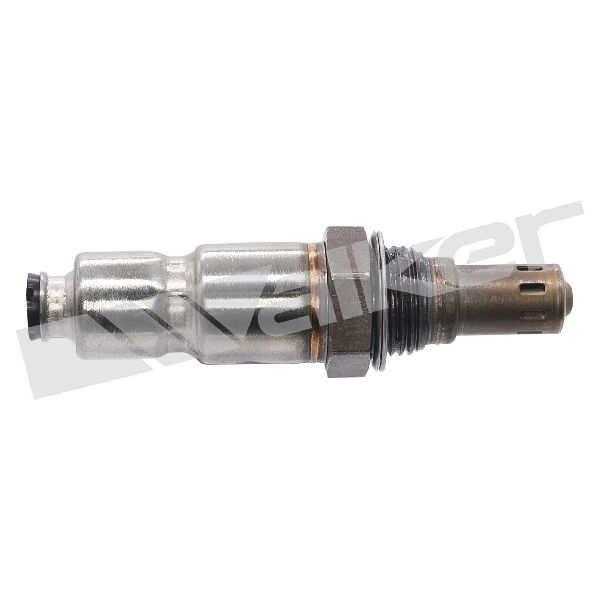
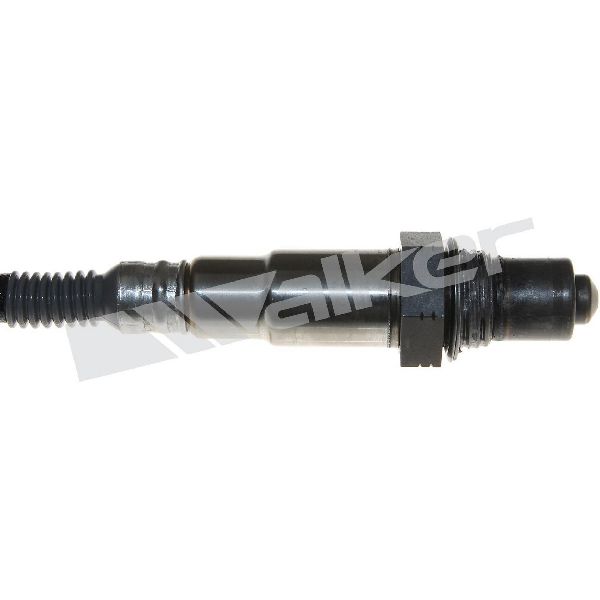
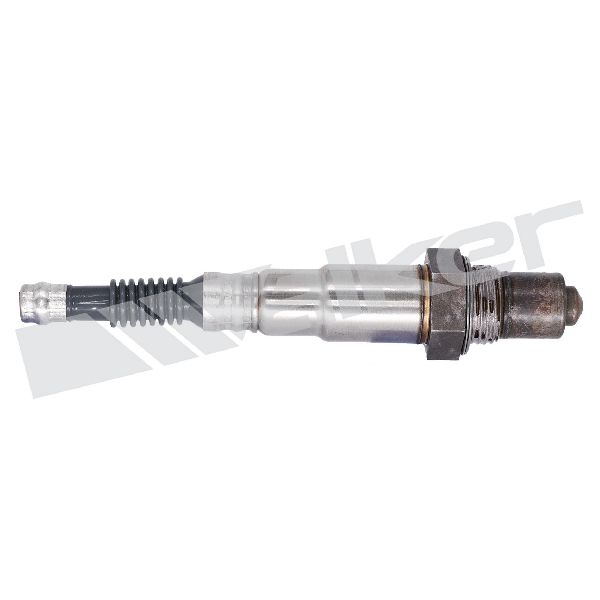
- Walker Products
- DriveWire
- Encore Automotive
Upstream vs. Downstream Sensors
Your Sorento has multiple oxygen sensors. Upstream sensors (also called Bank 1 Sensor 1 or Air/Fuel Ratio Sensors) are located on the exhaust manifold before the catalytic converter. Downstream sensors (Bank 1 Sensor 2) are located after the catalytic converter. These sensors are not interchangeable. The upstream sensor is more critical for engine performance and is typically more expensive. Always confirm the exact sensor location you need to replace before ordering.
Estimated Replacement Costs

The cost to replace an oxygen sensor can vary depending on the brand you choose and whether you do the work yourself. The location of the sensor can also affect shop labor costs, as some are harder to access than others.
| Item | Estimated Cost |
|---|---|
| New Aftermarket Part | $47.72 - $217.50 |
| New OEM Part | $337 - $382 |
| Shop Labor | $66 - $97 |
| Total Professional Replacement | $403 - $479 |
Frequently Asked Questions

How many oxygen sensors does my 2011-2023 Sorento have?
Most 4-cylinder Sorento models will have two oxygen sensors: one upstream and one downstream. V6 models typically have four sensors: two upstream (one for each cylinder bank) and two downstream. Always verify the configuration for your specific engine.
Can I replace an oxygen sensor myself?
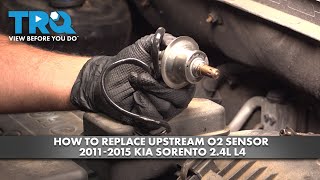
Yes, this is a DIY-friendly job for many home mechanics. The main challenge is often accessing the sensor and having enough leverage to remove it. Using a special tool called an oxygen sensor socket, which has a slot for the wire, makes the job much easier. Always apply anti-seize compound to the threads of the new sensor if it's not pre-applied.
🎬 Watch this step-by-step upstream sensor replacement walkthroughDo I need to replace all the sensors at once?
No, you only need to replace the sensor that has failed. However, oxygen sensors have a similar lifespan, typically 60,000 to 100,000 miles. If one has failed due to age, another may not be far behind. Some owners choose to replace them in pairs (e.g., both upstream sensors) for peace of mind.
Are there any recalls for Kia Sorento oxygen sensors?
No, there are no specific recalls or technical service bulletins (TSBs) from Kia or the NHTSA for widespread oxygen sensor failure on the 2011-2023 Sorento. There are, however, numerous recalls for other issues, including engine fire risks and engine defects, so it's always wise to check if your vehicle is affected by those.
Helpful Videos

Technical Specifications
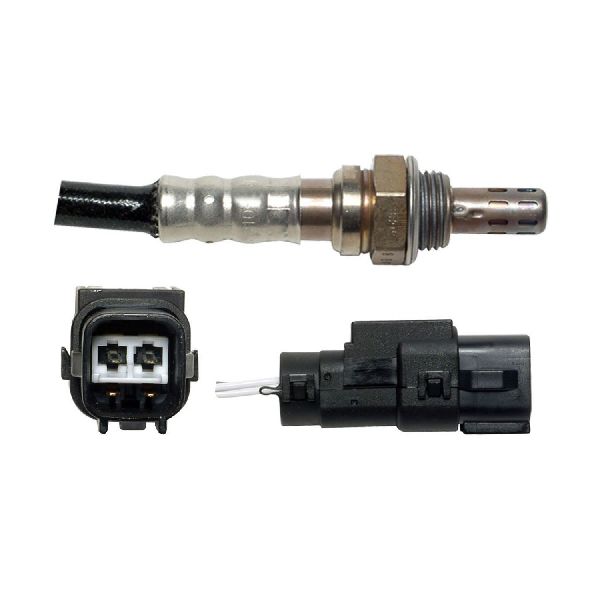
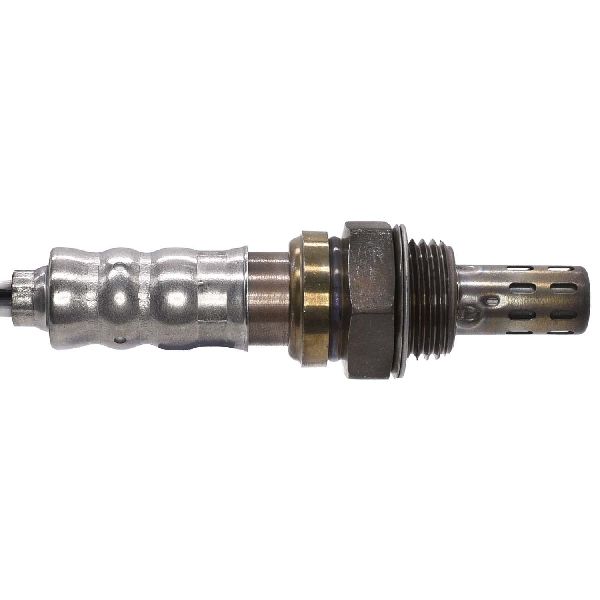
Oxygen sensors for the 2011-2023 Kia Sorento are vehicle-specific. They vary by engine (2.4L I4, 3.3L V6, 2.0L Turbo, etc.), model year, and location (upstream/downstream). Most are heated, 4-wire or 5-wire (wideband) sensors with direct-fit connectors. Always confirm the part number by matching it to your vehicle's VIN or specific configuration.
We Have This Part in Stock
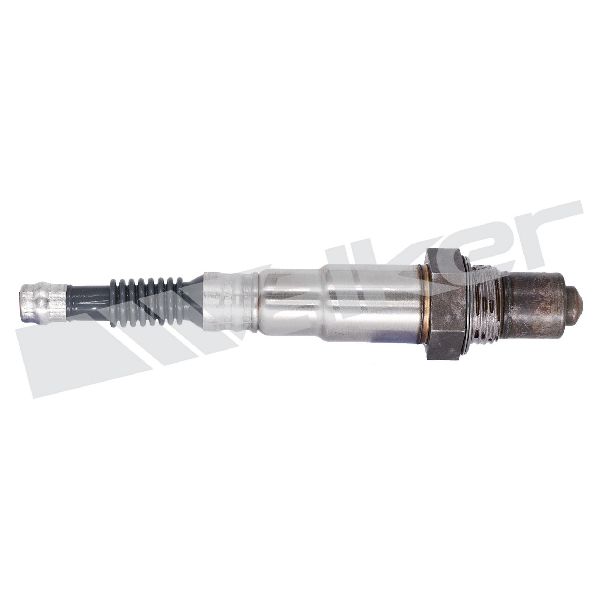

The information in this article is provided for general reference and educational purposes only. Vehicle specifications, procedures, and part compatibility can vary by production date, trim level, and region. Always consult your vehicle's factory service manual and verify part numbers before purchasing or performing repairs. Safety-critical components such as airbags, seat belts, and braking systems should be installed by a qualified professional.
- Kia Sorento:
- 🎬 Helpful Videos
- 🛍️ Shop This Part
- Is Your Kia Sorento Oxygen Sensor Failing?
- The P0420 Code Warning
- Choosing the Right Aftermarket Oxygen Sensor
- Tier 1: OEM-Quality Brands
- Tier 2: Reputable Aftermarket Brands
- Tier 3: Value Brands
- Upstream vs. Downstream Sensors
- Estimated Replacement Costs
- Frequently Asked Questions
- 🎟️ Get 5% Off