

Dodge Durango 2011-2024 A/C Receiver Drier and Desiccant Element Guide
Is your Durango's A/C blowing warm? Your A/C receiver drier might be the problem.
- The receiver drier must be replaced any time the A/C system is opened for repairs, such as a compressor replacement.
- Symptoms of failure include poor cooling, musty smells from the vents, and rattling noises.
- This is not a DIY job for beginners as it requires special equipment to handle A/C refrigerant safely and legally.
- Aftermarket brands like Four Seasons and Global Parts offer significant savings over OEM Mopar parts, with varying levels of quality.
Is Your Durango's A/C Ready for the Summer?
When your Durango's air conditioning starts to weaken, it's easy to think the worst. But sometimes, the problem is a small, often-overlooked part: the A/C receiver drier. This component acts as a filter and moisture remover for the A/C system. It's a wear item that is critical to the health of your entire A/C, and replacing it is standard practice whenever the system is opened for service.
Symptoms of a Failing A/C Receiver Drier
A bad receiver drier can cause several noticeable problems. Here’s what to look out for:
- Weak or No Cold Air: This is the most common symptom. A clogged or saturated drier can restrict refrigerant flow, preventing the system from cooling properly.
- Moldy or Musty Smell: If the desiccant inside the drier is saturated, it can't absorb any more moisture. This can lead to mold or mildew growth in the A/C system, causing a bad smell from your vents.
- Rattling Noises: You might hear rattling if the drier has been damaged internally or if its mounting brackets are loose.
- Visible Refrigerant Leaks: While less common, the drier itself or its fittings can leak refrigerant. You might see a greasy film on the part or drips underneath your vehicle. 🎬 Watch: How to find and fix common A/C refrigerant leaks
- Hissing Sounds: Some Durango owners have reported hissing sounds from the A/C system, which can indicate a leak.
Important Service Note
The A/C receiver drier should always be replaced whenever you replace the A/C compressor or if the system has been opened to the air for any significant time. The desiccant material inside absorbs moisture from the atmosphere and becomes saturated, making the old part useless. Failing to replace it will void the warranty on a new compressor and lead to premature failure of the A/C system.
Choosing the Right Aftermarket Drier
For the 2011-2024 Dodge Durango, you have a few options when it comes to aftermarket brands. The original Mopar part is always an option, but quality aftermarket parts can offer significant savings.
- Tier 1: OEM Mopar
The original part your Durango came with. It guarantees perfect fit and function but comes at the highest cost. - Tier 2: Premium Aftermarket (Global Parts Distributors)
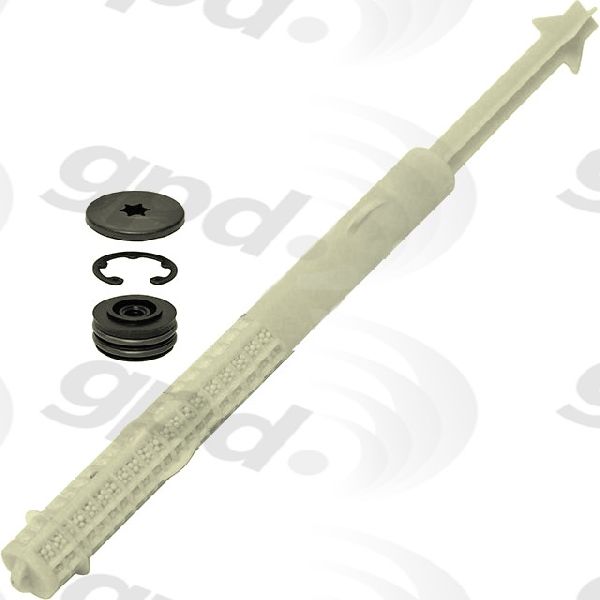
Brands like Global Parts Distributors (GPD) position themselves as a high-quality alternative to OEM. They often emphasize their testing processes, such as helium leak testing, to ensure reliability. This is a good choice for owners who want a quality part without the OEM price tag. - Tier 3: Standard Aftermarket (Four Seasons)
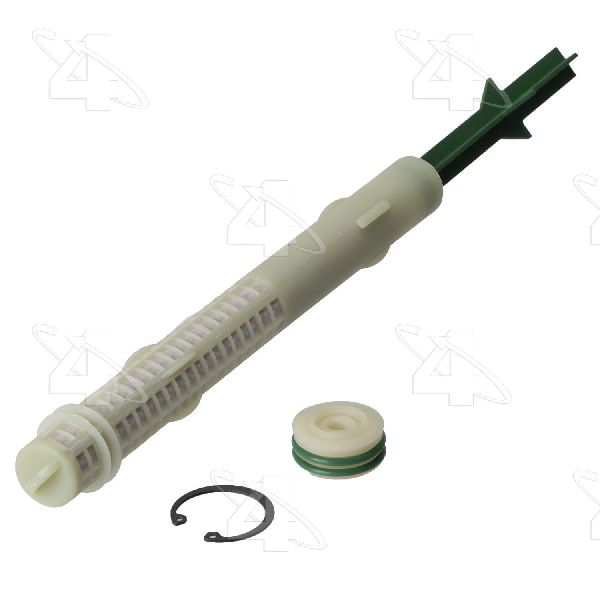
Four Seasons is a well-known budget-friendly brand. Reviews can be mixed, with some users reporting success and others experiencing early failures. This brand can be a good value, but there may be a higher risk of quality control issues compared to premium brands.
Pro Tip: Check the Condenser
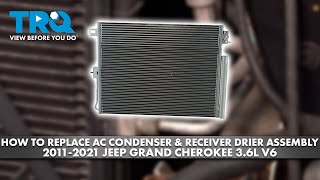
On many modern vehicles, including some Durango models, the receiver drier/desiccant element is integrated into the A/C condenser. In these cases, you are not replacing a separate canister, but rather a cartridge within the condenser or the entire condenser/drier assembly. 🎬 See this walkthrough for replacing the condenser and drier assembly Always verify the exact configuration for your specific year and model before ordering parts.
Cost to Replace Dodge Durango A/C Receiver Drier
| Item | Estimated Cost |
|---|---|
| New OEM (Mopar) Part | $35 - $255 |
| New Aftermarket Part | $13 - $40 |
| Shop Labor & A/C Service | $250 - $365 |
| Total Professional Replacement | $518 - $635 (using high-end part estimate) |
Frequently Asked Questions
Do I have to replace the receiver drier when I replace my compressor?
Yes, absolutely. The desiccant inside the drier absorbs moisture, and once the A/C system is opened, it will pull moisture from the air and become saturated. Not replacing the drier will introduce moisture into your new A/C components, causing them to fail quickly. Most compressor warranties require the drier to be replaced at the same time.
Can I replace the A/C receiver drier myself?
This is not recommended for beginners. While the part itself may be easy to access, replacing it requires specialized equipment to safely recover the old refrigerant and then vacuum and recharge the system. Improper handling of refrigerant is illegal and harmful to the environment. This job is best left to a certified A/C technician.
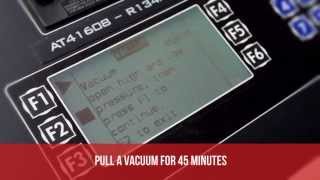
🎬 Watch: A professional guide on how receiver driers are replacedWere there any recalls for the Durango A/C system?
Searches for the 2011-2024 Dodge Durango did not find any specific recalls or Technical Service Bulletins (TSBs) for the A/C receiver drier itself. A recall was issued for a small number of 2022 models where a software issue could prevent the windshield defroster from working, but this is unrelated to the receiver drier.
What's the difference between a receiver drier and an accumulator?
They perform similar functions but are used in different types of A/C systems. Your Durango uses an expansion valve system, which requires a receiver drier located on the high-pressure side of the system. Vehicles with an orifice tube system use an accumulator on the low-pressure side.
Helpful Videos

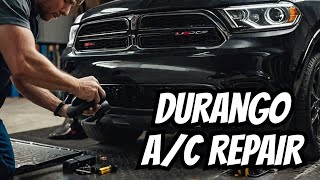
Technical Specifications
OEM Part Numbers: 68084180AA 68545935AA 68399827AA
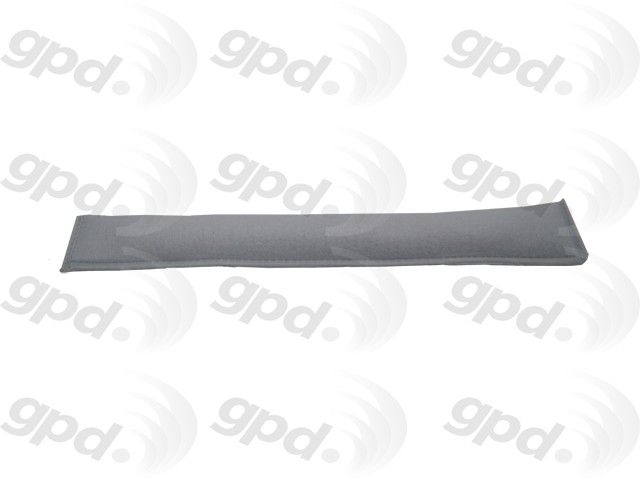
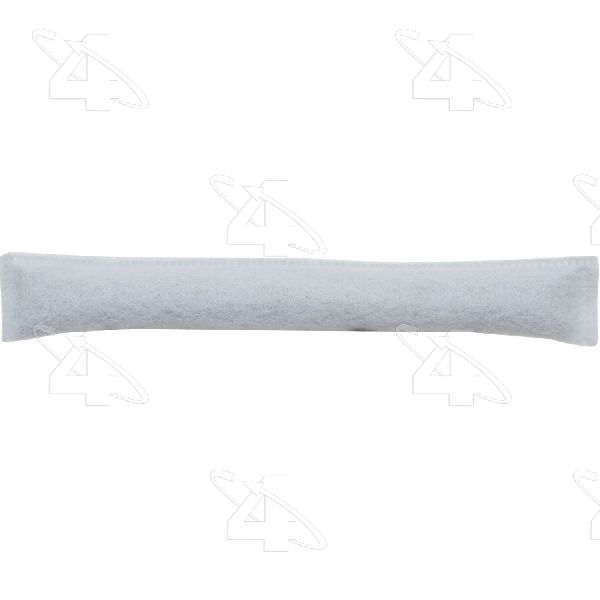
The A/C Receiver Drier contains a desiccant material designed to absorb moisture from refrigerant. It is located on the high-pressure side of the A/C system, typically between the condenser and the expansion valve. Some models integrate the desiccant element directly into the condenser assembly.
We Have This Part in Stock


The information in this article is provided for general reference and educational purposes only. Vehicle specifications, procedures, and part compatibility can vary by production date, trim level, and region. Always consult your vehicle's factory service manual and verify part numbers before purchasing or performing repairs. Safety-critical components such as airbags, seat belts, and braking systems should be installed by a qualified professional.
- Dodge Durango: