

Jeep Grand Cherokee 2011-2024 Engine Camshaft Position Sensor: A-to-Z Guide
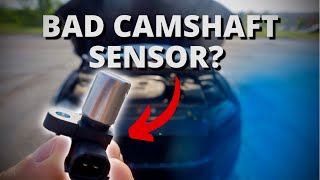
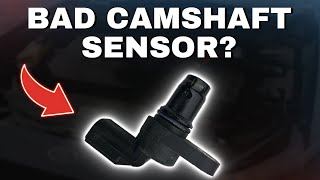
Diagnosing and replacing a faulty camshaft position sensor in your Grand Cherokee is critical for engine health and performance.
- A failing camshaft sensor can cause serious issues, including engine stalling, no-starts, and poor performance.
- For this part, using a high-quality aftermarket brand like Delphi or NTK, or the OEM Mopar part, is strongly recommended to avoid premature failure.
- Replacement difficulty varies greatly by engine; the 5.7L HEMI is simple, while some sensors on the 3.6L V6 require significant disassembly.
- Check for an outstanding recall on 2014-2020 3.0L Diesel models that can cause similar stalling symptoms.
Is Your Grand Cherokee Showing These Symptoms?

A failing camshaft position sensor can make itself known in several ways. You might not experience all of these, but even one is a good reason to investigate. The most common sign is the Check Engine Light illuminating on your dashboard.
- Hard Starting or No Start: The engine may crank for a long time before starting, or it may not start at all. This happens because the computer doesn't have the right information to initiate combustion.
- Engine Stalling: The engine may suddenly shut off while driving or when idling at a stoplight. This is a serious safety concern.
- Rough Idle and Misfires: Your Jeep may shake or vibrate noticeably when stopped, and the engine may sound uneven.
- Poor Performance: You might feel a loss of power, sluggish acceleration, or hesitation when you press the gas pedal.
- Reduced Fuel Economy: When engine timing is off, fuel isn't burned efficiently, leading to more frequent trips to the gas station.
Known Issues for 2011-2024 Grand Cherokee

Recall and TSB Information
Recall for 3.0L Diesel Engines: There is a recall (NHTSA ID: 23V411000, FCA ID: 66A) for 2014-2020 Grand Cherokees with the 3.0L diesel engine. This recall concerns the crankshaft position sensor's tone wheel, which can fail and cause the engine to stall because it loses sync with the camshaft. The fix is a software update from a Jeep dealer.
TSB for 2014 Models: Technical Service Bulletin 18-054-14 was issued for some 2014 models experiencing long crank times. It involves checking the serial number on the Bank 1 camshaft position sensor and replacing it if the number begins with the letter "D".
Choosing the Right Aftermarket Sensor: Brand Quality Matters

When it comes to engine sensors on your Grand Cherokee, not all aftermarket brands are created equal. While a low price is tempting, forum discussions and mechanic reports show that cheap sensors can fail quickly, forcing you to do the job all over again. For this specific part, investing in a quality sensor is highly recommended.
- Tier 1 (OEM): Mopar is the original equipment manufacturer. This is the part your Jeep was built with. It offers the best guarantee of fit, function, and longevity, but it's also the most expensive option.
- Tier 2 (High-Quality Aftermarket): Brands like Delphi, NGK/NTK, and Standard Ignition (SMP) have a strong reputation for producing reliable sensors that meet or exceed OEM standards. They are an excellent choice for a balance of quality and cost.
- Tier 3 (Budget Aftermarket): Brands like Dorman, Spectra, and other lower-priced options can be a gamble. While some users have success, many report premature failures. If your budget is tight, be aware of the risk that you may need to replace the part again sooner than expected.
How Much Will This Cost?
The cost to replace a camshaft position sensor depends on your engine and whether you do it yourself or hire a shop. The 3.6L V6 has multiple sensors, and some are much harder to reach than others, which increases labor time. The 5.7L HEMI sensor is generally easier to access.
| Item | Estimated Cost |
|---|---|
| New OEM (Mopar) Part | $90 - $140 |
| New Aftermarket Part | $20 - $110 |
| Shop Labor | $100 - $300+ (Varies by engine) |
| Total Professional Replacement | $234 - $450+ |
Frequently Asked Questions
How many camshaft position sensors does my Grand Cherokee have?
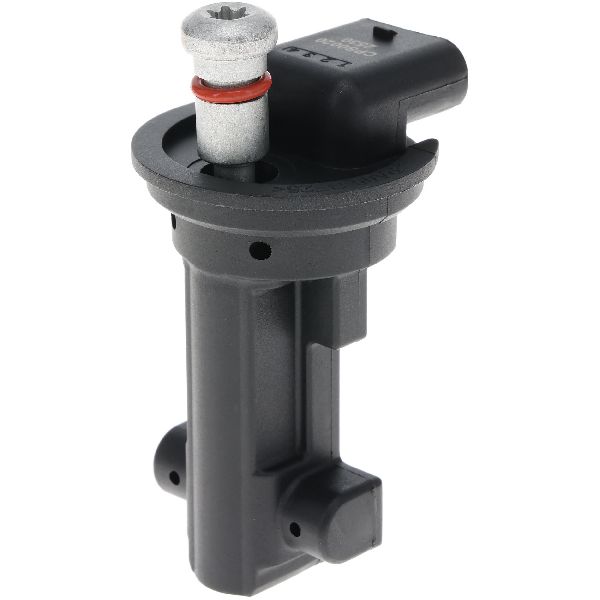
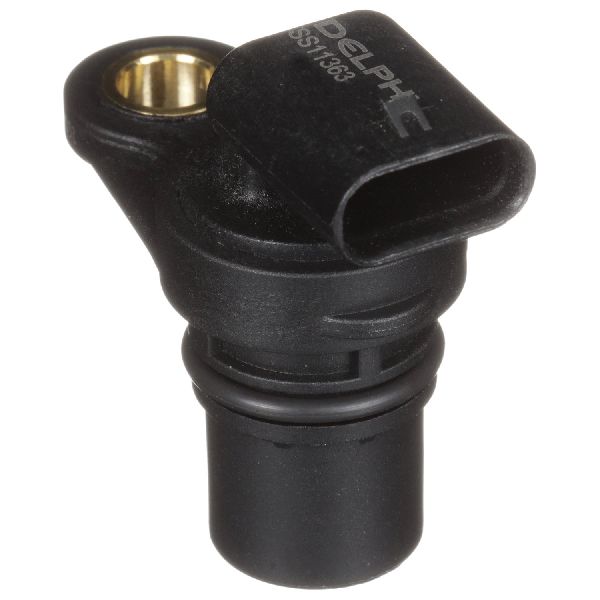
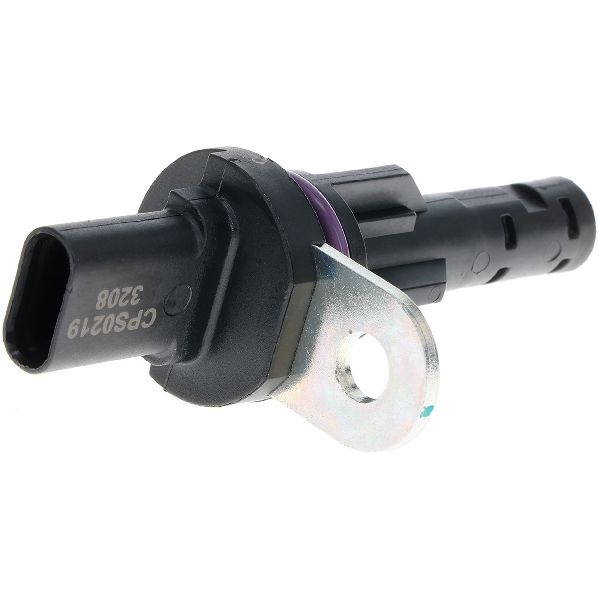
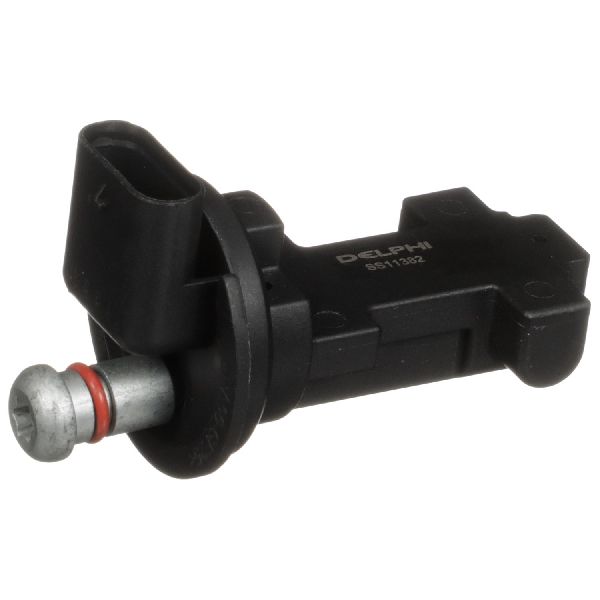
It depends on your engine. The 3.6L Pentastar V6 can have up to four (two intake, two exhaust). The 5.7L HEMI V8 typically has one. Always verify the exact number and location for your specific year and engine before ordering parts.
Where is the camshaft position sensor located?
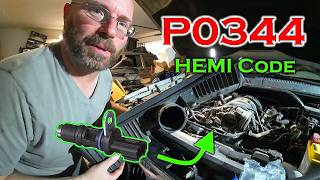
On the 3.6L V6, two sensors are located on the top rear of the valve covers. Others may be underneath the upper intake manifold, making them much harder to replace. On the 5.7L HEMI, the sensor is typically on the front of the engine, near the top, making it relatively easy to access after removing the air intake tube.
What are the common OBD-II codes for a bad sensor?
Common codes include P0340 (Bank 1 Sensor 'A' Circuit Malfunction), P0344 (Bank 1 Circuit Intermittent), P0345 (Bank 2 Sensor 'A' Circuit), and P0390 (Bank 2 Sensor 'B' Circuit). Bank 1 refers to the side with cylinder #1 (passenger side on the V8), and Bank 2 is the driver's side.
Can I replace this sensor myself?
For the 5.7L HEMI, it is a very DIY-friendly job that requires basic tools and can be done in under an hour. For the 3.6L V6, replacing the easily accessible sensors on top of the valve covers is straightforward. However, if the faulty sensor is under the intake manifold, the job becomes much more complex and may be best left to a professional.
Do I need to perform a relearn procedure after replacement?
Some repair guides suggest that a relearn procedure using a manufacturer-specific scan tool may be necessary after installation to ensure the computer recognizes the new sensor correctly. While the vehicle may run without it, for optimal performance it is recommended.
Helpful Videos
Technical Specifications
OEM Part Numbers: 5149179AB 5149179AC 5149179AD
The number and location of sensors vary by engine. The 3.6L V6 uses up to four sensors, while the 5.7L V8 uses one. Always verify the correct part number for your specific engine and model year.
We Have This Part in Stock


The information in this article is provided for general reference and educational purposes only. Vehicle specifications, procedures, and part compatibility can vary by production date, trim level, and region. Always consult your vehicle's factory service manual and verify part numbers before purchasing or performing repairs. Safety-critical components such as airbags, seat belts, and braking systems should be installed by a qualified professional.
- Jeep Grand Cherokee: