

A Guide to Replacing Disc Brake Pads on the 2011-2024 Mitsubishi RVR
Choose the right replacement brake pads for your Mitsubishi RVR and stop with confidence.
- For 2011-2019 RVRs, a knocking noise from the rear brakes is a known issue that can be fixed with new pad clips.
- Owners of 2013-2016 RVRs should check for an open recall on the rear brake calipers which can rust and fail.
- Choose pads based on your driving: ceramic pads from brands like Akebono or Bosch are excellent for daily driving, while Powerstop or Brembo offer a performance upgrade.
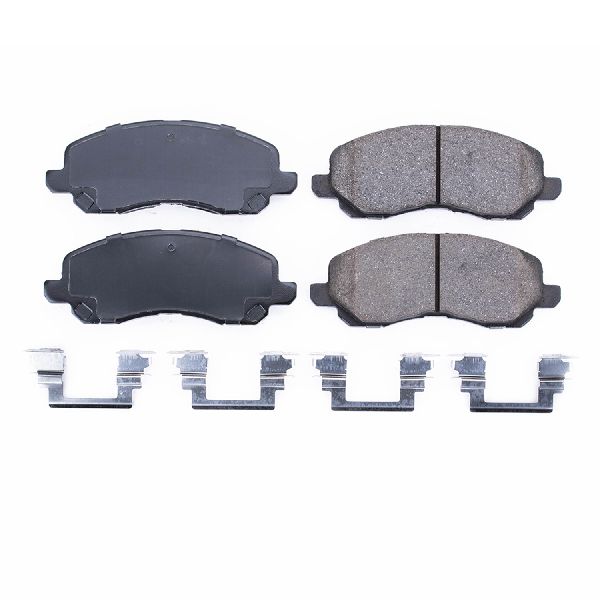
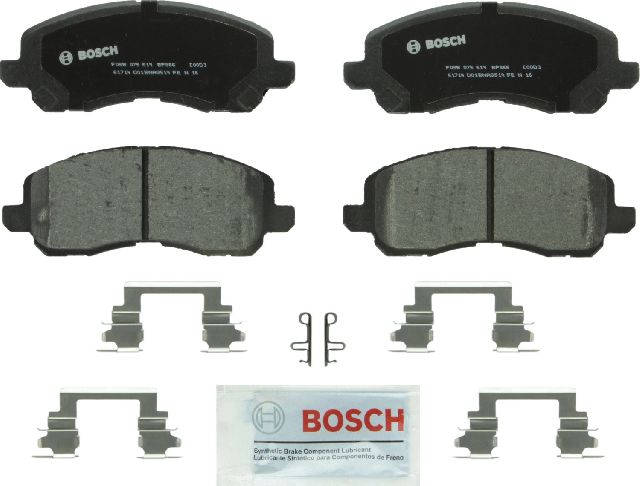
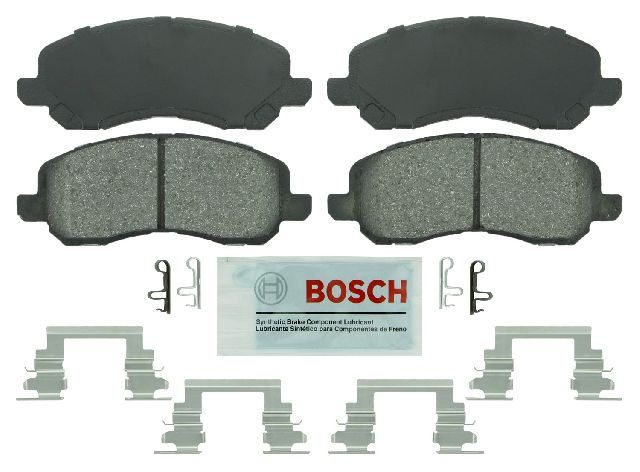
- Always use the new hardware (clips and springs) that comes with a quality brake pad set to ensure quiet operation and proper fit.
Is it Time for New Brake Pads?


Your RVR will give you clear signs when its brake pads are getting low. Ignoring these signs can lead to more expensive repairs, like needing to replace the brake rotors as well.
- Squealing or Screeching: A high-pitched squeal when you brake is the most common sign. Most brake pads have a small metal wear indicator that makes this noise when the pad material is thin.
- Grinding Noise: If you hear a deep, metallic grinding or growling, stop driving as soon as it is safe. This means the pad material is completely gone, and metal is grinding against metal, which can quickly destroy your brake rotors.
- Vibrating Brake Pedal: A shaking or pulsing feeling in the brake pedal or steering wheel when you brake often points to warped brake rotors, which can happen when pads are worn.
- Spongy or Soft Pedal: If the brake pedal feels softer than usual or sinks towards the floor, it could mean there's a problem in the brake system, possibly related to worn pads or a fluid leak.
- Longer Stopping Distance: If you notice your RVR takes longer to stop than it used to, your brake pads may be too worn to be effective.
Known Issues for the Mitsubishi RVR
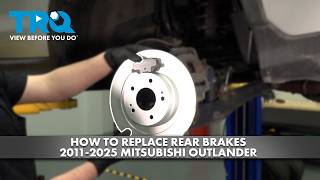
Rear Brake Caliper Recall (2013-2016 RVR): A recall was issued because the parking brake shaft in the rear calipers could rust and get stuck. This could cause the parking brake to not work correctly or cause the rear brakes to drag. The solution is dealer replacement of the rear brake calipers. 🎬 See how to replace the rear brakes on this vehicle platform. Check if your vehicle is affected by this recall (NHTSA ID: SR-18-002).
Rear Brake Knocking/Squeaking TSB (2011-2019 RVR): Mitsubishi released Technical Service Bulletin TSB-19-35-002REV for a metallic knocking or squeaking sound from the rear brakes at low speeds. This is often caused by weak brake pad clips. The fix involves installing improved clips and properly lubricating the caliper support. Using quality aftermarket pads that come with new hardware can help prevent this issue.
Choosing the Right Aftermarket Brake Pads

Aftermarket brake pads for your RVR come in different types and quality levels. The original pads are typically ceramic, which offer a good balance of quiet operation, low dust, and good performance for a daily driver.
- Economy Pads (Pronto, Total Stopping Solutions): These are the most affordable option and meet basic safety standards. They are a good choice for drivers on a tight budget or with low annual mileage. However, they may not last as long or be as quiet as more expensive pads.
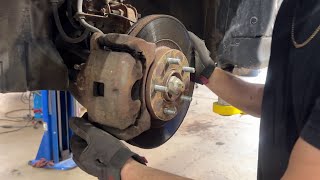
- Daily Driver / OEM-Equivalent Pads (Akebono, Bosch, Beck Arnley, Centric, Raybestos, Wagner): This is the most popular category. Brands like Akebono are often the original equipment manufacturer for Japanese vehicles, offering similar or better quality than the pads your RVR came with. Bosch QuietCast pads are also a strong choice, often coming in a kit with all necessary hardware. These pads provide a great balance of durability, low noise, and reliable stopping power for normal commuting. 🎬 Watch this step-by-step guide for changing your front pads and rotors.
- Performance Upgrade Pads (Brembo, Powerstop, Dynamic Friction): If you use your RVR for towing, live in a mountainous area, or simply want better braking performance, these brands are a good choice. Powerstop often sells complete kits with drilled and slotted rotors for improved heat dissipation. Brembo is a world leader in performance brakes and offers premium pads for drivers who demand more from their vehicle.
What are Ceramic and Semi-Metallic Pads?
Ceramic pads are the most common type for modern SUVs like the RVR. They are known for being very quiet, producing less brake dust on your wheels, and offering a long life. They are perfect for daily driving.
Semi-metallic pads contain metal fibers. They often provide better performance in extreme heat and cold and can have a stronger "bite." However, they are typically noisier, create more dust, and can wear out brake rotors faster than ceramic pads.
Estimated Costs for Brake Pad Replacement

| Part Type | Estimated Cost (Parts Only) |
|---|---|
| New Aftermarket Brake Pad Set | $24 - $90 |
| New OEM Brake Pad Set | $70 - $120 |
| Shop Labor | $150 - $300 per axle |
Costs are estimates and may vary based on location, brand, and vehicle specifics. It is often recommended to replace or resurface brake rotors at the same time as the pads.
Frequently Asked Questions
Should I choose OEM or aftermarket brake pads for my RVR?
For the Mitsubishi RVR, high-quality aftermarket pads from brands like Akebono, Bosch, or Centric can offer performance and quality equal to or even better than OEM pads, often at a lower price. OEM pads are a guaranteed fit and quality, but you can get more for your money with a reputable aftermarket brand.
How often do I need to replace the brake pads on a Mitsubishi RVR?
Brake pad life depends heavily on your driving style and conditions. For a Mitsubishi RVR, a general estimate is every 30,000 to 70,000 miles. If you do a lot of city driving with frequent stops, you will be on the lower end of that range. Highway drivers will see longer life. Regular inspection is key.
Do I need to replace my rotors with my pads?
It is highly recommended. While you can sometimes get away with just replacing the pads, installing new pads on old, worn rotors can cause noise, vibration, and reduced brake performance. For best results and safety, replacing pads and rotors together is the best practice.
🎬 Check out this walkthrough for servicing the rear brakes yourself.What is the knocking noise from my rear brakes?
On 2011-2019 RVR models, a metallic knocking sound from the rear is a known issue addressed by a Technical Service Bulletin (TSB-19-35-002REV). It's usually caused by the brake pad clips. A mechanic can install updated parts to fix it, or you can ensure the new aftermarket pads you buy come with high-quality replacement clips and hardware.
Helpful Videos
Technical Specifications
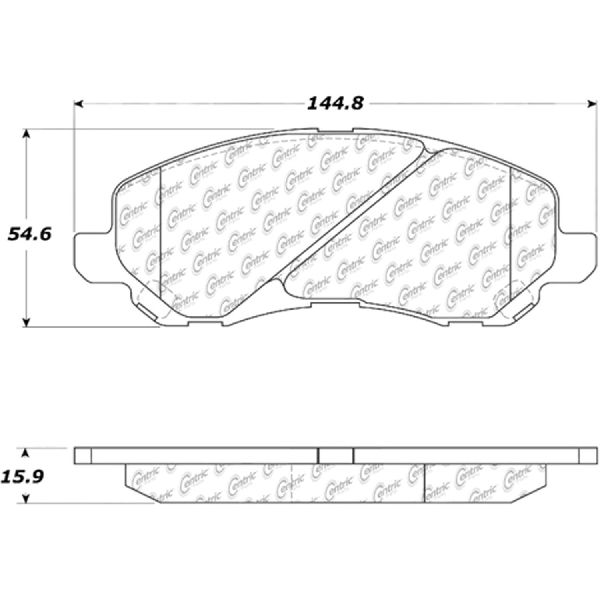
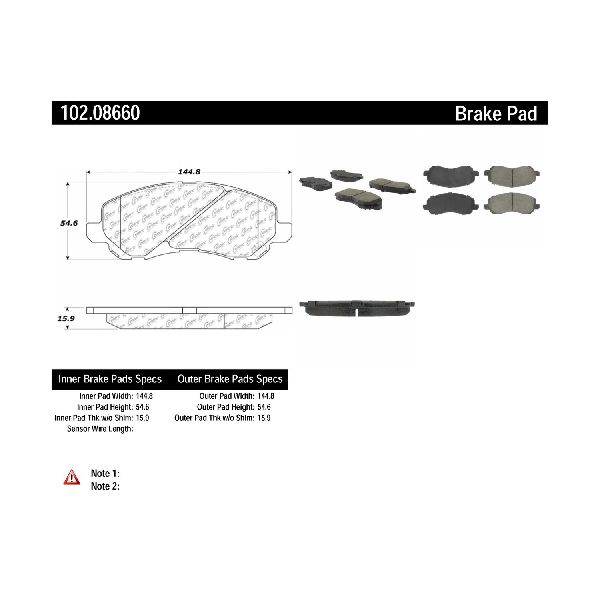
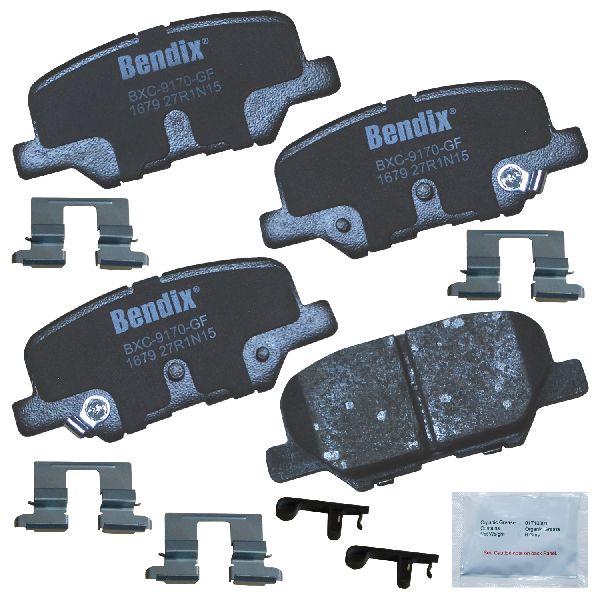
Most Mitsubishi RVR models from 2011-2024 use ceramic brake pads for both the front and rear axles. Many aftermarket sets include new stainless steel hardware like clips and springs, which should always be used during installation.
We Have This Part in Stock

The information in this article is provided for general reference and educational purposes only. Vehicle specifications, procedures, and part compatibility can vary by production date, trim level, and region. Always consult your vehicle's factory service manual and verify part numbers before purchasing or performing repairs. Safety-critical components such as airbags, seat belts, and braking systems should be installed by a qualified professional.
- Mitsubishi RVR: