

Ram 5500 Oxygen Sensor Guide for 2011-2024 Models
Fix check engine lights and poor fuel economy on your Ram 5500 by choosing the right oxygen sensor.
- For Ram trucks, using OEM Mopar or high-quality aftermarket brands like NTK and Denso is strongly recommended to avoid compatibility issues.
- A bad oxygen sensor will decrease fuel economy and can cause long-term damage to your catalytic converter.
- On 2010-2012 Cummins models, check for TSBs related to faulty wiring connectors before replacing the expensive NOx sensors.
- Confirm the exact sensor you need: upstream vs. downstream, and gas vs. diesel, as they are not interchangeable and vary greatly in price.
Is Your Ram 5500 Oxygen Sensor Failing?
A failing oxygen sensor can cause a range of frustrating problems. Because these sensors directly impact the engine's air-fuel mixture and emissions system, ignoring the signs can lead to reduced fuel economy, poor performance, and even damage to other expensive components like the catalytic converter. Pay attention to your truck—it will usually tell you when a sensor is going bad.
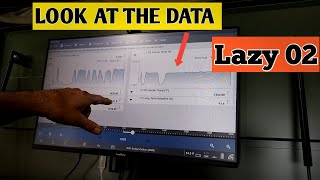
🎬 Watch: A quick guide to common bad oxygen sensor symptoms.Key Symptoms of a Bad O2 Sensor:
- Check Engine Light: This is the most common sign. A scanner will often show codes related to the O2 sensor heater circuit, performance, or slow response (e.g., P0130-P0167).
- Worse Fuel Economy: A bad upstream sensor can cause the engine to run rich, burning more fuel than necessary. This is often one of the first things a driver notices.
- Rough Idle or Misfires: The engine may run rough, hesitate, or misfire because it's receiving an incorrect air-fuel mixture.
- Failed Emissions Test: A bad O2 sensor will almost guarantee a failed emissions test.
- Rotten Egg Smell: A rich-running engine can overheat the catalytic converter, producing a sulfur-like smell from the exhaust.
Known Issue for 6.7L Cummins Diesel Owners (2010-2012)
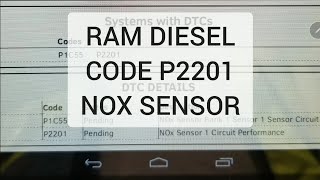
If you have an early model year 6.7L Cummins and are getting multiple O2 sensor codes (like P0030, P013A, P014D), the problem may not be the sensor itself. Chrysler issued several Technical Service Bulletins (TSBs) for faulty oxygen sensor wiring connectors. The official repair involves replacing the connectors with new pigtails or installing an overlay harness, as corrosion or poor contact at the connector was causing the codes. Before replacing the expensive NOx sensors, have a mechanic check for TSB 25-002-14 or 25-004-12. 🎬 See how to fix common Cummins O2 sensor wiring codes.
Choosing the Right Aftermarket Oxygen Sensor
When it comes to electronic sensors, Ram trucks can be particular. While OEM Mopar sensors are widely recommended by mechanics and owners for guaranteed compatibility, some high-quality aftermarket brands offer reliable performance. Cheaper, no-name brands are often a gamble and can cause new, hard-to-diagnose problems. We've grouped the available brands into tiers based on community feedback and industry reputation.
Brand Quality Tiers
- Tier 1 (OEM Equivalents): NGK (and its NTK brand), Denso. These companies are major OEM suppliers for many automakers, and forum users report the most success with them after Mopar. In fact, NTK is often the original manufacturer for Mopar sensors.
- Tier 2 (Trusted Aftermarket): Bosch, Delphi. Bosch invented the oxygen sensor and is a massive global supplier. While generally a top-tier brand, some Ram owners have reported occasional compatibility issues, making it a slightly less certain choice than NGK or Denso for these specific trucks. Delphi is another well-respected OEM supplier with a solid aftermarket reputation.
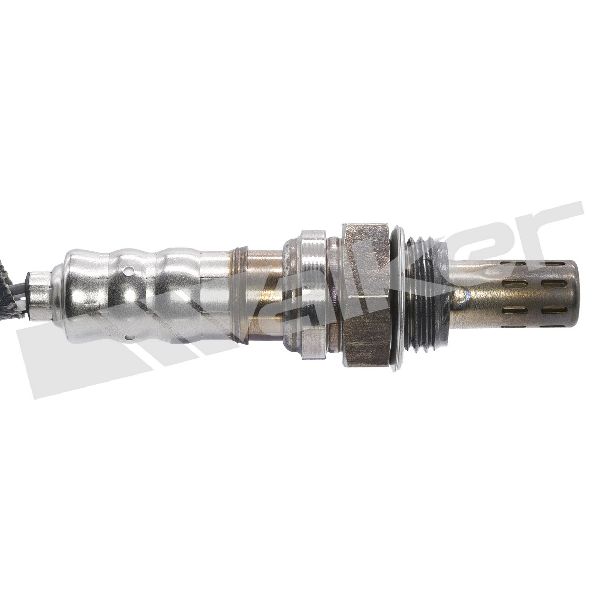
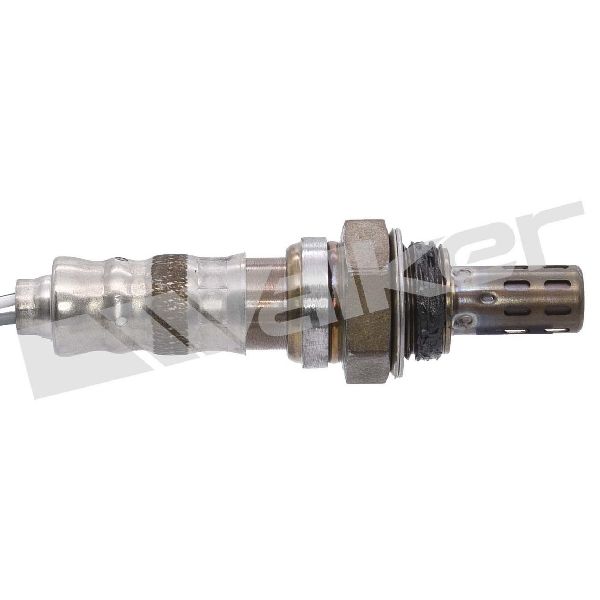
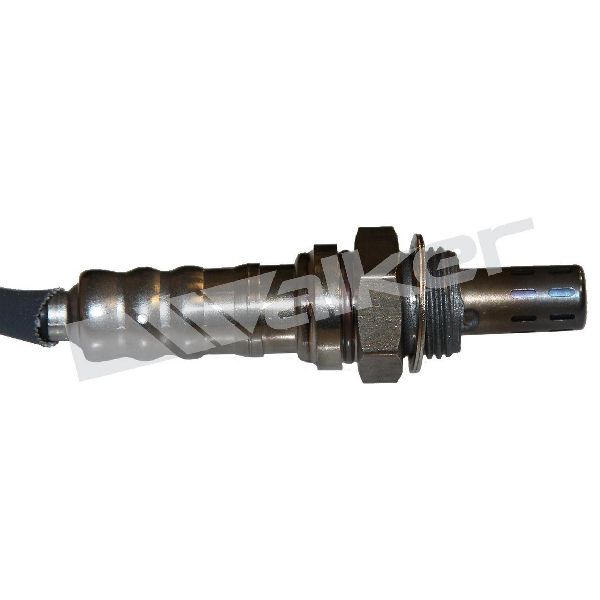
- Tier 3 (Value-Oriented): Walker Products, Crown Automotive, DriveWire, Global Parts. These brands can be a cost-effective solution and may work without issue. However, they lack the long-standing trust and OEM-supplier status of the higher-tier brands for sensitive electronics. Walker, for instance, has been described by users as "ok but not top dog."
Pro Tip: Upstream vs. Downstream
Before you buy, make sure you know which sensor you need. Upstream sensors (Bank 1 Sensor 1, Bank 2 Sensor 1) control fuel trim and are different from downstream sensors (Bank 1 Sensor 2, Bank 2 Sensor 2) that monitor the catalytic converter. They are not interchangeable. Also, sensors for gasoline (Hemi) and diesel (Cummins) engines are completely different parts with vastly different prices.
Oxygen Sensor Replacement Cost for Ram 5500
The cost can vary significantly based on the engine type (gas vs. diesel) and whether you do the work yourself. Diesel NOx sensors are significantly more expensive than gasoline O2 sensors.
| Item | Estimated Cost |
|---|---|
| New Aftermarket Sensor (Gas 6.4L Hemi) | $45 - $150 |
| New OEM Mopar Sensor (Gas 6.4L Hemi) | $70 - $190 |
| New Aftermarket/OEM Sensor (Diesel 6.7L Cummins) | $150 - $900+ |
| Shop Labor | $100 - $250 |
Frequently Asked Questions
How many oxygen sensors does my Ram 5500 have?
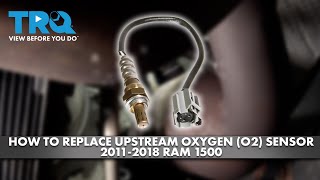
For 6.4L Hemi V8 engines, you will typically have four sensors: two upstream (one for each bank) and two downstream (one for each bank). For 6.7L Cummins diesel engines, there are typically two primary O2/NOx sensors—one upstream near the turbo 🎬 Watch: Step-by-step walkthrough for replacing the upstream diesel NOx sensor. and one downstream in the exhaust system—plus other temperature and particulate sensors.
Can I clean an O2 sensor instead of replacing it?
Sometimes, especially on diesel engines where soot buildup is common, cleaning the sensor tip can restore function and clear "slow response" codes. However, this is often a temporary fix. If the sensor's internal heating element has failed or it's contaminated internally, cleaning will not help and replacement is necessary.
Is replacing an O2 sensor a DIY job?
Yes, it is often a straightforward job for a DIYer. The main challenges are reaching the sensor and removing it if it's seized with rust. A special tool called an O2 sensor socket, which has a slot for the wire, makes the job much easier. Always apply anti-seize compound to the threads of the new sensor before installation.
What's the difference between an O2 sensor and a NOx sensor?
While they perform similar functions, they are designed for different engines. A traditional O2 sensor is used on gasoline engines. A NOx (Nitrogen Oxide) sensor is a more complex and expensive type of wideband oxygen sensor used in modern diesel exhaust systems to control the SCR (AdBlue/DEF) system. They are not interchangeable.
Helpful Videos

![Bad O2 Sensor Symptoms Downstream & Upstream [Oxygen Sensor Failure and Causes] How to fix & Replace](https://img.youtube.com/vi/b-xxdBlikSA/mqdefault.jpg)
Technical Specifications
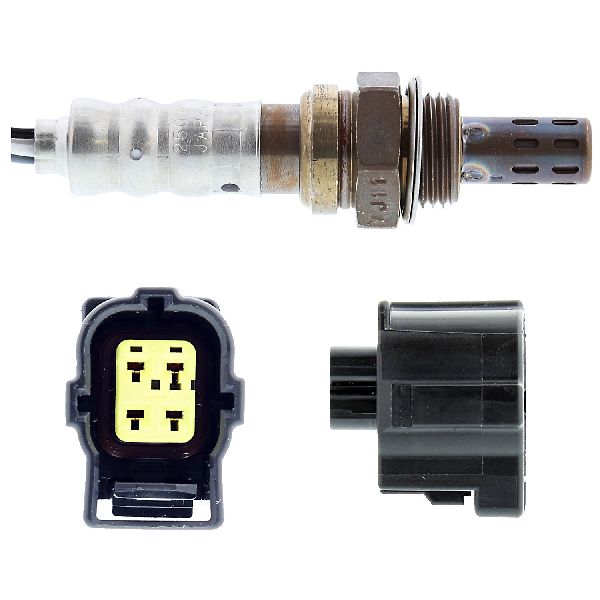
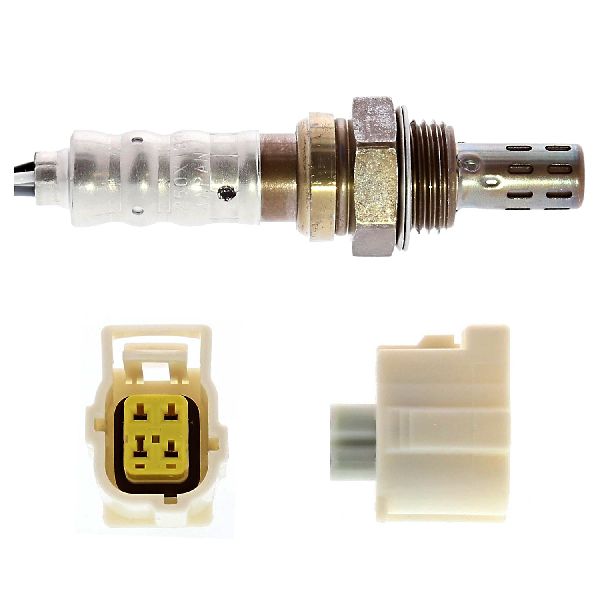
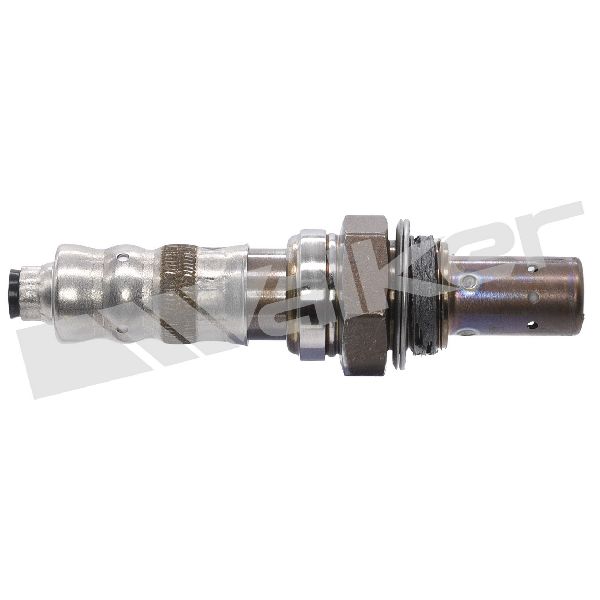
OEM Part Numbers: 5149171AA 68227486AA 68234701AA 68441967AA
Varies by engine (6.4L Hemi vs 6.7L Cummins) and location (upstream vs. downstream). Sensors are typically 4-wire or 5-wire heated units with direct-fit connectors.
We Have This Part in Stock

The information in this article is provided for general reference and educational purposes only. Vehicle specifications, procedures, and part compatibility can vary by production date, trim level, and region. Always consult your vehicle's factory service manual and verify part numbers before purchasing or performing repairs. Safety-critical components such as airbags, seat belts, and braking systems should be installed by a qualified professional.
- Ram 5500:
- 🎬 Helpful Videos
- 🛍️ Shop This Part
- Is Your Ram 5500 Oxygen Sensor Failing?
- Key Symptoms of a Bad O2 Sensor:
- Known Issue for 6.7L Cummins Diesel Owners (2010-2012)
- Choosing the Right Aftermarket Oxygen Sensor
- Brand Quality Tiers
- Pro Tip: Upstream vs. Downstream
- Oxygen Sensor Replacement Cost for Ram 5500
- Frequently Asked Questions
- 🎟️ Get 5% Off