

Toyota 4Runner (2011-2024) Disc Brake Rotor Set: Solving Vibration and Improving Stopping Power
If you're feeling a shimmy or pulsation when you brake, your 4Runner's disc rotors are the likely cause.
- Vibration during braking is the most common sign of worn rotors on a 4Runner, often due to uneven pad deposits rather than true warping.
- For heavy use, towing, or mountainous driving, upgrade to a performance kit like the Powerstop Z36 with drilled/slotted rotors for better heat management.
- For daily driving, a quality coated blank rotor from a brand like Dynamic Friction is a reliable, cost-effective choice.
- Always replace pads and rotors together and ensure the wheel hub surface is cleaned of rust before installing new rotors to prevent vibration.
Signs of Failing Brake Rotors on a 4Runner
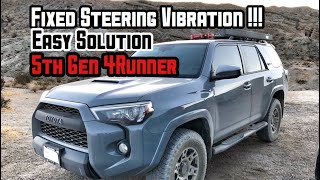
The most common complaint from 5th Gen 4Runner owners is a pulsation or vibration felt in the steering wheel or brake pedal when braking from highway speeds. 🎬 Watch this video to see why your 4Runner shakes when braking. This is often called 'warped rotors,' but it's usually caused by uneven deposits of brake pad material on the rotor's surface. Other signs it's time for a replacement include:
- Grinding or Squealing Noises: A high-pitched squeal is from the wear indicator on the pads, but a deeper grinding means metal-on-metal contact, which damages the rotors.
- Visible Grooves or Hot Spots: A visual inspection may reveal deep scoring, cracks, or discolored patches on the rotor surface.
- Increased Stopping Distance: If your 4Runner takes longer to stop than it used to, worn rotors could be a contributing factor.
- Vibration in the Pedal or Steering Wheel: This is the classic sign of uneven rotor wear or deposits, especially noticeable when braking from speeds above 40 mph.
Known Issues: Brake Squeal TSB
Toyota has issued Technical Service Bulletins (TSBs) for some 2019-2021 4Runner models that may exhibit a squeal or squeak from the front brakes. TSB T-SB-0051-22 involves replacing the front brake pads to fix the noise. While this TSB doesn't mandate rotor replacement, some dealer procedures for similar noise complaints have included resurfacing the rotors, indicating a link between rotor surface and brake noise.
Choosing the Right Aftermarket Rotors for Your 4Runner
While some owners prefer to stick with OEM parts, many find that high-quality aftermarket rotors offer better performance and value, especially for specific needs. Cheap, unbranded rotors are not recommended as they are more likely to cause vibration issues.
Tier 1: Daily Driver / OEM-Style Replacement
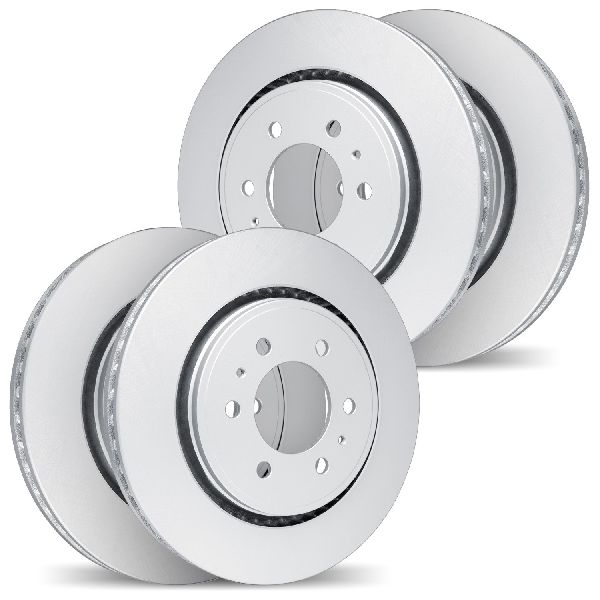
If you use your 4Runner for daily commuting and general family duties, a quality set of blank, coated rotors is an excellent choice. Brands like Dynamic Friction offer rotors that meet or exceed OEM specifications. Look for features like a GEOSPEC or zinc coating, which helps prevent rust on the non-contact surfaces of the rotor, keeping them looking good behind your wheels. These are a direct, reliable replacement for the stock parts.
Tier 2: Heavy Duty & Performance Upgrade
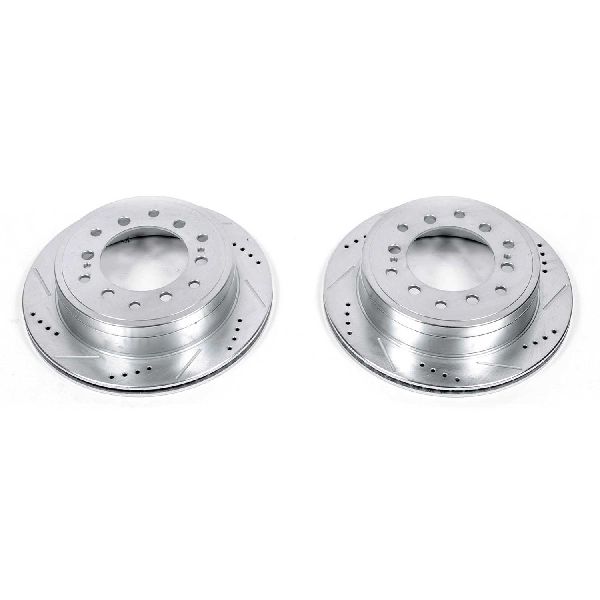
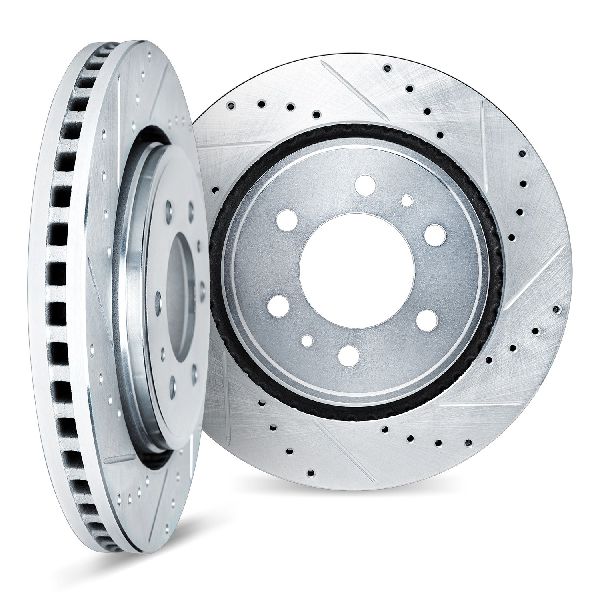
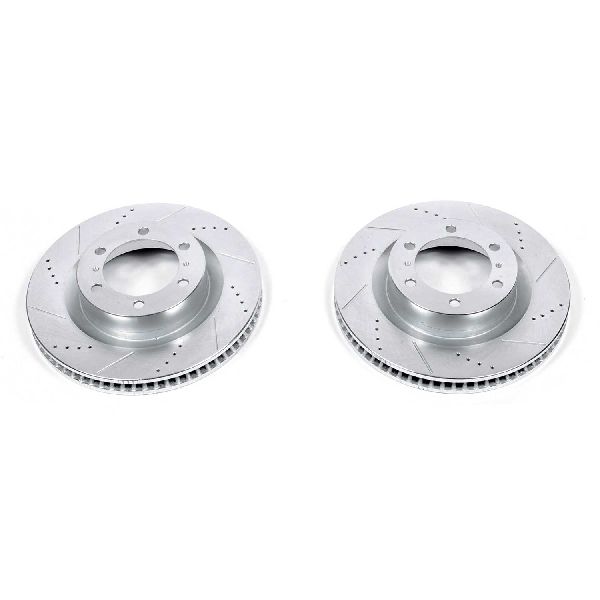
If you tow, carry heavy loads, have larger tires, or frequently drive in mountainous terrain, a performance brake kit is a worthwhile upgrade. These kits often feature drilled and slotted rotors paired with carbon-fiber ceramic brake pads.
- Drilled Holes & Slots: These features help vent hot gases and debris from between the pad and rotor, providing more consistent braking under heavy use and helping to keep the rotor cool.
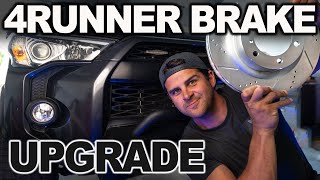
- Performance Pads: Kits like the Powerstop Z36 Truck & Tow 🎬 See a full review and install of this heavy-duty brake kit. include carbon-fiber ceramic pads designed for severe-duty use, offering more stopping power without sacrificing quiet, low-dust operation for daily driving.
Brands like Powerstop and Dynamic Friction offer complete kits that include rotors, pads, and all new hardware for a complete brake job.
Pro Tip: Replace, Don't Just Resurface
In the past, 'turning' or resurfacing rotors on a lathe was common practice. Today, new rotors are thinner and more affordable, making replacement the more common and reliable repair. Replacing rotors ensures you have the maximum amount of metal to absorb and dissipate heat, which is crucial for preventing future vibration issues.
| Part | Price Range (Parts Only) |
|---|---|
| New OEM (Pair) | $145 - $215 |
| New Aftermarket (Pair) | $103 - $458 |
| Shop Labor (Per Axle) | $170 - $300 |
Frequently Asked Questions (FAQ)
Why do my 4Runner rotors seem to 'warp' so often?
This is a very common issue. It's usually not the rotor itself bending, but rather an uneven buildup of pad material on the rotor's surface, causing a pulsation when you brake. This can be caused by heavy braking (especially downhill), sticking caliper pins, or improper lug nut torque. Using high-quality rotors and pads and ensuring the hub surface is clean during installation can help prevent this.
Are drilled and slotted rotors better for my 4Runner?
It depends on your usage. For a stock 4Runner used for daily driving, quality blank rotors are perfectly fine. If you have added weight from armor, carry heavy gear, tow, or live in the mountains, the improved cooling and consistent performance of a drilled and slotted kit like the Powerstop Z36 can be a significant safety and performance upgrade.
Should I replace my brake pads when I replace my rotors?
Yes, always. Installing new rotors with old pads will cause the old wear pattern to be transferred to the new rotor, potentially causing noise and vibration. For a clean start and proper break-in, always replace pads and rotors together.
Is it hard to replace 4Runner brake rotors myself?
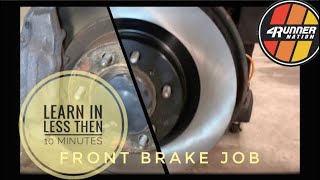
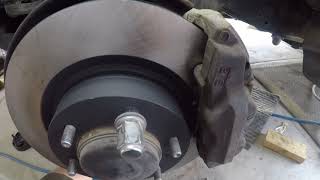
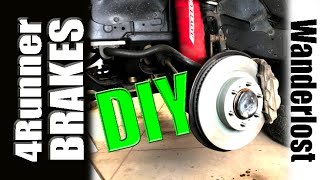
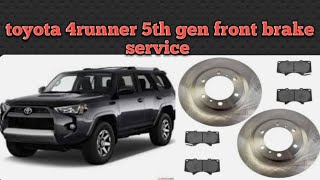
For a mechanically inclined person with the right tools, replacing the front rotors and pads on a 5th Gen 4Runner is a very manageable DIY job that can save you hundreds in labor. There are many video tutorials available. 🎬 Learn how to replace your front brakes in under 10 minutes. A key step is to use two M8x1.25 bolts in the threaded holes on the rotor face to help push a stuck rotor off the hub.
Helpful Videos

Technical Specifications
OEM Part Numbers: 43512-60191 43512-60190
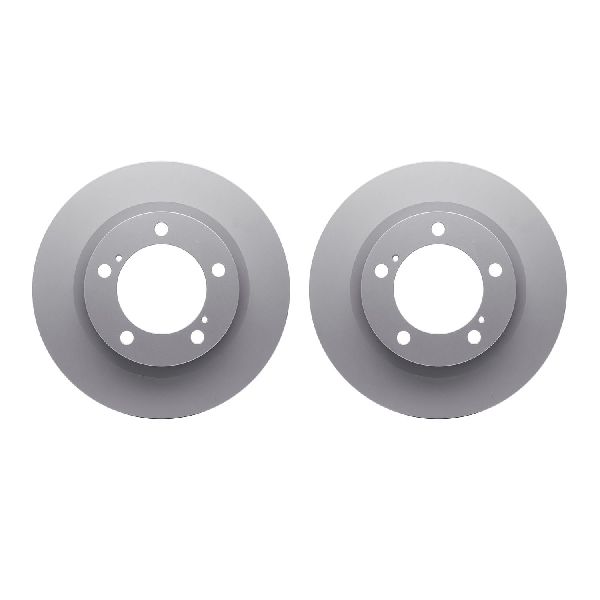
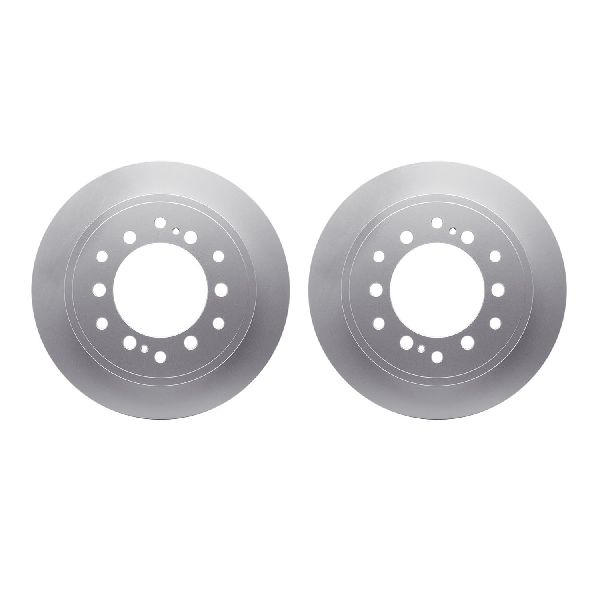
The front brake rotor for the 2011-2024 Toyota 4Runner is a vented, 6-lug disc. The OEM part number is 43512-60191, which supersedes 43512-60190.
We Have This Part in Stock

The information in this article is provided for general reference and educational purposes only. Vehicle specifications, procedures, and part compatibility can vary by production date, trim level, and region. Always consult your vehicle's factory service manual and verify part numbers before purchasing or performing repairs. Safety-critical components such as airbags, seat belts, and braking systems should be installed by a qualified professional.
- Toyota 4Runner:
- 🎬 Helpful Videos
- 🛍️ Shop This Part
- Signs of Failing Brake Rotors on a 4Runner
- Known Issues: Brake Squeal TSB
- Choosing the Right Aftermarket Rotors for Your 4Runner
- Tier 1: Daily Driver / OEM-Style Replacement
- Tier 2: Heavy Duty & Performance Upgrade
- Pro Tip: Replace, Don't Just Resurface
- Frequently Asked Questions (FAQ)
- 🎟️ Get 5% Off