

Toyota 4Runner Power Steering Pump: A Guide for 2011-2024 Models
Addressing the whining noises and stiff steering in your 5th Generation Toyota 4Runner.
- Use the correct fluid: Your 4Runner requires DEXRON-type Automatic Transmission Fluid (ATF), not generic power steering fluid.
- Symptoms often start with noise: A whining or groaning sound when turning is the earliest and most common sign of a problem.
- Bleeding is mandatory: After replacement, you must bleed all air from the system to prevent noise and ensure proper operation.
- Inspect the whole system: A bad hose or clogged reservoir screen can cause symptoms similar to a failing pump. Check these components before committing to a pump replacement.
Is Your 4Runner's Power Steering Pump Failing?

The power steering system in the 2011-2024 Toyota 4Runner is known for its reliability. However, with age and mileage, the pump can wear out. Failures are not typically due to a design flaw but rather from normal wear, contaminated fluid, or leaks in the system. Recognizing the symptoms early can prevent a sudden loss of steering assist.
Key Failure Symptoms
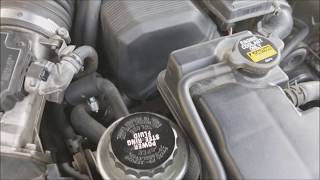
🎬 Watch: How to diagnose a bad power steering pumpPay attention to these common signs of a failing power steering pump:
- Whining or Groaning Noises: The most common symptom is a distinct whining noise that gets louder when you turn the steering wheel or as engine RPMs increase. This is often caused by low fluid or air in the system.
- Stiff Steering: If turning the wheel suddenly requires more muscle, especially at low speeds or when parking, the pump may not be generating enough pressure.
- Fluid Leaks: Reddish or brownish fluid puddles under the front of your 4Runner indicate a leak. While this could be from a hose, the pump seals are a common source.
- Foaming Fluid: If you check the power steering reservoir and the fluid looks foamy or has bubbles, it means air is entering the system. This can be a sign of a bad pump seal or a leak on the suction side of the system.
A Note on 4Runner Whining Noises
Some 5th Gen 4Runner owners report a slight, consistent whining noise during acceleration that is not related to the power steering pump. This is sometimes attributed to other components like an idler gear. A failing power steering pump noise will typically change pitch or volume when you turn the steering wheel.
Choosing the Right Aftermarket Pump

When replacing your power steering pump, you have several options. The OEM Toyota pump is a high-quality, reliable part, but it comes at a higher price. Aftermarket options can offer significant savings, but quality varies by brand.
Brand Tiers for Aftermarket Pumps
- New High-Quality Aftermarket (Aisin, etc.): Brands like Aisin are often the original equipment manufacturer for Toyota. Choosing a new pump from a brand like this can provide OEM-level quality at a lower price.
- New Aftermarket (Cardone, AAE, Mapco): These brands offer brand-new pumps that eliminate the risks associated with remanufactured parts. Cardone is widely available and offers a lifetime warranty on some new parts, which can provide peace of mind. Mapco is a German brand noted for its quality manufacturing processes.
- Remanufactured (Cardone, BBB Industries): Remanufactured pumps are the most budget-friendly option. However, their quality can be inconsistent. Forum discussions often contain mixed reviews, with some users experiencing premature failures. While they come with warranties, the labor to replace a failed part a second time is not covered.
Pro Tip: Check Hoses and Fluid First
Before replacing the pump, always inspect the power steering hoses for cracks, brittleness, or leaks. A leaking hose can mimic pump failure by introducing air into the system. Also, ensure you are using the correct fluid; 2011-2024 4Runners require DEXRON-type Automatic Transmission Fluid (ATF), not generic power steering fluid. Using the wrong fluid can damage seals and cause the pump to fail.
🎬 See how to perform a power steering system flushCost of Replacing a 4Runner Power Steering Pump

The total cost depends on the part you choose and whether you do the work yourself or hire a professional.
| Part/Service | Estimated Cost |
|---|---|
| New OEM Part | $310 - $450 |
| New Aftermarket Part | $221 - $326 |
| Remanufactured Part | $175 - $250 |
| Shop Labor | $250 - $500 |
Frequently Asked Questions

Can I perform this replacement myself (DIY)?
Yes, if you have moderate mechanical experience and the right tools. The job involves removing the serpentine belt, draining the system, working in a tight space to disconnect lines, and properly bleeding the system afterward. If you are not comfortable with this, professional installation is recommended.
What fluid should I use in my 4Runner's power steering system?
Your 2011-2024 Toyota 4Runner uses Automatic Transmission Fluid (ATF), specifically a DEXRON II or III compatible fluid. Do NOT use fluid labeled simply as "Power Steering Fluid," as it can cause seals to degrade and lead to leaks or pump failure.
What does it mean to "bleed" the power steering system?
Bleeding is the process of removing air from the hydraulic lines after a replacement. Air in the system causes whining and poor performance. To bleed it, you typically fill the reservoir, and with the engine OFF, turn the steering wheel from full left lock to full right lock several times. You then check the fluid, top it off, and repeat the process with the engine running until the fluid level is stable and no more bubbles appear in the reservoir.
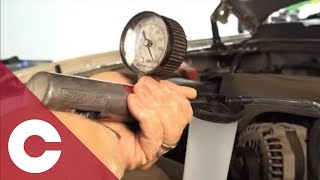
🎬 Watch this guide on how to correctly bleed the systemAre there any recalls for the 2011-2024 4Runner power steering pump?
No, there are no active recalls or widespread Technical Service Bulletins (TSBs) from Toyota for power steering pump failure on the 2011-2024 4Runner. This indicates that the original part is generally robust and failures are typically isolated incidents related to age or other system issues.
Helpful Videos
Technical Specifications
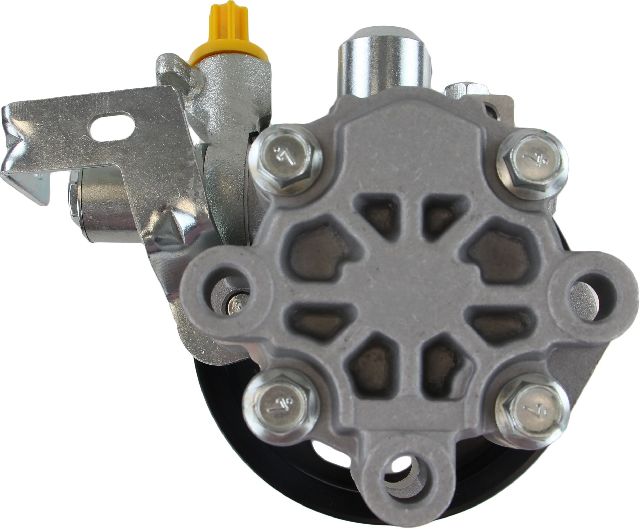
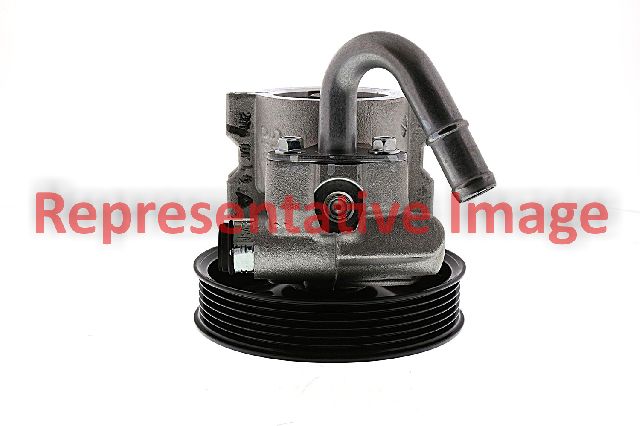
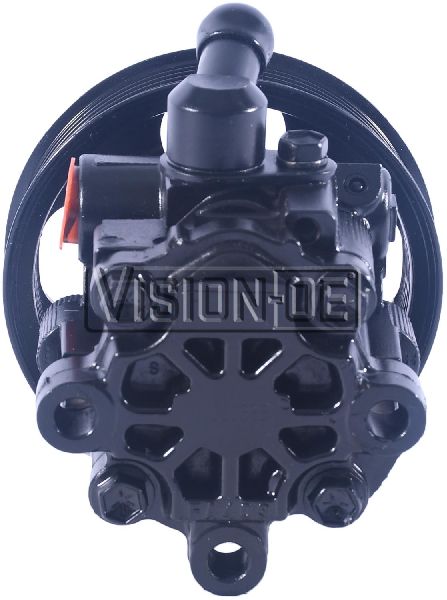
OEM Part Numbers: 44310-60542 44310-60541 44310-60540
Hydraulic, Serpentine Belt Driven
We Have This Part in Stock


The information in this article is provided for general reference and educational purposes only. Vehicle specifications, procedures, and part compatibility can vary by production date, trim level, and region. Always consult your vehicle's factory service manual and verify part numbers before purchasing or performing repairs. Safety-critical components such as airbags, seat belts, and braking systems should be installed by a qualified professional.
- Toyota 4Runner:
- 🎬 Helpful Videos
- 🛍️ Shop This Part
- Is Your 4Runner's Power Steering Pump Failing?
- Key Failure Symptoms
- A Note on 4Runner Whining Noises
- Choosing the Right Aftermarket Pump
- Brand Tiers for Aftermarket Pumps
- Pro Tip: Check Hoses and Fluid First
- Cost of Replacing a 4Runner Power Steering Pump
- Frequently Asked Questions
- 🎟️ Get 5% Off