

A Guide to Aftermarket Spark Plugs for the 2011-2024 Toyota 4Runner
Keep your 4Runner's legendary 4.0L V6 running smoothly with the right set of spark plugs.
- Stick with OEM-equivalent iridium spark plugs from Denso or NGK for proven reliability and performance.
- Be cautious of counterfeit plugs sold on major online marketplaces; buy from reputable sources.
- The replacement interval is long, typically 100,000-120,000 miles, but check your owner's manual.
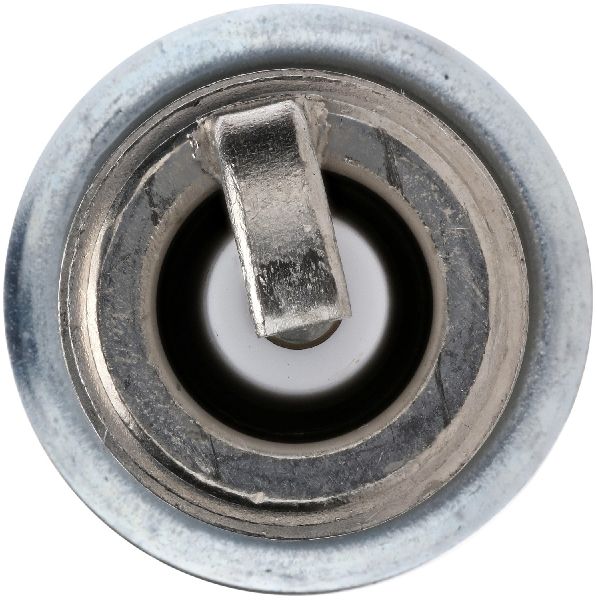
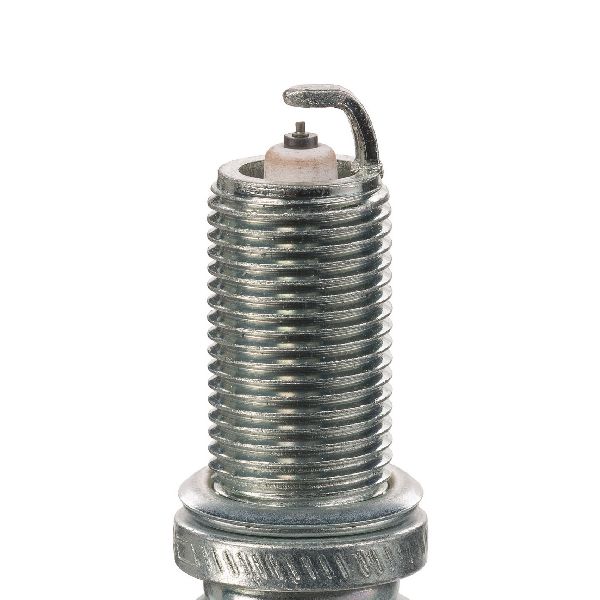
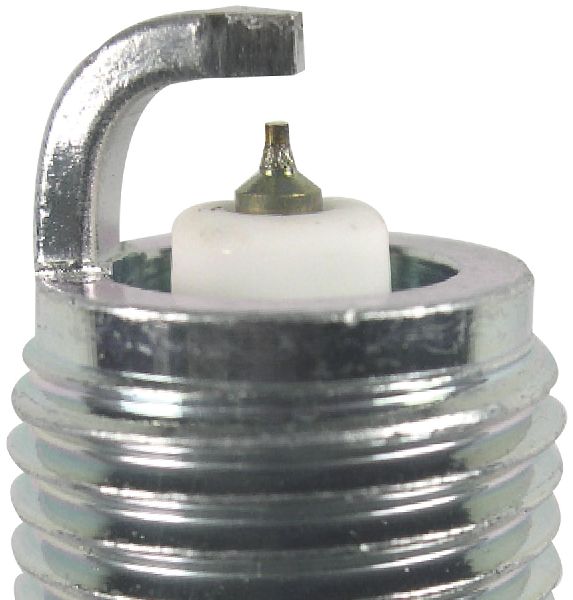
- New iridium plugs come pre-gapped and should not be adjusted to avoid damaging the delicate electrode.
Signs of Failing Spark Plugs in Your 4Runner

When your 4Runner's spark plugs start to wear out, your vehicle's performance will suffer. You might notice the engine feels 'off' or just doesn't run as smoothly as it used to. Common signs include a rough idle, where the vehicle shakes or vibrates when stopped. You may also experience poor acceleration, making the SUV feel sluggish when you press the gas pedal. Other key symptoms are a decrease in fuel economy, difficulty starting the engine, and the Check Engine Light coming on, often with misfire codes (P0300-P0306).
Choosing the Right Aftermarket Spark Plugs

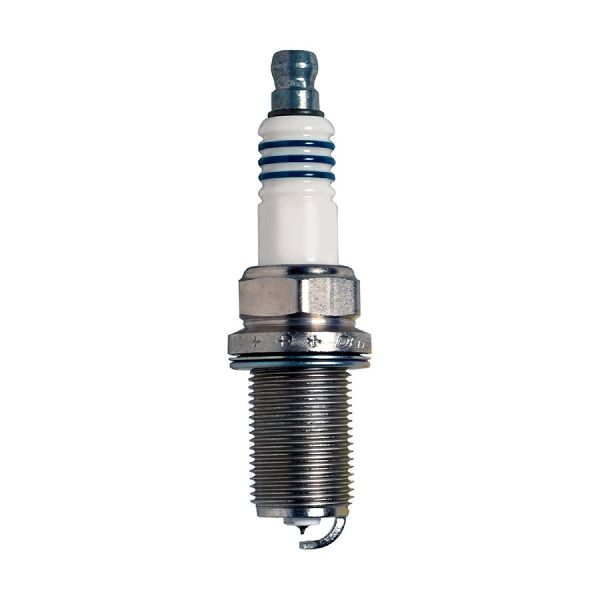
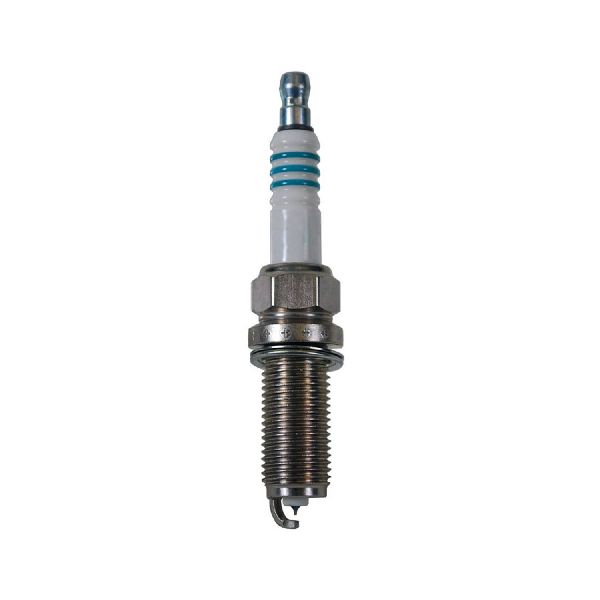
For the 2011-2024 Toyota 4Runner, the original equipment (OEM) spark plugs are made by Denso or NGK. These are iridium-type plugs, known for their long life and consistent performance. When shopping for aftermarket replacements, sticking with these two brands is a safe and highly recommended bet. Many 4Runner owners and mechanics strongly advise using only Denso or NGK iridium plugs to maintain factory performance and reliability. In fact, from the factory, many 4Runners come with three Denso plugs on one side of the engine and three NGK plugs on the other.
Aftermarket Brand Tiers for 2011-2024 4Runner
| Tier | Brands | Quality & Performance Notes |
|---|---|---|
| Top Tier (OEM Equivalent) | Denso, NGK | These are the original equipment suppliers. Using their iridium plugs (like the Denso SK16HR11 or SK20HR11 depending on the year) is the best way to ensure compatibility and performance. They offer excellent longevity, often lasting up to 100,000 miles or more. |
| Mid-Tier | Autolite, Champion | While brands like Autolite offer iridium plugs that claim long service life, the general consensus in the Toyota community is to stick with the OEM brands. Some users report no issues, but others have experienced rough running when using non-OEM brands in Toyota engines. |
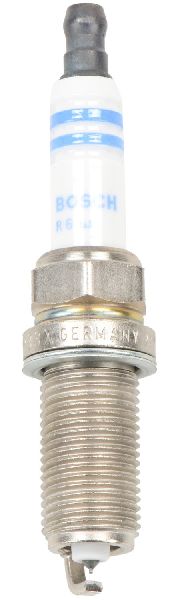
| Lower Tier / Use with Caution | Bosch | Forum discussions frequently advise against using Bosch spark plugs in Toyota engines, with many owners reporting poor performance and running issues shortly after installation. While Bosch is a major brand, their plugs are often not the best choice for Japanese vehicles unless they were installed as original equipment. |
A Warning About Counterfeit Plugs
Be very careful when purchasing Denso or NGK spark plugs from online marketplaces like Amazon or eBay. There is a widespread issue with counterfeit spark plugs that look nearly identical to the real thing but are of very poor quality. These fake plugs can fail quickly and cause engine problems. To avoid this, purchase from a reputable auto parts store or an authorized online dealer.
Known Issues, Recalls, or TSBs

Searches for recalls and Technical Service Bulletins (TSBs) related to spark plugs for the 2011-2024 Toyota 4Runner did not reveal any specific issues. The ignition system on the 4.0L V6 engine is considered very reliable. There have been recalls for other components on these vehicles, but none directly targeting the spark plugs.
Frequently Asked Questions (FAQ)
How often should I change my 4Runner's spark plugs?
The recommended replacement interval for the factory-installed iridium spark plugs is typically every 100,000 to 120,000 miles. However, always check your owner's manual for the specific schedule for your vehicle's model year. Some owners choose to replace them sooner, around 60,000 miles, as preventative maintenance.
Do I need to gap the spark plugs for my 4Runner?
No. Iridium spark plugs for your 4Runner come pre-gapped from the factory. You should not attempt to gap them yourself. The iridium tip is very delicate and can be easily damaged by a gapping tool, which can lead to a misfire. It's a good practice to visually inspect the new plugs to ensure none were damaged in shipping.
What is the difference between 2011-2013 and 2014-2024 spark plugs?
There is a slight difference in the recommended spark plug. The 2010-2013 4Runner models typically use a Denso SK20HR11, while the 2014-2024 models use a Denso SK16HR11. The number refers to the heat range of the plug. It is important to use the correct plug specified for your model year.
Should I use anti-seize on the spark plug threads?
This is a topic of debate, but major manufacturers like NGK often recommend NOT using anti-seize on their modern plugs. The plugs have a special metal plating that acts as an anti-seize and provides the correct electrical grounding. Adding anti-seize can alter the torque reading, leading to over-tightening and potential damage to the cylinder head.
Helpful Videos


Technical Specifications
OEM Part Numbers: 90919-01233 (Denso SK16HR11 for 2014-2024 models) 90919-01191 (Denso SK20HR11 for 2010-2013 models) 90919-A1003
The 4.0L 1GR-FE V6 engine requires 6 iridium-tipped spark plugs. The torque specification for the spark plugs is 13 ft-lbs. The ignition coil mounting bolts are torqued to 7 ft-lbs.
We Have This Part in Stock

The information in this article is provided for general reference and educational purposes only. Vehicle specifications, procedures, and part compatibility can vary by production date, trim level, and region. Always consult your vehicle's factory service manual and verify part numbers before purchasing or performing repairs. Safety-critical components such as airbags, seat belts, and braking systems should be installed by a qualified professional.
- Toyota 4Runner: