

Honda Crosstour Engine Mount Guide (2012-2015): Solving Vibration and Noise
If your Crosstour is vibrating or making clunking sounds, a bad engine mount is the likely cause.
- Vibration at idle and clunking noises are the most common signs of a bad engine mount on your Crosstour.
- V6 models use special hydraulic mounts; replacing them with cheap solid rubber aftermarket parts will likely cause severe vibration.
- For the best results and smoothest ride, OEM mounts are highly recommended by Honda owners, despite the higher cost.
- If using aftermarket parts, understand the trade-off: budget brands like Anchor and DEA often cause vibration issues.
Is Your Crosstour Shaking or Making Noise?

A common issue for the 2012-2015 Honda Crosstour as it ages is the failure of its engine mounts. These parts are made of metal and rubber, and the rubber breaks down over time from heat and stress. When an engine mount fails, it can no longer absorb engine vibrations, leading to several noticeable symptoms.
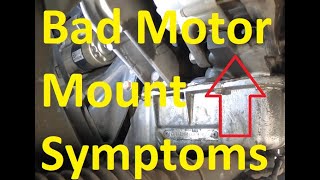
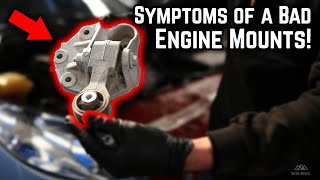
🎬 Watch: How to identify and locate a failing engine mount.Symptoms of a Failing Engine Mount
- Excessive Vibration: This is the most common sign. You might feel a strong vibration in the steering wheel, floor, or seats, especially when the car is idling at a stop light or when the air conditioning is on.
- Clunking or Thumping Noises: You may hear a 'clunk' or 'thud' when you accelerate, decelerate, or shift between drive and reverse. This is the sound of the engine moving too much and hitting other parts.
- Visible Engine Movement: If you have a helper, you can see the engine move excessively. With the parking brake on, have someone shift the car from drive to reverse while you watch the engine. If it jumps or lurches more than an inch or two, a mount is likely bad.
- Visual Damage: Sometimes you can see that a mount has failed. Look for cracked, torn, or collapsed rubber. If your Crosstour has hydraulic mounts, you might see dark, greasy fluid leaking from them.
V6 Models Have Special Mounts
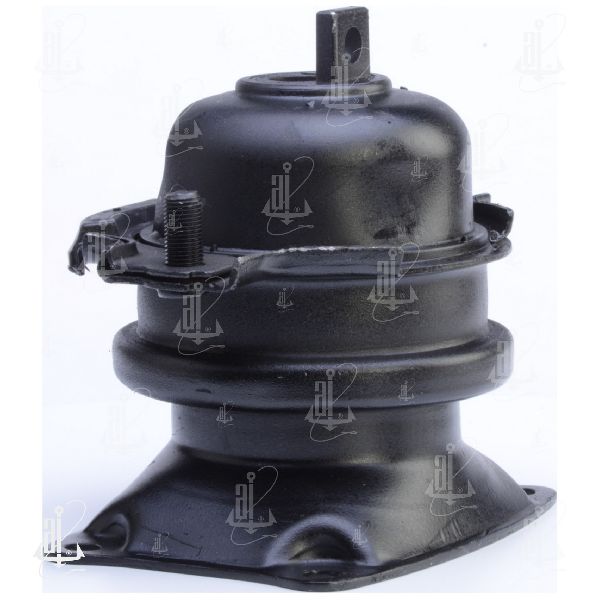
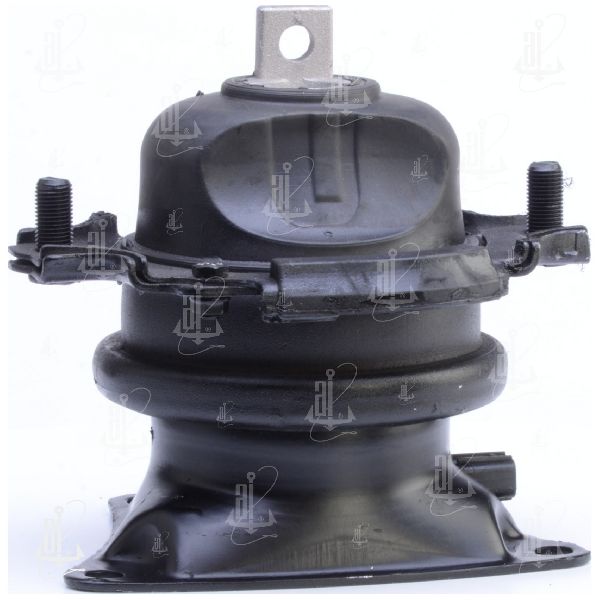
The V6 engine in the Crosstour uses advanced hydraulic and active mounts to manage vibrations from the Variable Cylinder Management (VCM) system. These are more complex than standard rubber mounts. Using a cheap, solid rubber aftermarket mount in place of a hydraulic one will almost certainly lead to harsh vibrations in the cabin.
Choosing the Right Aftermarket Engine Mount

When replacing engine mounts on a Honda, there is a big difference in quality between Original Equipment (OEM) and aftermarket parts. Forum discussions with experienced Honda owners consistently show that OEM mounts provide the best performance and longevity, especially for the V6's active mounts. However, OEM parts can be very expensive. If you choose an aftermarket part, it's important to understand the quality tiers.
Brand Quality Tiers
- Premium Aftermarket (Beck Arnley): Beck Arnley is often considered a higher-quality aftermarket brand and sometimes supplies parts that are identical to OEM. However, for engine mounts, owner experiences are mixed. Some report good results, while others claim they still cause more vibration than OEM. It may be a better choice than budget brands, but don't expect guaranteed OEM-level smoothness.
- Economy Aftermarket (Anchor, DEA, Westar): These brands offer a significant cost saving. However, they are almost universally reported by Honda owners to cause noticeable vibrations at idle. The rubber used is often harder and not hydraulic, so it cannot dampen vibrations as well as the original design. These mounts may also fail much sooner than OEM. They are a budget-friendly option, but you must be willing to accept a less smooth ride.
- Other Brands (MTC, Pioneer Cable): Less information is available for these brands specifically for the Crosstour. They likely fall into the economy category with similar trade-offs in comfort and durability.
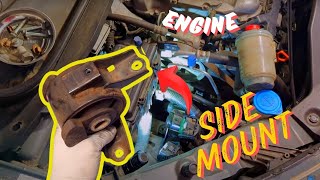
Pro Tip: If you have a V6 Crosstour, many mechanics recommend using an OEM mount for the rear and front positions, as these are critical for controlling idle vibration. 🎬 See this step-by-step walkthrough for replacing Honda V6 mounts. You might be able to use a quality aftermarket part for the side mount to save some money.
Replacement Cost

The cost to replace engine mounts can vary greatly depending on which mounts are broken and the type of parts used. The front and rear mounts on the V6 are often the most expensive.
| Part Type | Estimated Cost (Parts Only) |
|---|---|
| New Aftermarket | $61.92 - $334.17 |
| New OEM | $250 - $1100+ (for a set) |
| Shop Labor | $150 - $400 |
Cost estimates are based on market research and may vary by location and vehicle specifics.
Frequently Asked Questions

How many engine mounts does a 2012-2015 Honda Crosstour have?
Cars typically have between two and four engine mounts, plus transmission mounts. The Crosstour has mounts in the front, rear, and side of the engine bay.
Can I replace just one bad engine mount?
Yes, you can replace only the failed mount. However, it's a good idea to inspect all of them. Mounts wear out at a similar rate, so if one has failed, others may be close behind. A new, stiff mount can also put extra stress on the remaining old, soft mounts.
Is replacing an engine mount a DIY job?
For someone with mechanical experience and the right tools, yes. The job requires safely supporting the engine with a jack and wood block, then unbolting and replacing the mount. Access to some mounts, like the rear one, can be difficult. If you are not comfortable working under your car and supporting the engine, it is best to leave this job to a professional mechanic.
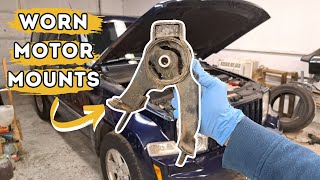
🎬 Watch: A DIY guide to replacing front and passenger mounts.Were there any recalls for the Crosstour engine mounts?
No, there have been no specific recalls or widespread Technical Service Bulletins (TSBs) issued for engine mount failure on the 2012-2015 Honda Crosstour. Any failures are typically due to age and wear.
Helpful Videos
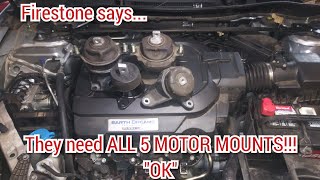
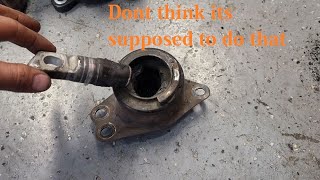
Technical Specifications
OEM Part Numbers: 50830-TA0-A01 50830-TA0-A02 50810-TA0-A01 50820-TA1-A01
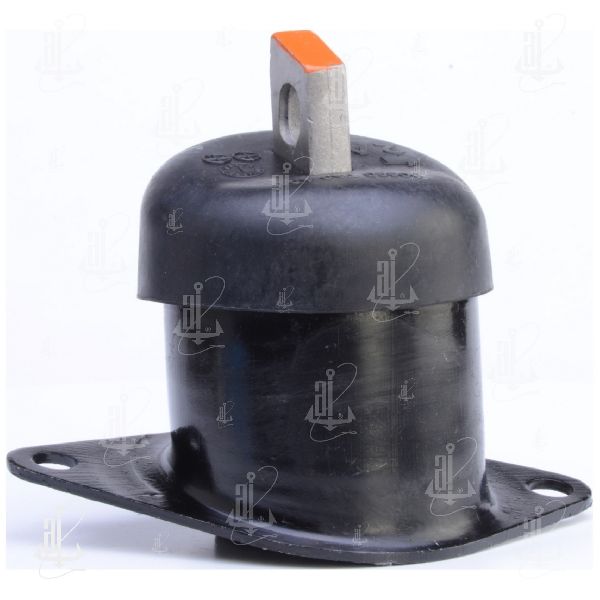
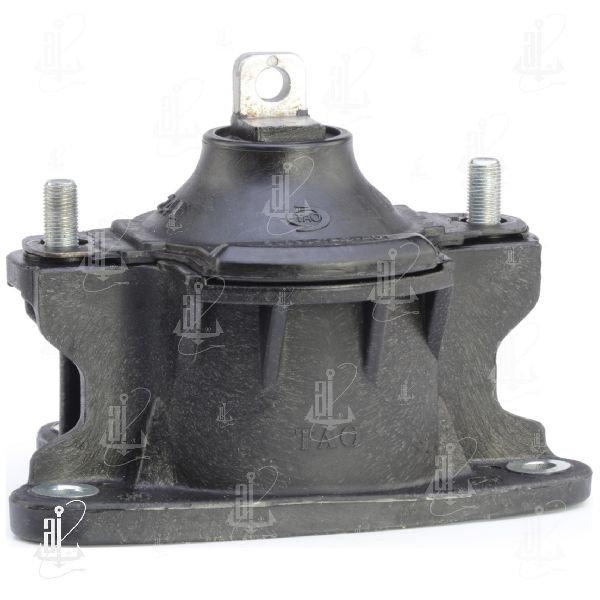
Mounts for the 2012-2015 Honda Crosstour are vehicle and engine-specific. V6 models utilize hydraulic and/or vacuum-controlled active engine mounts to counteract vibration. 4-cylinder models use conventional hydraulic and rubber mounts. It is critical to use the correct type for your vehicle's engine and transmission.
We Have This Part in Stock
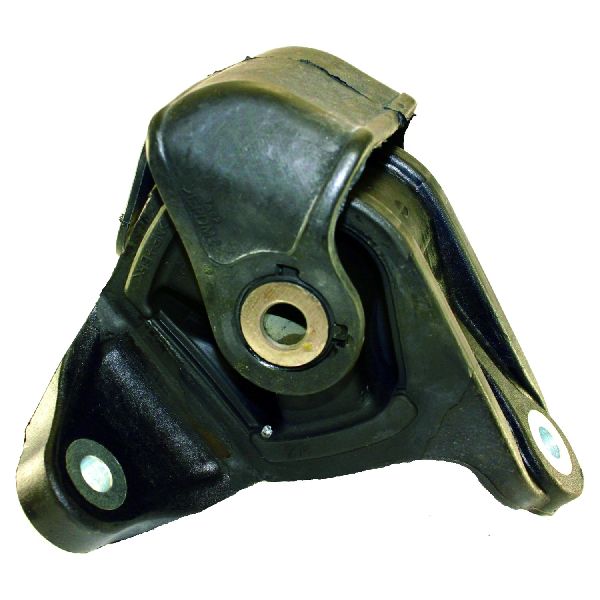
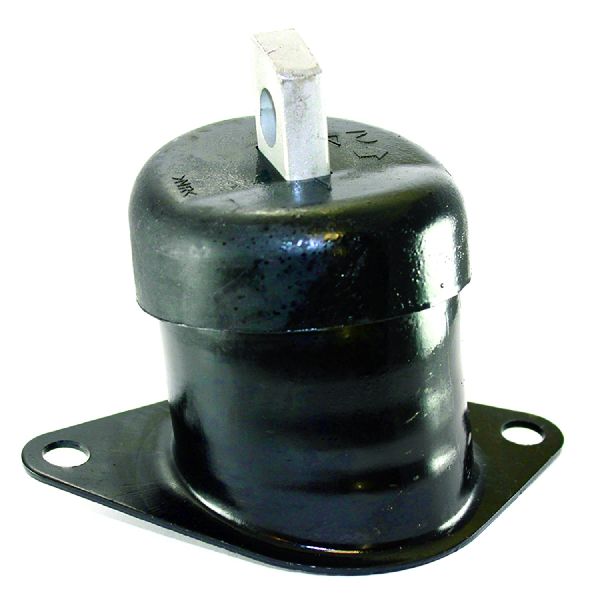

The information in this article is provided for general reference and educational purposes only. Vehicle specifications, procedures, and part compatibility can vary by production date, trim level, and region. Always consult your vehicle's factory service manual and verify part numbers before purchasing or performing repairs. Safety-critical components such as airbags, seat belts, and braking systems should be installed by a qualified professional.
- Honda Crosstour: