

Honda Crosstour V6 Engine Timing Belt Replacement Guide (2012-2015)
This critical guide applies only to Crosstour models with the 3.5L V6 engine.
- This guide is ONLY for the 3.5L V6 Crosstour; the 4-cylinder engine has a timing chain.
- The V6 is an interference engine; a broken belt will cause catastrophic engine failure.
- Always replace the complete kit: belt, water pump, hydraulic tensioner, and pulleys.
- For best results, use an OEM-quality kit from a brand like Aisin, which often contains parts from OEM suppliers like Mitsuboshi.
V6 Engine Only: A Critical Distinction

Before you shop, you must know which engine is in your 2012-2015 Honda Crosstour. This information is only for the 3.5L V6 engine, which uses a timing belt. If you have the 2.4L 4-cylinder engine, your vehicle uses a timing chain, which has a much different and longer service life.
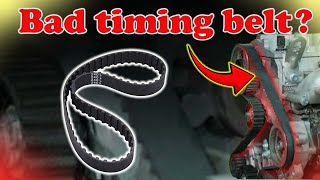
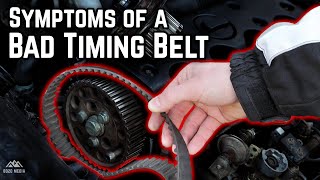
Symptoms of a Failing Timing Belt

A timing belt rarely fails without warning. Ignoring these signs can lead to a destroyed engine. Listen and watch for:
🎬 Watch this breakdown of the top four bad timing belt symptoms.- Ticking or Squealing Noises: A rhythmic ticking sound from the front of the engine can point to a worn belt. A high-pitched squeal or chirp often means a bearing in the tensioner or water pump is failing.
- Rough Running or Misfires: If the belt has stretched or jumped a tooth, the engine's timing will be off. This can cause rough idling, poor performance, and a check engine light.
- Engine Won't Start: If the belt breaks, the engine will stop running immediately and will not restart. Do not attempt to crank the engine, as this can cause more internal damage.
Interference Engine Warning
The Honda 3.5L V6 is an interference engine. A broken timing belt will cause the pistons and valves to collide, leading to bent valves, damaged pistons, and potentially a ruined engine. Proactive replacement based on Honda's recommended interval is not a suggestion—it's essential protection against catastrophic failure.
Choosing the Right Aftermarket Timing Belt Kit

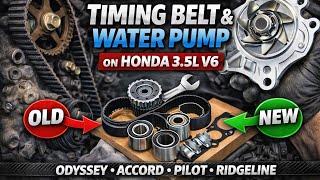
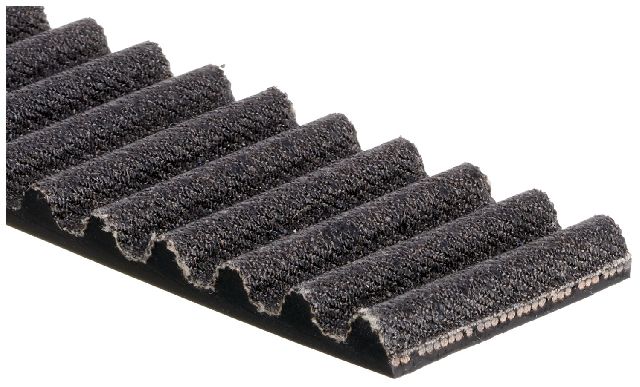
For this job, you should always buy a complete kit. A quality kit includes the timing belt, a new water pump with a gasket, the hydraulic tensioner, and the idler and tensioner pulleys. Replacing all components at once is the only way to ensure a safe and long-lasting repair. The labor is the most expensive part of the job, so doing it right once saves money.
Brand Quality Tiers
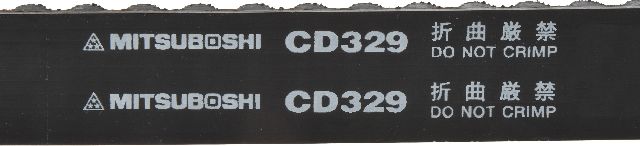
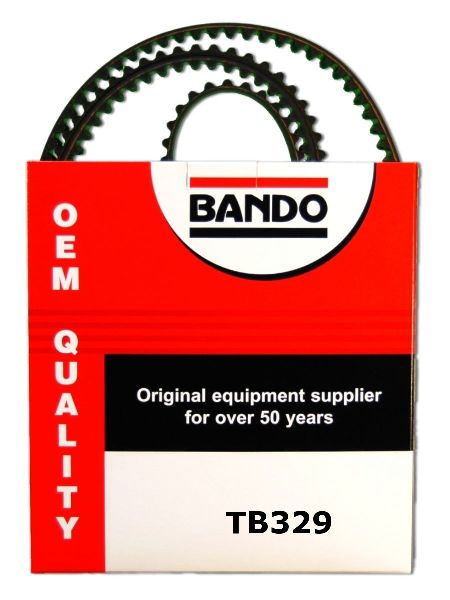
- Tier 1: OEM & OEM-Supplier Kits (Aisin, Mitsuboshi, Bando): Aisin is a highly-regarded brand that packages kits often containing the exact same parts Honda uses from the factory, such as a Mitsuboshi or Bando belt and Koyo pulleys. These kits provide the highest confidence and are preferred by many Honda specialists. Mitsuboshi and Bando are both known OEM suppliers for Honda belts.
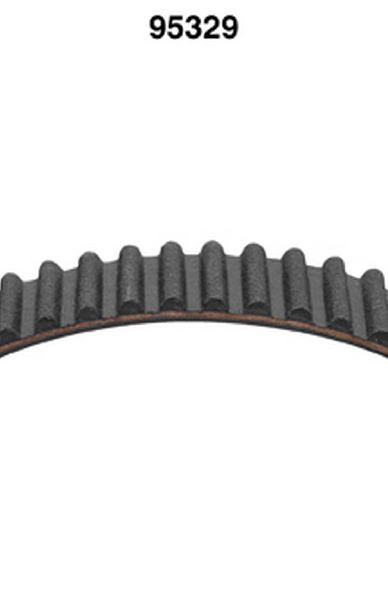
- Tier 2: Reputable Aftermarket Kits (Gates, Continental, Dayco, INA): These are well-known brands that produce reliable parts. A Gates or Continental kit is a solid choice and a definite upgrade over no-name brands. While generally good, some professional mechanics prefer Aisin for Honda V6 engines due to its consistent use of OEM components.
- Tier 3: Economy Brands: For a part this critical, it is strongly advised to avoid store brands or unknown online sellers. A failed tensioner or pulley from a low-quality kit can destroy your engine just as quickly as a snapped belt. The small savings are not worth the immense risk.
Pro Tip: Always Use a Full Kit
The most common failure point in this system is actually the hydraulic tensioner, not the belt itself. 🎬 Hear what a failing hydraulic tensioner sounds like in this video. A failing tensioner will cause the new belt to slap around, leading to premature failure. Always insist on a complete kit that replaces the belt, tensioner, water pump, and pulleys.
Replacement Cost

The cost to replace a timing belt on the Crosstour V6 is mostly labor. The job requires significant disassembly of the engine's front end. Expect a professional mechanic to charge for 4-6 hours of work.
| Part/Service | Estimated Cost |
|---|---|
| New Aftermarket Kit | $26.51 - $195.26 |
| New OEM Kit | $517 - $838 |
| Shop Labor | $378 - $555 |
| Total Professional Job | $896 - $1,393 |
Frequently Asked Questions (FAQ)
When should I replace my Crosstour's timing belt?
Honda's Maintenance Minder system will show a code "4" when service is due. This typically happens around every 100,000 to 105,000 miles or every 7 years, whichever comes first. Because these vehicles are now over a decade old, the 7-year time interval is often the most important factor to consider.
Why must I replace the water pump with the timing belt?
The water pump is driven by the timing belt, and accessing it requires the exact same labor-intensive disassembly. The pump's internal bearing wears out on a similar schedule as the belt and pulleys. Replacing it during the timing belt job is preventative maintenance that saves you from paying for the same expensive labor charge a second time when the old pump eventually fails.
Can I replace the timing belt myself?
This is an advanced and high-stakes repair. It requires special tools like a crankshaft pulley holder and a precise understanding of setting and maintaining engine timing. A mistake, such as being off by a single tooth, can cause poor performance or catastrophic engine damage. For most owners, this job is best left to a professional mechanic with experience on Honda V6 engines.
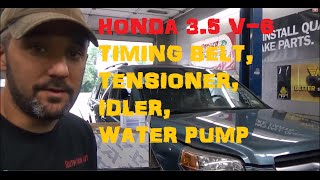
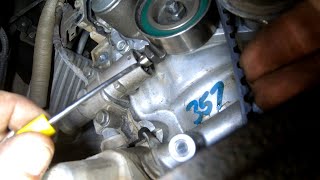
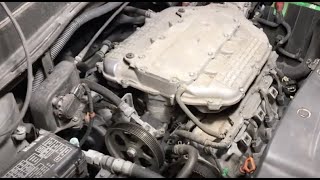
🎬 See a full walkthrough of the timing belt and water pump replacement.Are there any recalls for the 2012-2015 Crosstour timing belt?
No. There have been no recalls or major Technical Service Bulletins (TSBs) issued for timing belt failures on the 2012-2015 Honda Crosstour V6. Any recalls you may find for this vehicle are typically related to airbags.
Helpful Videos

Technical Specifications
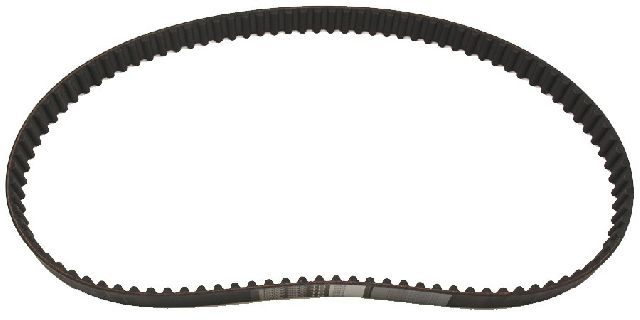
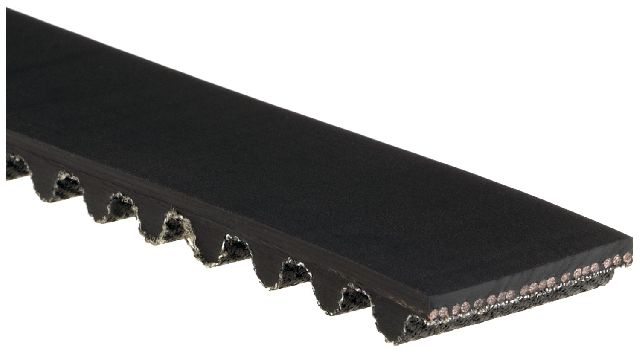
OEM Part Numbers: 14400-RCA-A01
Engine Application: 3.5L J35Z2 (2012), 3.5L J35Y1 (2013-2015) V6
We Have This Part in Stock

The information in this article is provided for general reference and educational purposes only. Vehicle specifications, procedures, and part compatibility can vary by production date, trim level, and region. Always consult your vehicle's factory service manual and verify part numbers before purchasing or performing repairs. Safety-critical components such as airbags, seat belts, and braking systems should be installed by a qualified professional.
- Honda Crosstour: