

Hyundai Veloster Camshaft Position Sensor Guide for 2012-2015 Models
Is your Veloster running rough, stalling, or showing a check engine light? A bad camshaft position sensor could be the problem.
- A failing camshaft sensor in a Veloster causes stalling, hard starts, and a Check Engine Light (P0340).
- This is an easy, beginner-friendly DIY repair that takes less than 30 minutes.
- An affordable aftermarket sensor is a practical choice, saving significant money over an OEM part.
- Your Veloster has two sensors (intake and exhaust); consider replacing them as a pair.
Is Your Veloster's Camshaft Position Sensor Failing?

When a camshaft position sensor starts to go bad, it can't send a clear signal to your car's computer. This can cause a variety of noticeable engine problems. Because this sensor is critical for engine timing, ignoring the symptoms can lead to stalling or leave you stranded.
Symptoms of a Bad Sensor
Look out for these common signs of failure. You might notice one or several at the same time.
- Check Engine Light: This is often the first warning. A code reader will likely show a P0340 error code. 🎬 See this quick breakdown of common causes for the P0340 code.
- Trouble Starting: Your Veloster may take longer than usual to start, or it might just crank without ever turning over.
- Stalling and Rough Idle: The engine might stall unexpectedly, either while driving or when stopped at a light. A shaky, unstable idle is also common.
- Loss of Power: The car may feel sluggish and hesitate when you press the gas pedal, especially when trying to accelerate quickly.
- Worse Gas Mileage: When engine timing is off, the engine burns more fuel than it needs to, hurting your fuel economy.
No Specific Recalls, But Check for Others
While there are no recalls specifically for the camshaft position sensor on the 2012-2015 Veloster, several other important safety recalls exist for these model years, including for the ABS module and potential engine bearing wear. It's wise to check if your vehicle has any open recalls by entering your VIN on the NHTSA website.
Choosing a New Aftermarket Sensor

When replacing this sensor, you have two main choices: a new aftermarket part or an Original Equipment (OEM) part from a Hyundai dealer.
- OEM: This is the exact same part your car was built with. It guarantees perfect fit and function but comes at a much higher price.
- New Aftermarket: Aftermarket sensors are made by third-party companies to meet or exceed original specifications. For a part like this that is easy to access and replace, a standard aftermarket sensor offers a great balance of value and reliability. It can save you a significant amount of money.
Pro Tip: Many mechanics agree that while OEM is always a safe choice for critical electronics, a quality aftermarket sensor from a reputable seller is a perfectly good option for a straightforward replacement like this one.
Cost to Replace a Veloster Camshaft Position Sensor
The total cost depends on whether you do the job yourself or hire a mechanic. Since the replacement is very simple, it's a great DIY project for beginners.
| Part Type | Estimated Cost |
|---|---|
| New Aftermarket Sensor | $20 - $75 |
| New OEM Sensor | $70 - $175 |
| Shop Labor | $50 - $75 |
| Total DIY Cost (Aftermarket) | $20 - $75 |
| Total Shop Cost (Aftermarket) | $70 - $150 |
Cost estimates are based on national averages and may vary by location and supplier.
Frequently Asked Questions

Where are the camshaft position sensors located on a 2012-2015 Veloster?
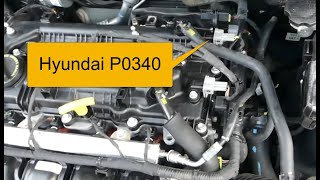
The two sensors are on the top right (passenger side) of the engine cover. The intake sensor is near the front of the engine, and the exhaust sensor is toward the back, closer to the windshield.
Is this a difficult repair to do myself?
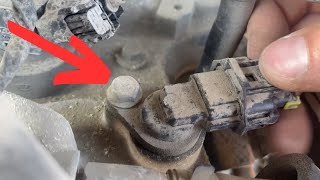
No, this is a very easy repair. It only requires basic hand tools. You simply disconnect the electrical plug and remove one bolt to swap out the old sensor. Most beginners can do it in under 30 minutes.
🎬 Watch this step-by-step guide to locate and replace both sensors.Should I replace both sensors at the same time?
It's not required, but it can be a good idea. Both sensors have been exposed to the same heat and age, so if one has failed, the other may not be far behind. Since they are inexpensive and located next to each other, replacing them in pairs can save you from having to do the job again soon.
What if I replace the sensor and the P0340 code comes back?
If a new sensor doesn't fix the problem, the issue may be in the wiring or connector leading to the sensor. In some rare cases on the Veloster, a persistent P0340 code can be a sign of a more serious issue, like a stretched timing chain, which prevents the sensor from getting a correct reading. If the problem continues, it's best to have a professional mechanic diagnose the electrical circuit and engine timing.
🎬 Watch a detailed diagnostic walkthrough for persistent camshaft circuit codes.Helpful Videos
Technical Specifications
OEM Part Numbers: 39350-2B000 39350-2B030
This is a 3-pin hall effect sensor. The 2012-2015 Hyundai Veloster 1.6L engine uses two of these sensors, one for the intake camshaft and one for the exhaust camshaft.

The information in this article is provided for general reference and educational purposes only. Vehicle specifications, procedures, and part compatibility can vary by production date, trim level, and region. Always consult your vehicle's factory service manual and verify part numbers before purchasing or performing repairs. Safety-critical components such as airbags, seat belts, and braking systems should be installed by a qualified professional.
- Hyundai Veloster: