

Guide to the High Pressure Fuel Pump for the 2012-2016 Audi Q7 3.0T
Learn the symptoms of a failing high pressure fuel pump in your Q7 and how to choose the right aftermarket replacement.
- A failing HPFP on a 2012-2016 Audi Q7 will cause a check engine light (P0087), power loss, hesitation, and potential stalling.
- Before replacing the HPFP, rule out other issues like the in-tank fuel pump or issues mentioned in TSB 2043758.
- Hitachi is an OEM supplier for this part; choosing their aftermarket version can provide dealer quality at a lower cost.
- Due to the risk of stalling, it is not safe to drive your Q7 if you suspect the HPFP is failing.
Symptoms of a Failing High Pressure Fuel Pump

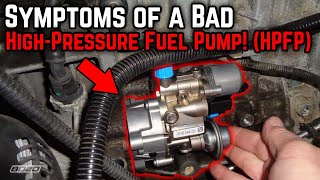
A failing HPFP will starve your engine of the fuel it needs, especially under load. You will likely notice performance problems that get worse over time. Ignoring these signs can lead to stalling, which is a major safety risk.
- Check Engine Light: The most common sign is a check engine light with codes related to low fuel rail pressure, like P0087.
- Loss of Power: Your Q7 may feel sluggish, especially when accelerating, merging, or going uphill.
- Engine Hesitation or Stuttering: The engine may hesitate or sputter when you press the gas, particularly between 2,000 and 4,000 RPM.
- Hard Starting: The engine may take longer than usual to start, or it might crank without starting at all.
- Engine Stalling: In serious cases, the engine can stall while idling or even while driving.
- Rough Idle: The engine may idle poorly or the RPMs might bounce.
Known Issues, Recalls, and Service Bulletins

It's important to properly diagnose the issue before replacing the HPFP. Sometimes, a low-pressure code can be caused by other problems.
- Recall 16V660000 (20W9): This safety recall was for certain 2007-2012 Audi Q7 models with gasoline engines. It addressed a fuel pump flange that could crack and leak fuel, increasing fire risk. This is part of the low-pressure system in the tank, not the engine-mounted HPFP, but it's an important fuel system issue to be aware of.
- TSB 2043758: Audi issued a technical service bulletin for some 2012-2016 models with the 3.0L engine that could set a P310B low-pressure code. This issue was sometimes caused by fuel vapors forming in the system in high ambient temperatures, not necessarily a failed HPFP.
Always have a qualified mechanic confirm that the HPFP is the true cause of the problem. A failure in the low-pressure in-tank pump can produce similar symptoms.
Choosing the Right Aftermarket HPFP Brand

When replacing the HPFP, you have a choice between OEM and aftermarket parts. For the Audi Q7, some aftermarket brands are also the original equipment manufacturer, offering a great balance of quality and value.
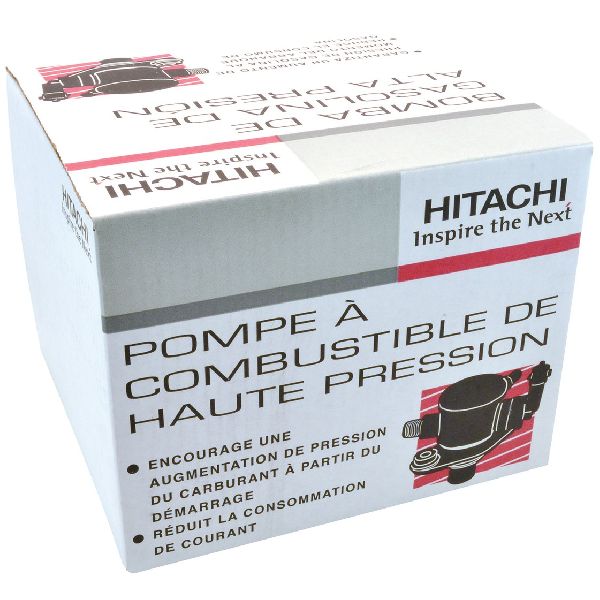
Pro Tip: Hitachi is a known Tier 1 OE supplier for Audi high pressure fuel pumps. Choosing an OEM-supplier brand like Hitachi often gets you the same quality as the dealer part without the high price tag.
- Tier 1 (OEM Supplier): Brands like Hitachi are often the original manufacturer for Audi. A Hitachi pump is expected to provide the same performance and lifespan as the original part that came on your Q7. Delphi is another major OEM supplier, though their direct connection to this specific part is less documented.
- Tier 2 (Reputable Aftermarket): Brands like Hella and Standard Ignition are well-known in the aftermarket. They produce quality components designed to meet or exceed original specifications. These can be a reliable, cost-effective alternative to the OEM part.
| Part Type | Estimated Cost (Part Only) |
|---|---|
| New OEM (Dealer) | $640 - $1100+ |
| New Aftermarket (OEM Supplier) | $450 - $600 |
| New Aftermarket (Value) | $408 - $500 |
| Remanufactured | $300 - $500 |
| Shop Labor | $480 - $580 |
Frequently Asked Questions

Is it safe to drive with a failing HPFP?
It is not recommended. A failing HPFP can cause the engine to stall unexpectedly, which is a serious safety hazard, especially at high speeds or in traffic. You should have the vehicle inspected and repaired as soon as possible.
What is the difference between the HPFP and the in-tank fuel pump?
Your Q7 has two fuel pumps. The low-pressure pump (or lift pump) is inside the fuel tank and sends fuel to the engine at about 40-75 PSI. The high pressure fuel pump (HPFP) is mounted on the engine and boosts that pressure to over 2,000 PSI for the direct injectors. A failure in either pump can prevent the car from running properly.
Should I replace the cam follower with the HPFP?
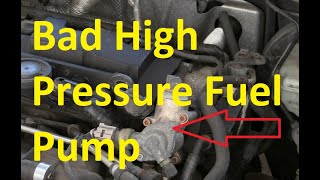
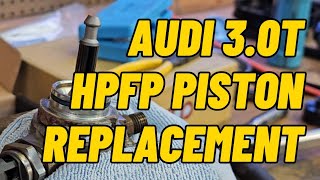
The 3.0T engine in this Q7 uses a roller-style cam follower, which is much more durable than the flat tappet follower on older 2.0T engines that was prone to failure. While it is not a common failure point on the 3.0T, it is good practice to inspect the roller follower for wear 🎬 Learn how to perform a DIY piston and follower inspection. whenever the HPFP is removed.
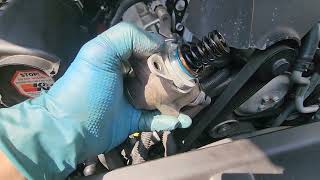
Can I replace the Audi Q7 HPFP myself? 🎬 See the step-by-step procedure for replacing the HPFP.
This is a moderately difficult job for an experienced DIY mechanic. It requires releasing high-pressure fuel lines safely, working in a tight space, and using a special 12-point socket for the pump bolts. If you are not comfortable with these steps, it is best to have a professional mechanic perform the replacement.
Helpful Videos
Technical Specifications
OEM Part Numbers: 07L127026AK 07L127026AL
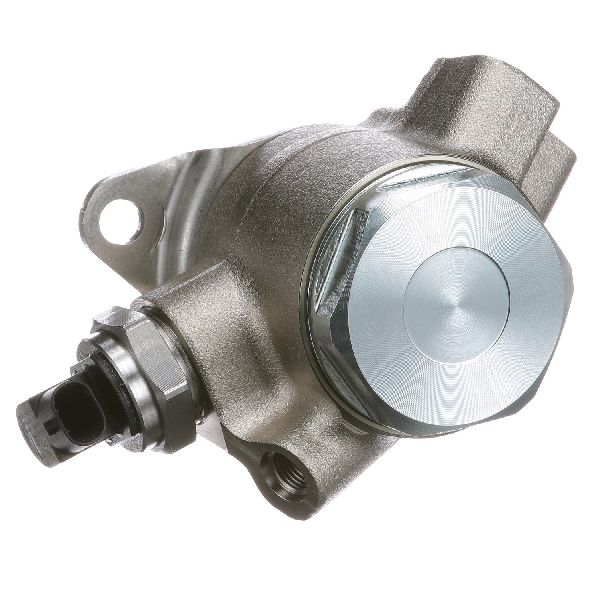
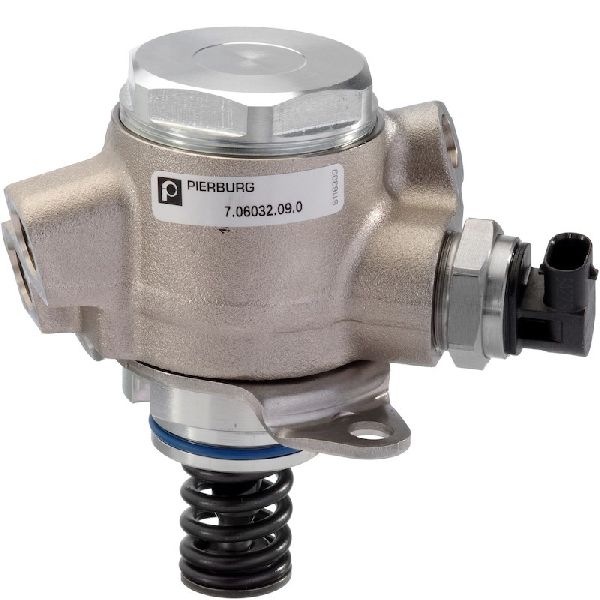
Engine-mounted, camshaft-driven mechanical pump for gasoline direct injection (GDI) systems.
We Have This Part in Stock


The information in this article is provided for general reference and educational purposes only. Vehicle specifications, procedures, and part compatibility can vary by production date, trim level, and region. Always consult your vehicle's factory service manual and verify part numbers before purchasing or performing repairs. Safety-critical components such as airbags, seat belts, and braking systems should be installed by a qualified professional.
- Audi Q7: