

BMW 328i (2012-2016) Serpentine Belt: A Complete Replacement Guide
Don't let a worn serpentine belt leave you stranded; learn the signs of failure and how to choose the right aftermarket part for your F30.
- Check for oil leaks from the oil filter housing; this is the #1 cause of premature belt failure and can lead to severe engine damage if the belt is ingested.
- Replace the serpentine belt as preventative maintenance every 60,000-80,000 miles to avoid being stranded.
- Always replace the belt tensioner at the same time as the belt, as they wear out together.
- Aftermarket brands like Continental and Gates offer OEM quality without the dealership price tag.
Is Your Serpentine Belt Failing?
A failing serpentine belt gives clear warning signs. Being able to spot them can save you from a breakdown and potentially severe engine damage. Pay attention to these symptoms.
Symptoms of a Bad Serpentine Belt
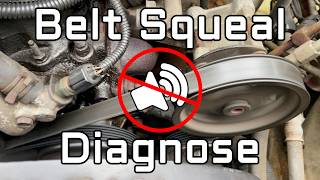
- Squealing or Chirping Noises: This is the most common symptom. A high-pitched squeal or chirp from the engine bay, especially on cold starts or when the A/C is on, means the belt is likely old, dry, and slipping. 🎬 Watch: How to easily diagnose a squeaky belt
- Visible Wear and Tear: Pop the hood and look at the belt. If you see cracks, frayed edges, missing chunks of the ribbed section, or a glazed, shiny appearance, it's time for a replacement.
- Battery Warning Light: The serpentine belt spins the alternator to charge your battery. If the belt slips or breaks, the alternator stops working, and a battery warning light will appear on your dashboard. You may also notice your headlights dimming.
- Slapping or Ticking Sounds: A rhythmic slapping or ticking noise can point to a failing belt tensioner, which is not keeping proper pressure on the belt. It is highly recommended to replace the tensioner with the belt.
CRITICAL WARNING: Oil Leaks and Belt Failure
The most common cause of premature serpentine belt failure on the N20/N26 engine is an oil leak from the oil filter housing gasket (OFHG). Oil drips onto the belt, causing the rubber to swell, soften, and shred. When the belt fails, it can get sucked past the front crankshaft seal and into the engine. This can clog the oil pickup tube, jump timing, and lead to catastrophic engine failure. If you are replacing your belt, first inspect the area around the oil filter housing for any signs of oil leaks and address that problem first.
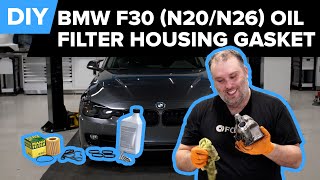
🎬 See this step-by-step oil filter housing gasket repair guideChoosing the Right Aftermarket Serpentine Belt
You don't need to buy a dealer-branded part to get top quality. Several aftermarket brands manufacture the original parts for BMW.
- Top Tier (OEM Supplier): Continental is a well-known original equipment manufacturer for BMW belts. Choosing a Continental belt is essentially getting the same quality as the part from the dealership, often for less money. Gates is the OEM for the tensioner assembly and also produces excellent quality belts.
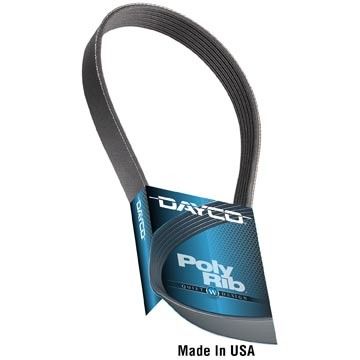
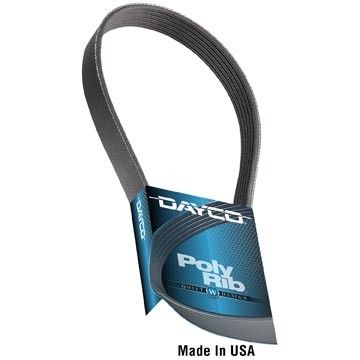
- Quality Alternative: Dayco is another major manufacturer that produces reliable serpentine belts. They are a solid choice and meet all performance requirements for your 328i.
Pro Tip: Always replace the belt tensioner and any idler pulleys at the same time as the belt. These components wear together. Installing a new belt with an old, weak tensioner can lead to noise and premature failure of the new belt.
How Often Should You Replace the Serpentine Belt?
The recommended replacement interval is typically between 60,000 and 100,000 miles. For the N20 engine specifically, an 80,000-mile interval for both the belt and tensioner is a safe and common practice for preventative maintenance. However, if your car has an oil leak contaminating the belt, it should be replaced immediately, regardless of mileage.
Frequently Asked Questions (FAQ)
What happens if my serpentine belt breaks while driving?
If the belt breaks, the alternator will immediately stop charging the battery. You will see a battery warning light, and the car will run only on battery power for a very short time before it shuts down, leaving you stranded. Your A/C will also stop working.
Is it hard to replace the serpentine belt on a 2012-2016 328i?
No, this is considered a relatively easy DIY job for someone with basic tools. The belt and tensioner are easily accessible at the front of the engine after removing the air intake box. The job typically takes about an hour.
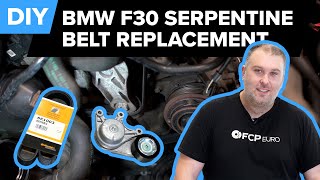
🎬 Watch: Complete serpentine belt and tensioner replacement walkthroughDo I really need to replace the tensioner with the belt?
Yes, it is strongly recommended. The tensioner's internal spring and its pulley bearing wear out at a similar rate to the belt. Putting a new belt on a worn tensioner can cause the new belt to fail quickly. Since you already have everything apart, replacing it at the same time is smart, cost-effective maintenance.
Are aftermarket belts as good as the original BMW part?
Yes. Brands like Continental and Gates are OEM suppliers, meaning they make the original parts for BMW. An aftermarket belt from one of these brands provides the same performance and longevity as a part you would buy from a BMW dealer, but usually at a better price.
Helpful Videos

Technical Specifications
OEM Part Numbers: 11-28-7-618-848 11287618848
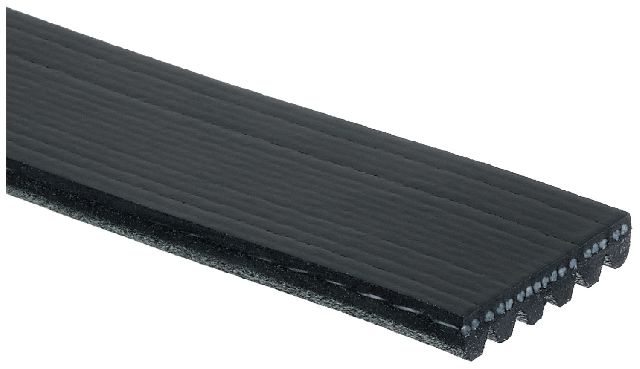
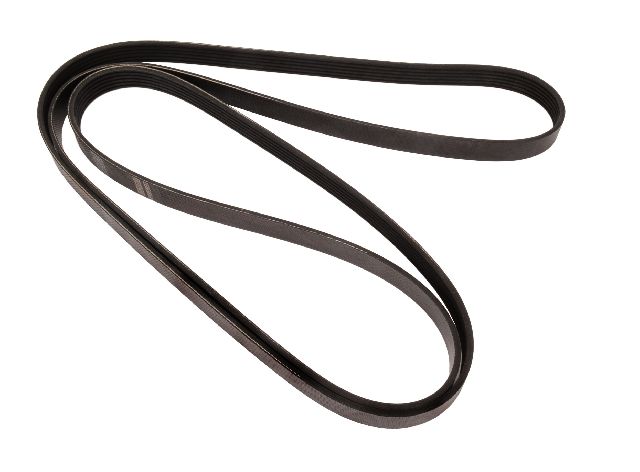
The N20/N26 engine uses a single Poly-V, or multi-rib, serpentine belt. The system consists of the crankshaft pulley, alternator pulley, A/C compressor pulley, and a single belt tensioner assembly.
We Have This Part in Stock

The information in this article is provided for general reference and educational purposes only. Vehicle specifications, procedures, and part compatibility can vary by production date, trim level, and region. Always consult your vehicle's factory service manual and verify part numbers before purchasing or performing repairs. Safety-critical components such as airbags, seat belts, and braking systems should be installed by a qualified professional.
- BMW 328i: