

A Guide to the Engine Coolant Reservoir for the 2012-2016 BMW 528i
Understand the common failure points of the F10 528i coolant expansion tank and how to choose the right replacement part.
- Failure is inevitable due to heat and age causing the plastic to become brittle.
- A false 'Low Coolant' warning is often caused by a stuck internal float, not the sensor.
- Choose an OEM-quality brand like Mahle or Nissens for better reliability.
- Properly bleeding the air from the system after replacement is critical to prevent overheating.
Why BMW Coolant Reservoirs Fail
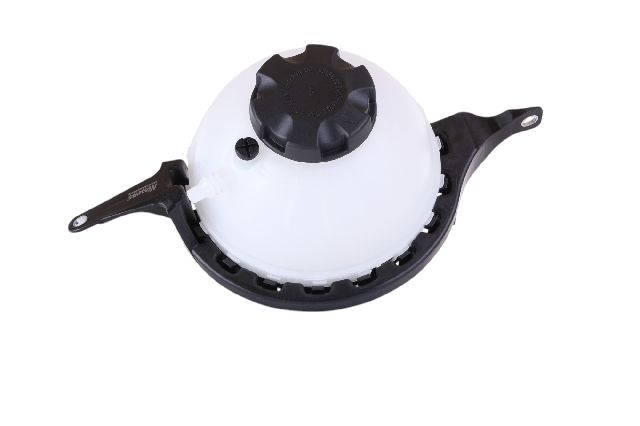
If you own a 2012-2016 BMW 528i, it's not a matter of if your coolant expansion tank will fail, but when. These tanks are made of plastic and are located in a very hot engine bay. Over many years and thousands of heat cycles, the plastic becomes brittle and weak. This eventually leads to hairline cracks, especially along the seams where the tank was molded together. When the cooling system is hot and pressurized, these small cracks can leak coolant.
Common Failure Points
- Hairline Cracks: The most common failure. Heat and age make the plastic brittle, causing tiny cracks that leak under pressure.
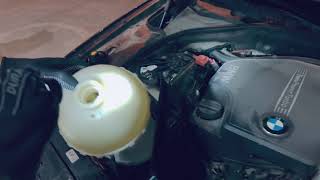
- Stuck Internal Float: The tank contains a float that measures the coolant level. Sometimes, this float can get stuck, causing a false "Low Coolant" warning on your dashboard even when the level is correct. 🎬 Watch: Troubleshooting a false low coolant warning on the F10.
- Leaking Seams: Many tanks are made in two halves that are glued or welded together. This seam is a common weak point that can separate and leak over time.
Choosing the Right Aftermarket Reservoir
When your original tank fails, you have a choice between a new OEM (Original Equipment Manufacturer) part and several aftermarket brands. For a critical component like this, quality matters.
OEM vs. Aftermarket Quality:
The original part on your 528i was likely made by Behr, which is now part of Mahle. Buying a Mahle-branded tank is often the same quality as the genuine BMW part, but without the dealership price tag. Some forum users report that even quality aftermarket brands like Mahle or Nissens may not last as long as the original German-made part, but they are a reliable choice for the price. Less expensive brands like URO Parts can be a gamble; some users have success, while others experience premature failure. For a part this critical to engine health, sticking with a known OEM-supplier brand is a smart move.
Brand Quality Tiers
- Tier 1 (OEM Quality): Mahle, Behr, Nissens. These brands are known for making original parts for BMW or having comparable quality.
- Tier 2 (Good Value): Vaico, URO Parts. Quality can be inconsistent. May be a good budget option, but inspect the part carefully before installation.
- Tier 3 (Economy): Skyward, Global Parts. Often the cheapest option, but with little information on long-term reliability.
Cost of Replacing the Coolant Reservoir
The cost to replace the coolant reservoir depends on whether you do it yourself or go to a repair shop. The part itself is relatively inexpensive, but labor costs can add up.
| Part/Service | Estimated Cost |
|---|---|
| New Aftermarket Reservoir | $61 - $106 |
| New OEM Reservoir | $85 - $332 |
| Shop Labor | $95 - $158 |
| Total Professional Replacement | $260 - $490 |
Frequently Asked Questions
Can I just replace the coolant level sensor?
Sometimes, but it's often not the solution. A common issue is a false low coolant warning, which is usually caused by a failing float inside the tank, not the sensor itself. Since new aftermarket reservoirs almost always include a new sensor and are not very expensive, it is highly recommended to replace the entire tank assembly.
Is this a difficult DIY job?
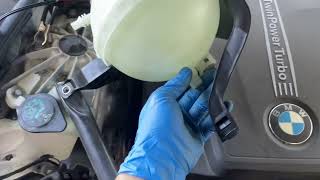
For a moderately experienced DIYer, this is a very manageable job. It typically takes about an hour. 🎬 See this step-by-step expansion tank replacement walkthrough. You will need basic hand tools like sockets and pliers. The main steps involve removing a few bolts and brackets, disconnecting two hoses and an electrical plug, swapping the tanks, and then refilling and bleeding the coolant system. It is very important to bleed the air out of the system properly after the replacement to avoid overheating.
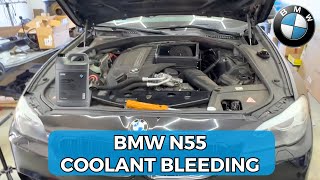
🎬 Watch: How to properly bleed the BMW electric water pump.What kind of coolant should I use for my 528i?
Always use a BMW-approved coolant, typically a blue-colored formula known as G48 or HT-12. Using the wrong type of coolant can damage the plastics and seals in the cooling system, leading to more problems. Always mix concentrated coolant with distilled water according to the instructions.
Are there any recalls for the coolant reservoir?
There are no specific recalls for the coolant reservoir itself on the 2012-2016 BMW 528i. However, there is a related recall (NHTSA 24V-608) for the electric water pump connector, which can be damaged by fluid drips and cause a fire risk. This highlights the importance of keeping the entire cooling system in good working order.
Helpful Videos
Technical Specifications
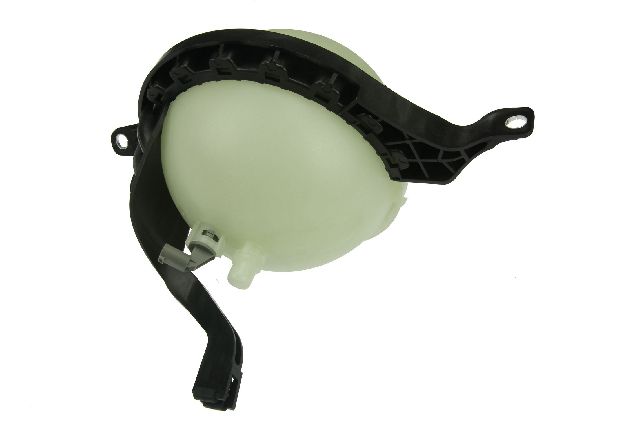
OEM Part Numbers: 17138614293 17137649733 17137619189
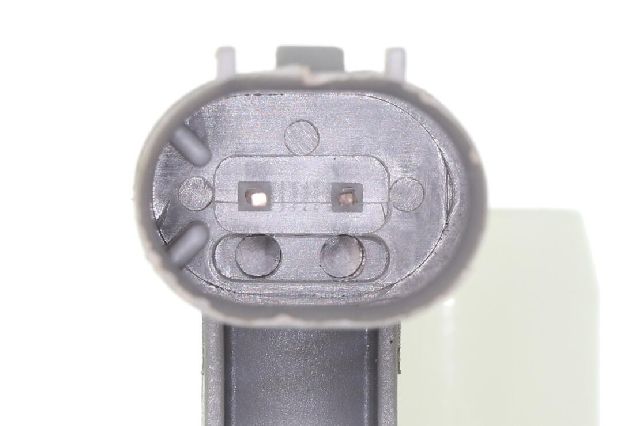
Includes integrated coolant level sensor and mounting bracket.
We Have This Part in Stock


The information in this article is provided for general reference and educational purposes only. Vehicle specifications, procedures, and part compatibility can vary by production date, trim level, and region. Always consult your vehicle's factory service manual and verify part numbers before purchasing or performing repairs. Safety-critical components such as airbags, seat belts, and braking systems should be installed by a qualified professional.
- BMW 528i: