

Engine Coolant Temperature Sensor Guide for 2012-2016 Chevrolet Express 2500
Keep your work van's engine running right by understanding, diagnosing, and replacing a faulty engine coolant temperature sensor.
- A bad ECT sensor commonly causes a Check Engine Light with codes like P0117, P0118, or P0128.
- Symptoms include poor fuel economy, black exhaust smoke, and an inaccurate temperature gauge.
- The sensor is on the driver's side cylinder head and is a simple DIY replacement on a cool engine.
- Choose high-quality aftermarket brands like Delphi, NGK, or Standard Motor Products for reliable performance without the OEM price.
Is your Express van acting up? It could be the coolant sensor.
If your Chevrolet Express 2500 is showing signs of engine trouble, a faulty Engine Coolant Temperature (ECT) sensor could be the culprit. This sensor is critical for engine performance, and when it fails, it can cause a range of problems from bad fuel mileage to serious overheating. Understanding the symptoms and knowing how to choose the right replacement part can save you time and money.
Common Symptoms of a Bad ECT Sensor
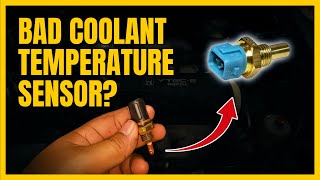
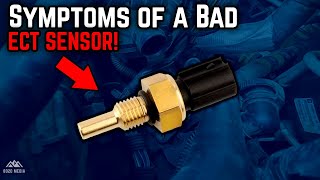
🎬 Watch this video to see common signs of sensor failure.- Check Engine Light: The most common sign is an illuminated Check Engine Light. Codes like P0117 (low input), P0118 (high input), or P0128 (thermostat rationality) often point to a bad sensor.
- Poor Fuel Economy: If the sensor incorrectly tells the computer the engine is cold, the computer will enrich the fuel mixture, wasting gas.
- Black Smoke from Exhaust: A very rich fuel mixture can result in unburnt fuel exiting through the exhaust, creating black smoke.
- Engine Overheating: If the sensor fails to report that the engine is hot, the cooling fans may not turn on when needed, leading to overheating.
- Inaccurate Temperature Gauge: The gauge on your dashboard may read unusually high, low, or not move at all.
- Rough Idling or Hard Starts: Incorrect fuel and timing adjustments from a bad sensor reading can cause the engine to run poorly.
Choosing the Right Aftermarket Sensor
You don't have to buy an expensive OEM part from the dealer. Many aftermarket brands offer quality replacements. Here’s how they generally stack up for your Express van:
- Tier 1: OEM-Equivalent Brands (Delphi, NGK/NTK, ACDelco): Delphi was often the original equipment manufacturer for many GM vehicles, making their parts a direct, reliable replacement. NGK (also sold as NTK) is another top-tier supplier known for quality sensors. ACDelco offers both "Genuine GM" parts and high-quality professional-grade aftermarket parts. These brands are your safest bet for fit and performance.
- Tier 2: Quality Aftermarket (Standard Motor Products, Walker Products, Holstein): Brands like Standard Motor Products (also Standard Ignition/Wires) and Walker Products have a long history of producing reliable aftermarket components. Holstein is a newer player but claims to use the same factories as original manufacturers and offers a good warranty. These are solid choices that balance cost and quality.
- Tier 3: Budget-Friendly (Four Seasons, URO Parts, Global Parts): These brands offer the most affordable options. While they can be a good value, some user reviews suggest potential fitment or longevity issues, particularly with brands like URO which are more focused on European vehicles. They are best for those on a tight budget who are willing to accept a potential trade-off in quality.
Pro Tip: Location and Installation
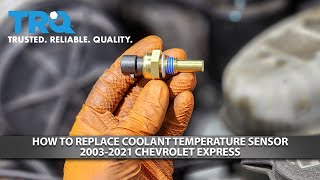
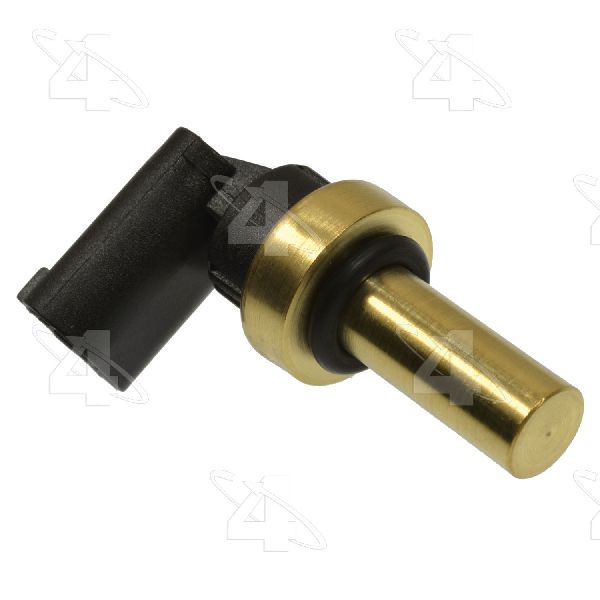
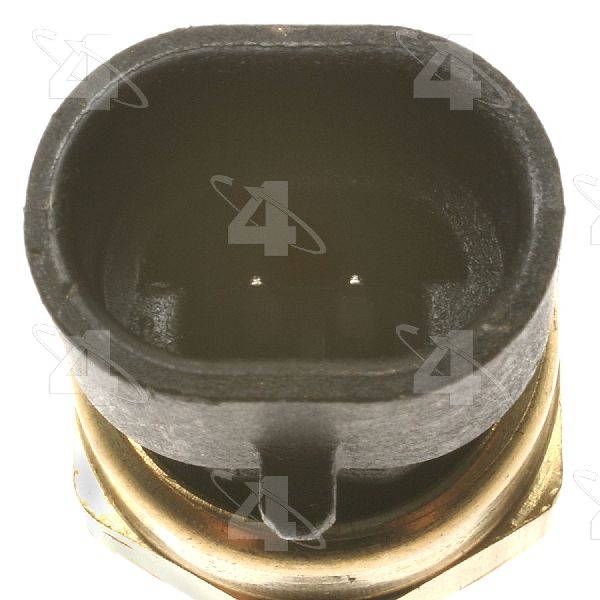
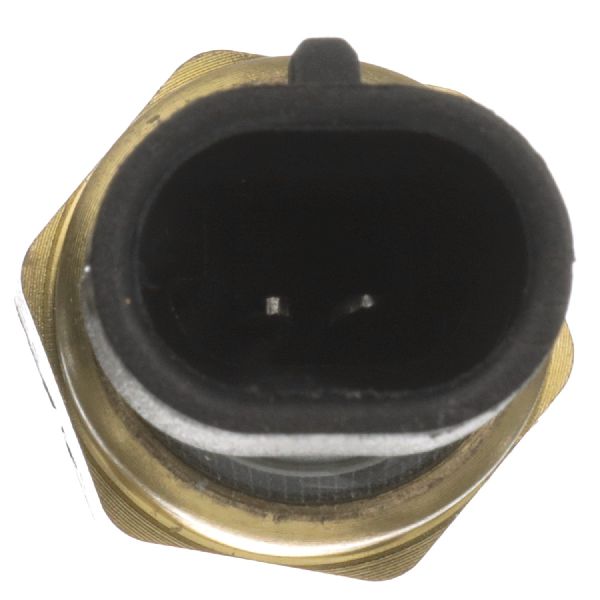
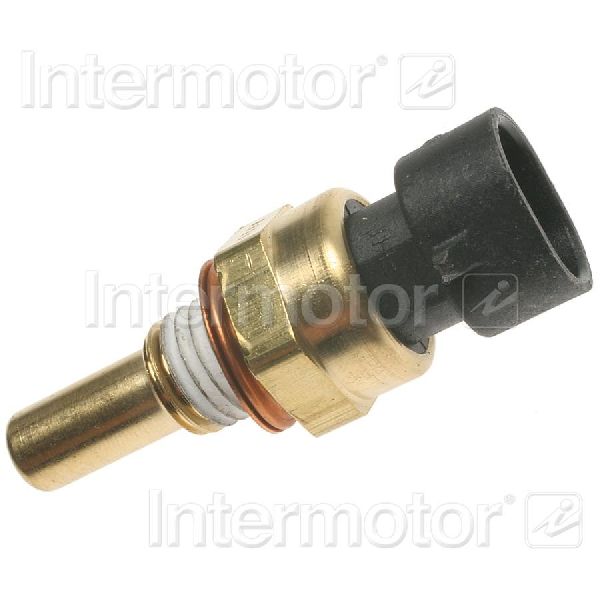
On the V8 engines used in the 2012-2016 Express 2500 (like the 4.8L and 6.0L), the ECT sensor is typically located on the driver's side cylinder head, toward the front of the engine. It's a small, two-wire sensor that screws into the head. Replacement is straightforward for a DIYer with basic tools. Let the engine cool completely, place a drain pan to catch a small amount of coolant, unplug the connector, unscrew the old sensor with a deep socket (usually 19mm), and quickly install the new one to minimize coolant loss. 🎬 Follow this step-by-step guide to replace your coolant sensor. Do not overtighten the new sensor.
| Part Type | Estimated Cost |
|---|---|
| New Aftermarket | $13.76 - $42.08 |
| New OEM (GM Genuine/ACDelco) | $25 - $50 |
| Shop Labor | $60 - $120 |
Frequently Asked Questions
Where is the ECT sensor on my Express 2500?
For the V8 gas engines (4.8L, 6.0L), the sensor is usually on the driver's side cylinder head, between the first and second spark plugs 🎬 See exactly where the sensor is located on your van. from the front. It will have a two-wire electrical connector. Access can be tight but is possible from the side wheel well or from inside the van with the engine cover removed.
Are there any recalls for this sensor?
There are no specific recalls on the NHTSA database for the engine coolant temperature sensor for the 2012-2016 Chevrolet Express 2500. However, a Technical Service Bulletin (TSB) for some other GM vehicles mentions DTC P111E, which can be related to the ECT sensor, and recommends a software update and checking the connector terminals.
Do I need to drain the coolant to replace it?
You do not need to fully drain the cooling system. A small amount of coolant will leak out when you remove the sensor. To minimize the mess, have the new sensor ready to screw in immediately after you remove the old one. Always make sure the engine is completely cool before starting this job.
Is an OEM sensor better than aftermarket for this part?
For a simple sensor like the ECT, a high-quality aftermarket part from a reputable brand like Delphi, NGK, or Standard Motor Products is often just as reliable as the OEM part and can save you money. Since Delphi is a frequent GM supplier, their aftermarket part is often identical to the original. Avoid unbranded, generic parts, as their accuracy and lifespan can be questionable.
Helpful Videos
Technical Specifications
OEM Part Numbers: 12608814 19236568 213-4514
Two-wire sensor, typically with a 19mm hex head, screws into the driver-side cylinder head.
We Have This Part in Stock



The information in this article is provided for general reference and educational purposes only. Vehicle specifications, procedures, and part compatibility can vary by production date, trim level, and region. Always consult your vehicle's factory service manual and verify part numbers before purchasing or performing repairs. Safety-critical components such as airbags, seat belts, and braking systems should be installed by a qualified professional.
- Chevrolet Express 2500: