

Chevrolet Express 3500 (2012-2016) Engine Oil Pressure Switch Replacement Guide
Understanding the common oil pressure gauge problems in your 2012-2016 Express van and how to fix them.
- A gauge reading 0 or max PSI is the #1 symptom; always check the oil level first to rule out a real pressure issue.
- Replacement is difficult due to the sensor's location behind the engine, making professional installation a wise choice for most owners.
- Always replace the small filter screen that sits under the sensor to prevent a repeat failure.
- Choosing a quality aftermarket brand like Standard Ignition or Walker Products is recommended to avoid repeating this difficult repair.
Is Your Oil Pressure Gauge Acting Up?
If you own a 2012-2016 Chevrolet Express 3500, you might see some strange behavior from your oil pressure gauge. A common failure point is the engine oil pressure switch. When it fails, it can cause a lot of worry, but the fix is straightforward if you have the right information.
Symptoms of a Failing Oil Pressure Switch
A bad oil pressure switch sends bad information. Before you panic and assume your engine is failing, check for these common symptoms. The issue is often the switch itself, not a lack of oil pressure.
- Gauge Reads Zero or Maxed Out: The most common sign is the oil pressure gauge reading 0 PSI or being stuck at its maximum reading (often 80 PSI), even when the engine is running fine.
- Fluctuating Gauge: The needle may bounce around wildly for no reason.
- Oil Warning Light: The red oil warning light on your dash may turn on, stay on, or flash, even if the oil level is correct.
- Check Engine Light: A failing sensor can trigger the check engine light. You may find diagnostic trouble codes like P0521, P0520, P0522, or P0523 stored in the computer.
First, Check Your Oil Level
Before buying any parts, do the simple check first. Park the van on level ground, turn off the engine, and wait a few minutes. Check the engine oil dipstick. If the oil level is full, the problem is very likely the oil pressure switch and not actual low oil pressure.
Choosing the Right Aftermarket Part
Because replacing this switch is labor-intensive, choosing a quality part is important to avoid doing the job twice. Here’s a look at the available aftermarket brands.
- Standard Ignition (SMP): Often considered a top-tier aftermarket brand, Standard manufactures many of its parts in North America and focuses on meeting or exceeding OE quality. They are a trusted choice for sensors and electronics. Some of their kits include the small filter screen that sits below the sensor, which is a critical part to replace at the same time.
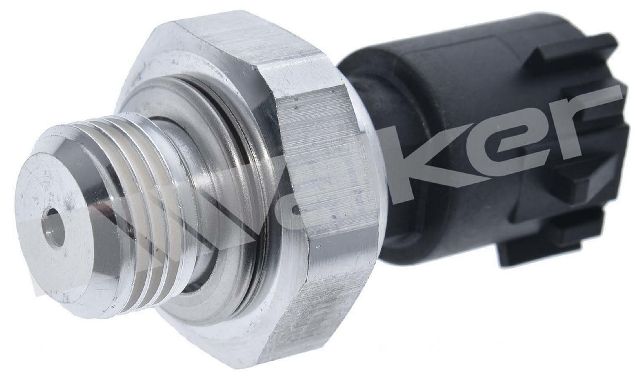
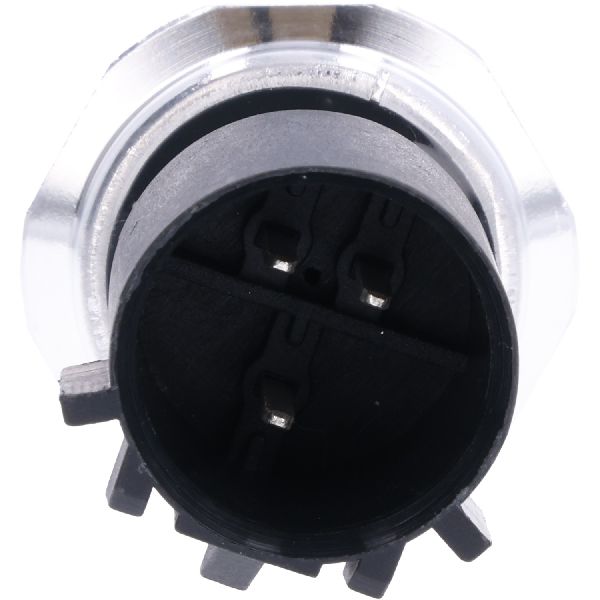
- Walker Products: A long-standing company since 1946, Walker is known for its engine management and fuel system components. They market their sensors as being engineered to match original equipment performance and durability.
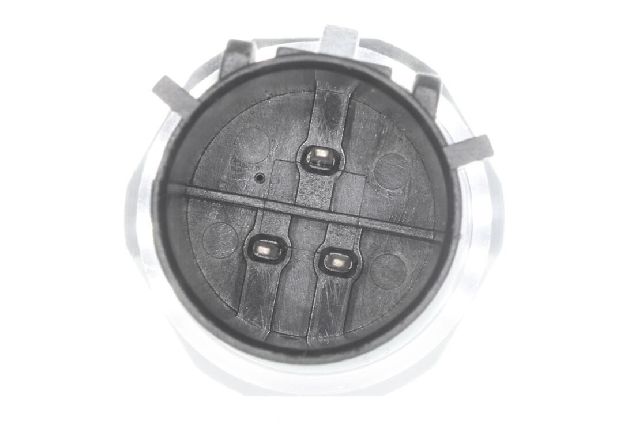
- Vemo: A German brand that is part of a larger auto parts group. While often associated with European vehicles, they offer a wide range of parts. Forum users have reported success with Vemo parts, which are often seen as a solid mid-range option.
- Global Parts: This brand appears to function more as a large-scale distributor of parts sourced from various manufacturers, positioning themselves as a cost-effective alternative to dealer parts.
For a part this difficult to access, spending a little more on a well-regarded brand like Standard Ignition or Walker Products is a smart investment. While an OEM AC Delco part is always a safe bet, these premium aftermarket brands offer comparable quality.
Replacement Cost
The oil pressure switch is located in a very tight spot at the back of the engine, against the firewall. This makes the labor a significant part of the total cost.
| Part/Service | Estimated Cost |
|---|---|
| New Aftermarket Switch | $59 - $82 |
| New OEM (AC Delco) Switch | $80 - $100 |
| Shop Labor | $154 - $225 |
| Total Professional Replacement | $213 - $307 |
Frequently Asked Questions (FAQ)
Can I replace the oil pressure switch myself?
This is a difficult DIY job due to the sensor's location behind the intake manifold. While it can be done without removing the manifold, it requires patience, long extensions, and a special oil pressure sensor socket. If you are not an experienced DIY mechanic, professional installation is recommended. The job is rated 2/5 in difficulty but that assumes familiarity with reaching the sensor.
Is there a filter I need to replace with the switch?
Yes. There is a small, thimble-shaped filter screen located in the engine block, directly underneath the oil pressure switch. This screen is known to get clogged with sludge and can cause the same symptoms as a bad sensor. It is critical to remove the old screen with a pick and install a new one when you replace the sensor.
Are there any recalls for this part?
No, there are no specific recalls from the NHTSA for the engine oil pressure switch on the 2012-2016 Chevrolet Express 3500.
What is trouble code P0521?
P0521 stands for "Engine Oil Pressure Sensor/Switch Range/Performance." It means the engine's computer has detected that the sensor's voltage is not where it should be for the current engine operating conditions. This is the most common code associated with a failing oil pressure switch on these vans.
Technical Specifications
OEM Part Numbers: 12673134 12621234
Requires a special 1-1/16 inch oil pressure switch socket for removal and installation. Torque specification for the new sensor is critical to avoid damage.
We Have This Part in Stock


The information in this article is provided for general reference and educational purposes only. Vehicle specifications, procedures, and part compatibility can vary by production date, trim level, and region. Always consult your vehicle's factory service manual and verify part numbers before purchasing or performing repairs. Safety-critical components such as airbags, seat belts, and braking systems should be installed by a qualified professional.
- Chevrolet Express 3500: